
San Antonio Business Brokers Who Sit With You Before They Sell For You.
You have built this through JBSA contracting cycles, USAA vendor renewals, and Toyota plant supplier expansions. You know which customer has been with you since the H-E-B Plaza opened in the headquarters district, and which Mexican-American family on the West Side asked your abuela to bless their first storefront. Selling your business is not a transaction question. It is a question about what happens to the people who trusted you, about the church and the school and the cuadrilla you have stood with for thirty years, and about whether the timing fits the rest of the story still ahead of you. Our San Antonio business brokers and M&A advisors sit with you in that decision before we run the process.
We love when you call, though we spend most of our time on the phone closing deals for owners like you. The form below is the fastest way to reach Derik Polay directly. He replies within one business day, usually much sooner.
🔒 Strictly confidential. Direct routing to a named CGK San Antonio principal, not a junior screener. We never share inquiries with anyone.
“Most of the San Antonio owners we sit with do not call us ready to sell. They call because something has shifted, and they want to think it through with someone who reads both the financials and the part of the decision that does not show up in a spreadsheet.
We start there.”
A note from Derik Polay · San Antonio Managing Director, CGK Business Sales

Questions San Antonio owners are asking themselves right now.
These are the questions that show up at four in the morning before any of it is shared. Our San Antonio business brokers have heard each of them across years of Texas engagements.
How San Antonio business brokers at CGK actually run a sell-side engagement.
Our San Antonio business brokers run engagements in four chronological phases: the conversations before the engagement, the engagement and preparation work, the market and buyer process, and the post-LOI work that gets the deal to wire. Here is what each phase looks like from the seller’s seat.
Phase 1: Pre-engagement conversations.
Most of our best San Antonio engagements start months or years before a sale. The first conversation is free, the free verbal valuation walkthrough is free, and the goal of both is to give you an honest read on whether and when going to market makes sense for your business. Derik Polay leads SA engagements with Greg Knox, CFA backing the analytical work. If we tell you to wait six or twelve months because the buyer pool for your industry is in a slow stretch, we mean it.
Phase 2: Engagement and preparation.
Once you sign a two-page engagement letter, the next twelve to sixteen weeks go into the prep work that lifts the final price. Financial recasting, document cleanup, the management-team and key-employee questions a sophisticated buyer will ask, the Confidential Information Memorandum built around your specific business. The CIM is written for the people on the buyer’s deal team who will actually price the business: payer-mix detail for a Stone Oak medical group, named-customer concentration for a Fort Sam Houston cleared-services firm, technician-level utilization for a Boerne mechanical contractor.
Phase 3: Market and buyer process.
The market process is a multi-buyer competitive process run under absolute confidentiality. A blind teaser goes out that does not name the company. Every serious buyer signs an NDA before the CIM is released. Diligence opens in tiers across the cycle. Summary financials and the buyer thesis go out at NDA. Detailed financials and customer concentration figures (without naming the customers) follow after Letter of Intent. The most sensitive material, named customer rosters and key-employee identities, is held back until two or three turns into the purchase agreement. Employees, customers, suppliers, and competitors learn what is happening when you decide.
Phase 4: Post-LOI work to wire.
The other half of CGK’s nine-of-ten close rate is what happens after the LOI is signed. We hold the buyer to the LOI terms instead of the looser purchase-agreement first draft. We size the escrow to the actual risk in your San Antonio business rather than the buyer’s standard template number. We manage the buyer’s review work so the buyer’s team stays out of your daily operations. The months between LOI and wire are where most other brokerages quietly let the deal slip. We do not.
Start with a free San Antonio business valuation conversation.
A free verbal valuation walkthrough with our San Antonio business brokers happens in three steps. Each step is something you experience with us. Here is what the process actually looks like, in order.
Step 1: A working session with the senior principal.
You schedule a working session with Derik Polay or another senior CGK principal, in person at your business or by Zoom. The session lasts roughly an hour. We walk through your business, the trailing twelve months of financials, the management team, the customer or referral picture, and any specific events (a new contract, a one-time expense, a personnel change) that shape the number. The goal of the session is for the principal to understand your business well enough to price it accurately.
Step 2: We open the valuation model and show you the math.
The principal opens our valuation model calibrated to your specific San Antonio business. You see the methodology, the comparable transactions we pulled, the multiples buyers in your industry are paying, and the math behind the number. This is not a one-page printout. It is the actual analysis. You see where the levers are that could lift the number before you go to market.
Step 3: You leave with a verbal range and a clear next-step picture.
You leave the session with a verbal price range, a short list of moves that could lift the number, and a clear picture of whether and when to go to market. No retainer, no obligation, no sales pitch. The free verbal walkthrough is open to any San Antonio owner seriously thinking about a sale on any horizon: a year, five years, longer. If you need a written valuation memo for a CPA, attorney, lender, or court, that is a separate fixed-fee engagement scoped per project. Greg Knox, CFA backs every San Antonio valuation, and the CFA charter is the institutional standard credential for valuation work that holds up to scrutiny.
Start with a confidential conversation.
A senior CGK San Antonio principal will respond within one business day to schedule a free verbal valuation, in person, or by Zoom. For SA owners with $1.5M+ in annual revenue. Strictly confidential. No commitment.
Confidential. No obligation. Direct routing to a named CGK San Antonio business broker, not a junior screener.
Buy a Texas business with CGK San Antonio business brokers.
Owners and operators thinking about buying a business in San Antonio ask our San Antonio business brokers the same handful of questions about how a CGK buy-side engagement actually works. Here are the answers.
“Who actually works on my buy-side engagement?”
Derik Polay leads San Antonio buyer engagements. Greg Knox, CFA backs the analytical work on the larger M&A buy-side engagements. The same principal is with you from the first conversation through close, including the target search, the introductions, the financial review, the negotiation, and the wire. No junior screener inserted into the handoff. CGK runs eleven offices and a shared deal pipeline, so a San Antonio buyer also has visibility into the deal book in Austin, Baltimore, Colorado Springs, Dallas, Denver, Houston, Louisville, Nashville, Phoenix, and Washington DC.
“What does the engagement actually cover?”
Target search built around your investment thesis. Target sourcing through our cross-office pipeline plus direct outreach across Texas and the rest of CGK’s national footprint. Financial review of each candidate. Lender introductions for SBA or conventional debt. Deal structuring. LOI negotiation. The months of post-LOI review work. The closing. The same principal coordinates with the seller’s representation, the buyer’s lender, the buyer’s counsel, the buyer’s accountant, and any other parties at the table.
“How are you paid?”
Buy-side at CGK uses a transaction-fee structure scaled to deal size. Sellers pay a separate sell-side success fee. The fee structures are distinct and disclosed in writing before any engagement starts.
“What is the Micro Private Equity Program?”
For high-net-worth individuals buying their first operating business, CGK offers the ‘Micro Private Equity Program’ as an alternative to the standard transaction fee. CGK trades the transaction fee for a small equity stake in the platform. More cash stays in the deal at closing, CGK keeps real skin in the game alongside the new operator, and we keep working together to source add-on acquisitions over time. The ‘Micro Private Equity Program’ is available only to first-time HNW buyers stepping into ownership. Search funders, independent sponsors, family offices, strategic acquirers, and PE platforms use the standard transaction-fee structure.
“Why do you never represent both sides of a deal?”
Buy-side and sell-side at CGK are distinct engagements with distinct fee structures. Sellers get full sell-side representation. Buyers get full buy-side representation. The firewall is absolute on any individual transaction. Submit the buyer-qualification form below. CGK keeps a curated buyer list and reaches out when an active engagement aligns with your stated criteria, capital, and timeline.
Submit your buyer profile.
Submit the form below for a senior CGK San Antonio principal to review. CGK keeps a curated buyer list and reaches out when an active engagement aligns with your stated criteria, capital, and timeline.
Confidential. Your profile is added to CGK’s curated buyer list. We reach out when an active Texas engagement aligns.
From first SA conversation to wire transfer.
Most engagements our San Antonio business brokers carry run six to twelve months from signed engagement to wire transfer. Some clear in three to six. Healthcare-services groups with clean payer-mix data, defense-services platforms with current contract files, and home-services groups tend to land at the faster end of the window. Cleared-workforce IT firms, hospital-privileged specialty practices, and Toyota-supplier manufacturing engagements tend to run longer because of clearance assignment timing, hospital privilege transfers, and OEM supplier-qualification re-papering. Here is what a typical seller journey looks like, stop by stop.
Confidential conversation
You call us or submit the form. We listen. No pressure, no commitment. Our San Antonio business brokers tell you whether and when CGK is the right fit.
Free verbal valuation
Derik, with Greg backing the analytics, in person or by Zoom, walks you through our valuation model and the price range your San Antonio business is likely to clear.
Engagement & prep
Signed engagement on a success-fee basis. We help close the items that affect the final price: financial recasting, document cleanup, and the management-team questions buyers will dig into. Texas and SA-specific items get sequenced into the diligence file.
To market & buyer process
Blind teaser, full Confidential Information Memorandum, a tiered data room, and a multi-buyer competitive process under NDA. Indications of Interest follow on a controlled cadence rather than a one-day flood.
LOI & diligence
Once the LOI is signed, the buyer’s review work begins. We hold the buyer to the LOI terms when the first-draft purchase agreement tries to broaden them. We size the escrow to the actual risk in your San Antonio business, not to the buyer’s standard template number. We keep the buyer’s review work scheduled around your operating day, not running through it. The months between LOI and wire are where most deals quietly fall apart. We keep yours moving.
Closing & wire
By close of business on closing day, the purchase agreement is signed, the escrow is funded, and the wire has cleared your account. Your operating team starts the next chapter under the new ownership with the orientation, compensation continuity, and named management contact a clean transition requires.
The industries anchoring the CGK San Antonio book.
San Antonio is anchored by Joint Base San Antonio, the largest joint military base in the United States, by USAA’s San Antonio headquarters and the financial-services cluster around it, by the South Texas Medical Center and the broader healthcare ecosystem of CHRISTUS, Methodist, and University Health, and by the Toyota Tundra plant and its Tier 2 and Tier 3 supplier base. The Pearl District, Southtown, and the River Walk anchor a deep restaurant and hospitality book; the Stone Oak and Boerne corridors carry strong professional services and home-services activity. CGK San Antonio engagements span both High Main Street and lower-middle-market bands.
Plus deal experience across 30+ industries. Don’t see yours? Our Texas business brokers have closed deals in almost every SA industry, including some very niche businesses.
Meet your San Antonio business brokers and the national bench behind them.
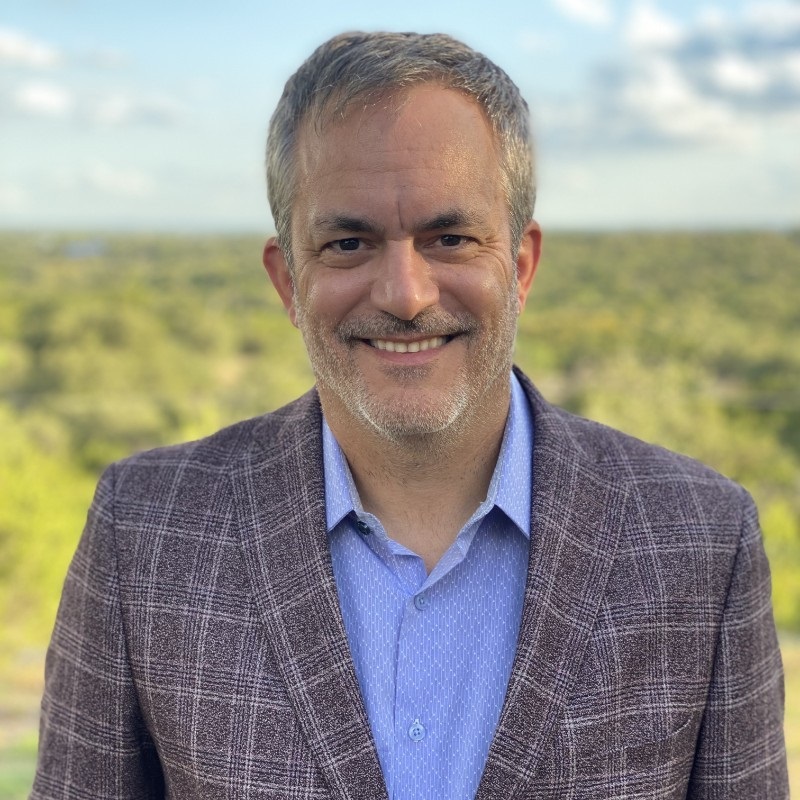
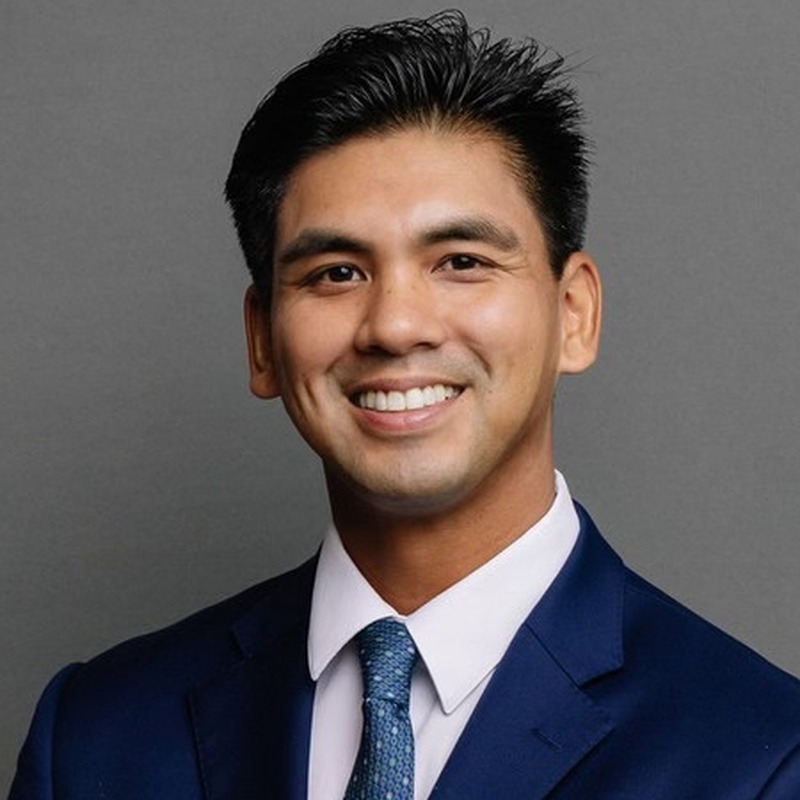
Derik Polay is the named CGK San Antonio Managing Director and runs our San Antonio office, the firm’s headquarters, leading every engagement we take across Bexar, Comal, and Guadalupe counties. With 25+ years in M&A and distressed securities, including senior roles at IFI Capital and Fulcrum Capital, Derik brings a direct, practical read on what actually drives enterprise value inside an operating Texas business. Behind him sits the broader CGK Managing Director bench across the firm’s other offices, available on valuation analytics, M&A structuring, sector specialization, and buyer-side work whenever an SA deal calls for additional firepower. Greg Knox, CFA backs every San Antonio valuation and the larger M&A engagements that need the analytical defense a CFA charterholder brings to LOI-stage pressure.






What SA owners say about CGK.
Derik located multiple interested strategic buyers that produced more than one serious offer. The negotiations … were tough but Greg and Derik’s experience helped us overcome. We got a great result for our employees and for the owners. We would recommend them without reservation.
Bob TaylorI reached out to Derik about selling our company. He came to our business and discussed what realistic numbers looked like. He was also full of great advice on how to get our sales up to better our chances of getting the number we are [looking for]…
Scott, Team RunrocketMr. Knox always did what he said. He was knowledgeable about my situation and told me the truth, even though it wasn’t what I wanted to hear. Nothing less than a 5 star guy.
Roslyn BartlettExcellent service. I was in need of a valuation for a possible acquisition. Greg was extremely thorough. All my questions were answered in a timely manor. I couldn’t be happier with the results. Thank you for all you do.
Darin LaFonIf not for the expertise of Matthew Mistica at CGK we would have been so lost. He was patient, professional & very thorough.
Dave S.I am grateful for the assistance of CGK Business Sales in selling my business. They provided excellent service, were highly responsive, and helped me find the right buyer. I couldn’t be happier with the outcome.
Joanne D.The team at CGK Business Sales did an outstanding job in selling my business. They were professional, responsive, and worked diligently to find the right buyer. I highly recommend their services.
Josh FowlerInside the Blueprint, on Bloomberg TV and Fox Business News.
CGK Business Sales was featured on Inside the Blueprint, the syndicated business television series. Our episode aired on Bloomberg TV and Fox Business News. We are usually the only San Antonio M&A advisors on an SA seller’s shortlist who can point to a Bloomberg appearance. Watch the segment, then start a confidential conversation with our San Antonio team.
Four SA owner stories, four CGK San Antonio engagements.
The four composite seller stories below sit inside the structural Texas mix our San Antonio business brokers see most often: a Westover Hills cleared-workforce IT services firm rolling into a Texas-and-Southwest US government services consolidator, a Live Oak internal medicine practice taken by a TRICARE-aligned primary-care PE platform, a Southtown contemporary Mexican restaurant group sold to an SA-area restaurateur and family office, and a Boerne Hill Country roofing contractor sold to an HNW operator-buyer. Names, locations, and identifying details are composited; the structural patterns are real. Each story shows what the engagement felt like from the seller’s seat.
How a Westover Hills cleared-workforce IT services firm found a Texas-and-Southwest consolidator with the San Antonio business brokers who priced the JBSA contract life correctly.
Hector’s San Antonio Tejano family roots reach four generations deep on this side of the Rio Grande. His great-grandfather worked the King Ranch in the 1920s, his grandfather served at Lackland in World War II when it was still called Kelly Field, and his father spent 32 years as a Lackland civilian aerospace mechanic. Hector earned his commission and served eight years as an Air Force officer at Lackland, separated as a Major, and stood up his cleared-workforce IT services firm in 2007 with a small team of fellow veterans. By the time he called us, the operation cleared $30 million in revenue at a 17 percent EBITDA margin (clean for a cleared-services platform of that size), with 110 W-2 staff covering 75 cleared engineers across the TS and SCI tiers and a deep program-management bench out of the Westover Hills headquarters. Eight prime and subprime contracts ran through Air Force, the Fort Sam Houston Army components, and a handful of civilian DoD touchpoints, with a five-year average remaining contract life and a top-three customer concentration of about 26 percent. Hector’s wife is a CHRISTUS Santa Rosa neonatologist being recruited for a department chair role at University Hospital, and their two adult children are an Air Force Academy graduate flying F-35s at Luke AFB and a UTSA sociology PhD candidate. Hector wanted the next chapter on his church’s leadership succession and on a Mexican-American business mentorship program he had been quietly funding out of his own pocket for years.
The first call ran fifty-three minutes. Hector walked us through the way Marcus Williams, his lead chief security engineer and a longtime fellow Air Force veteran who had separated at Lackland and joined him in 2009, had quietly become the institutional voice on the cleared engineering bench; the way his JBSA contract book had stayed durable through three procurement cycles; the way government-services PE consolidator scouts had been calling the office twice a quarter for two years; and the way none of those scouts had asked about Marcus or about how the Westover Hills field-program rhythm fed the cleared-workforce continuity story. He did not know whether the platform numbers he was hearing reflected the small-business-set-aside premium his book actually carried or the standard discount that larger consolidators apply by default. We walked him through what to expect from each band of buyer, then we set up a free valuation walkthrough.
The CGK San Antonio team walked Hector through a valuation that priced the cleared-engineering count by tier, the prime-versus-subprime contract life waterfall, the Air Force and Army revenue split, the small-business-set-aside status assignment risk, and Marcus’s continuity at the engineering-leadership layer. The valuation also flagged what the diligence file would need: a contract-by-contract revenue waterfall by JBSA component, a clearance roster by tier with renewal calendar, a small-business-set-aside transition memo from his federal-contracts counsel, named-engineer retention agreements at the senior tier, and a clean breakout of the prime versus subprime work inside the broader services book. Hector spent four months getting that done. Then we took the platform to market.
Government-services consolidation in the Texas-and-Southwest band is one of the most active rollup verticals in the country and the buyer interest reflected it. The blind teaser drew deep buyer interest. The pool was the structural mix the cleared-services industry tends to attract at this size: a few HNW former government-services-executive buyers, a real cohort of search funders, several independent sponsors, the heaviest concentration of bidders from mid-market and lower-middle-market PE government-services platforms, regional San Antonio family offices with defense-services and healthcare exposure, large national strategics with cleared-workforce theses, and a couple of Mexican-American-owned PE funds with bilingual government-services theses. Six LOIs advanced to a final round. Hector chose the second-highest headline because the buyer (a PE-backed government services consolidator with a Texas-and-Southwest US regional brand, 14 other government-services platforms in their portfolio across TX, NM, OK, AZ, and AL, sponsored by a Houston-based mid-market PE fund) committed to keeping the cleared engineering bench together with comp-step protections, kept the Westover Hills headquarters under existing branding, named Hector as senior strategic advisor for 24 months at one day per week, and kept all eight prime and subprime contracts under their current performance teams. The deal closed at 76 percent cash at close, 12 percent in a twenty-four-month escrow (longer than the standard twelve to cover JBSA contract performance bonds, cleared-workforce continuity, and small-business-set-aside status assignment timing), and 12 percent rolled forward as equity in the consolidator’s holding company. When the wire cleared Hector called his father in Spanish from the Westover Hills office. “Ya esta hecho, papa.” His father, the retired Lackland civilian aerospace mechanic now living quietly in Helotes, simply said “Mijo.” Hector drove from there to Marcus Williams’s home and shook his hand on the porch.
“I needed a buyer who would ask about Marcus first. The number came after that.”
How a Live Oak internal medicine practice went to a TRICARE-aligned primary-care PE platform with the business brokers San Antonio teams who priced the military-retiree referral pull correctly.
Karen’s family migrated to San Antonio from East Texas in the 1970s on the back of an SA-area opportunity that has anchored her family ever since. Her father became a Lackland civilian engineer; her mother spent decades as a Wilford Hall Medical Center nurse, working second-shift through Karen’s high school years and putting both daughters through college on a single hospital salary. Karen finished UT Health San Antonio School of Medicine in 1996, completed internal medicine residency at University Hospital, and opened her practice in the Live Oak and Northeast San Antonio submarket in 2003 with two exam rooms and one nurse. Twenty-three years later, the operation runs as Karen plus two other internists plus one nurse practitioner, supported by 18 W-2 staff. The service mix landed at 55 percent traditional internal medicine and adult primary care, 22 percent chronic care management and remote patient monitoring (a Medicare Advantage growth line that compounded steadily across the past five years), 15 percent in-office procedures, and 8 percent women’s adult preventive wellness. CHRISTUS and University Hospital privileges were active on every clinician. The payer mix landed in the texture the Northeast SA submarket actually demands: roughly 28 percent commercial, 25 percent TRICARE (the large military-retiree base in the NE SA neighborhoods around Universal City and Live Oak shows up directly here), 22 percent Medicare Advantage, 18 percent traditional Medicare, and the remainder split across smaller payers. Revenue cleared $5.6 million at a 27 percent EBITDA margin, defensibly clean for a 3-physician primary-care group of that size. Karen had been recruited as Associate Dean at UT Health San Antonio School of Medicine, an academic-and-administrative role that does not allow her to keep running a private practice. Her husband (a Lackland civilian engineer) is supportive; their daughter is in dental school at SMU; their son finished Howard Law and works at a Dallas firm.
Primary-care PE rollup is hot across Texas’s NE SA TRICARE-heavy submarkets, and the buyer profile reflects it. Karen had been approached six times in eighteen months: twice by national primary-care platform consolidators, twice by Texas-aligned PE platforms, once by a CHRISTUS-aligned VBC platform, and once by a strategic acquirer running a TRICARE-and-VA expansion thesis. None of those scouts had walked her through how a buyer’s diligence team would price the military-retiree TRICARE concentration, the chronic care management revenue line, or her senior nurse practitioner Tanisha Brooks’s quiet but real institutional weight inside the practice. She called us the week after she signed her acceptance for the Associate Dean role at UT Health.
The first call ran forty-eight minutes. Karen walked us through the founding, the way the chronic care management and remote patient monitoring line had grown from a small clinical interest into the practice’s most differentiated revenue line, the way Tanisha, a African-American SA-native NP who had been with the practice since 2008, had quietly become the institutional voice on the chronic-care floor, and the conversations she had been having with the other clinicians about whether they wanted to stay through a change of control. The valuation walkthrough showed Karen a band that priced the TRICARE military-retiree base, the Medicare Advantage chronic-care management revenue, the in-office procedure suite utilization, the CHRISTUS and University Hospital privilege continuity, the regional referral pull from primary-care groups across NE SA, and Tanisha’s continuity at the chronic-care layer. The valuation also flagged what the diligence file would need: a payer-mix-by-physician waterfall with full hospital-privilege documentation, a CCM and RPM utilization breakout with attribution to the primary attending, named-physician retention agreements with the other two internists, a named-NP retention agreement with Tanisha, and a clean breakout of in-office procedure revenue versus pure cognitive-visit revenue. Karen spent five months getting that done. The CGK San Antonio team took the practice to market.
NE SA primary-care draws a deep buyer pool. The blind teaser drew deep buyer interest. The pool was the structural mix the primary-care industry tends to attract in SA’s TRICARE-heavy submarkets: a few HNW physician-investor buyers, search funders, independent sponsors, the heaviest concentration of bidders from mid-market PE primary-care platform consolidators (the dominant cohort, since primary-care PE rollup is a hot active thesis in Texas TRICARE markets), CHRISTUS-aligned and University Health-aligned VBC-thesis platforms, regional medical-group rollups across TX, OK, NM, and AZ, and a couple of Texas family offices with healthcare-services theses. Four LOIs advanced to a final round. Karen chose the second-highest headline because the buyer (a PE-backed primary-care platform consolidator with a Texas-and-Sun-Belt thesis and TRICARE network alignment, with 25-plus primary-care groups in their existing portfolio across TX, OK, NM, and AZ, sponsored by a Dallas mid-market PE fund) committed to keeping all 18 staff and all three clinicians under their current contracts, kept the Live Oak office, and named Karen as senior medical advisor for 18 months at one day per week. The deal closed at 80 percent cash at close, 8 percent in a twelve-month escrow for general indemnity, and 12 percent rolled forward as equity in the platform’s holding company. When the wire cleared Karen called her mother from her Live Oak office. Her mother, the seventy-nine-year-old retired Wilford Hall nurse who had carried a hospital ICU through two decades of night shifts, said quietly “Your daddy would be proud.” Karen walked the practice with Tanisha, the two of them standing for a long moment at the chronic-care suite door.
“I needed a buyer who would ask about Tanisha first. The number came after that.”
How a Southtown contemporary Mexican restaurant group sold to an SA-area restaurateur with the San Antonio business brokers who priced the recipe-and-kitchen continuity correctly.
Sofia’s Tejano family roots reach five generations into the West Side of San Antonio. Her great-great-grandparents lived through the early years of statehood; her grandmother ran a small West Side panaderia for forty years out of a brick storefront a few blocks off Guadalupe Street. Sofia spent her teenage afternoons learning kitchen Spanish and family recipes at her grandmother’s elbow, trained at the Culinary Institute of America’s San Antonio campus, worked through River Walk and Pearl restaurants for a decade, and opened her first contemporary Mexican concept in Southtown in 2012 with a small loan from a family-network investor. A second smaller concept followed in the Pearl District in 2017. By the time she called us, the operation ran as a 3-restaurant contemporary Mexican and Tex-Mex group with the flagship contemporary Mexican fine dining in Southtown (60 percent of revenue), a fast-casual taqueria in the Pearl District (30 percent), and a small catering arm serving the San Antonio corporate event market (10 percent). The flagship menu blends contemporary Mexican fine dining with the family-recipe Tex-Mex anchored to her grandmother’s panaderia heritage; the bar program is built around a curated tequila and mezcal collection, and the wine list runs deep on Mexican and Texas Hill Country bottles. Combined revenue cleared $2.4 million at a 31 percent SDE margin, defensibly clean for a 3-location concept of that scale in Southtown and the Pearl District. Sofia’s husband is a USAA actuary being relocated to USAA’s secondary campus in Phoenix. Sofia and their two school-aged kids are moving with him. She wants the restaurants to continue under operators who will preserve her family-recipe-anchored menu.
Restaurant M&A at this tier has its own structural pattern. The valuable assets are the brand identity, the lease portfolio, the kitchen-leadership continuity, the family-recipe menu integrity, and the community trust that underwrites a contemporary Mexican concept across Southtown and the Pearl District. Smaller-tier restaurant groups typically transact on a cash-and-seller-note basis rather than the cash-plus-rollover structure that dominates larger restaurant-platform deals. Sofia had been approached five times in fourteen months: twice by SA-area Tex-Mex operators looking to add contemporary Mexican concepts, once by a regional Houston restaurant group expanding into San Antonio, once by a search funder running an SA-area concept thesis, and once by her CIA-San Antonio mentor running a King William District restaurant group of his own. None of those conversations had walked her through what a buyer’s diligence team would do with the tequila and mezcal program revenue, the family-recipe continuity narrative, or how the kitchen-leadership continuity through Marco, her lead chef since the Southtown opening night in 2012, would be priced inside an LOI. She called us the week her husband told her the Phoenix start date was locked.
The first call ran thirty-eight minutes. Sofia walked us through the founding, the way the curated tequila and mezcal program had compounded into a steady draw for the Southtown dinner crowd, the way Marco, a longtime SA-native Mexican-American chef who had been with her since the flagship opening night, had quietly become the institutional voice on the kitchen line, and the conversations she had been having with Marco about whether he wanted to step up under a new owner. The valuation walkthrough showed Sofia a band that priced the three-location lease portfolio and renewal-option language, the kitchen-leadership continuity through Marco, the tequila-and-mezcal program revenue, the corporate-event catering arm serving the SA business community, and the Southtown and Pearl District brand identity. The valuation also flagged what the diligence file would need: a clean trailing-eighteen-month covers-per-service waterfall by location and day-part, a beverage-program revenue breakout, a named-staff retention agreement with Marco, and a clean lease-assignment opinion from her real estate counsel covering all three locations. Sofia spent eight weeks getting that done. The CGK San Antonio team took the group to market.
Smaller-tier restaurant M&A in Southtown and the Pearl District draws a moderate-depth pool with a strong HNW-restaurateur cohort. The blind teaser drew deep buyer interest. The pool was the structural mix the smallest-tier restaurant band tends to attract: a few HNW restaurateur-investor buyers (including the SA-area Tex-Mex operators who had approached her directly), a couple of search funders (restaurants are search-funder favorites at this size), a couple of independent sponsors, several regional San Antonio restaurant groups looking for contemporary Mexican exposure, mid-market PE restaurant platforms with ethnic-cuisine theses, and one strategic acquirer running an SA-region Mexican-cuisine expansion thesis. Five LOIs advanced to a final round. Sofia chose the highest headline because the buyer (a HNW SA-area restaurateur, Sofia’s CIA-San Antonio mentor running an existing King William District restaurant group, partnered with a San Antonio family office providing equity-gap financing) committed to keeping all 32 staff including kitchen leadership, kept all three locations operating under their existing brand names, named Sofia as creative-and-recipe advisor for 12 months, and gave Marco the path to step up as the chef de cuisine of the flagship under the new ownership. The deal closed structured as 82 percent cash at close with the remaining 18 percent as a seller note over five years at a market rate. When the wire cleared Sofia called her abuela in Spanish from the Southtown kitchen. “Ya esta hecho, abuelita.” Her abuela, the ninety-one-year-old who had run the West Side panaderia for forty years out of the brick storefront a few blocks off Guadalupe Street, simply said “Que Dios te bendiga, mija.” Sofia walked the dining room one final time with Marco, the two of them standing in the kitchen doorway as the dinner service began to set up.
“My abuela ran a West Side panaderia for forty years. The buyer kept the menu and the team. That is the inheritance.”
How a Boerne Hill Country roofing contractor sold to an HNW operator-buyer with the San Antonio business brokers who priced the standing-seam metal and tile specialty correctly.
Karl’s German-Texan family reaches five generations into the Hill Country. His great-great-grandfather emigrated from Bavaria in 1854 with the wave of German Catholics and Lutherans who founded Boerne, Comfort, Fredericksburg, and the broader Hill Country settlement. Four generations of the family have worked Boerne-area construction trades; Karl came up through his father’s small masonry business, retrained as a roofing contractor in the late 1990s, and opened his own roofing firm in 2002 out of a shop on the east side of Boerne. By the time he called us, the operation ran as a residential and small-commercial roofing contractor serving the Boerne, Fair Oaks Ranch, and northwestern Bexar County submarkets at $1.4 million in revenue and a 27 percent SDE margin, with a six-person staff of Karl plus four roofing crew plus one office manager. The specialty mix landed on standing-seam metal and tile roofing for Hill Country custom homes (the segment most Hill Country roofers cannot execute cleanly), plus small commercial work for the Boerne and Fair Oaks Ranch commercial real estate. About 140 active customers were on file, with roughly 35 replacement-roof installs per year plus a steady book of repair and inspection work. Karl’s son chose to coach high school football for Boerne ISD and is not taking the family business; his daughter is a UT Austin nursing student. Karl’s wife, a retired Boerne ISD teacher, is ready for them to spend more time at the family Hill Country property south of Comfort. Karl wants to phase down to part-time consulting while remaining nearby.
Roofing M&A at this tier has its own structural pattern. The valuable assets are the customer file, the standing-seam metal and tile specialty (which most regional roofers cannot execute), the crew continuity through the change of control, and the Boerne-and-Fair-Oaks-Ranch reputation that has built up over twenty-three years. Smaller-tier home-services contractors typically transact on a cash-and-seller-note basis rather than the cash-plus-rollover structure that dominates larger home-services platform deals. Karl had been approached four times in eighteen months: twice by national home-services rollup platforms, once by a Texas regional consolidator running a Hill Country thesis, and once by an HNW operator-buyer in his early 40s who had been quietly running diligence across small Texas roofing books. None of those conversations had walked Karl through how a buyer’s diligence team would price the standing-seam metal and tile specialty premium, the customer-file retention pattern, or how the crew continuity through Javier, his lead Mexican-American crew leader since 2002, would be priced inside an LOI. He called us the week his wife told him she was ready for the slower pace at the Comfort property.
The first call ran twenty-nine minutes. Karl walked us through the founding, the way the standing-seam metal and tile specialty had compounded into the segment that defended the firm’s pricing power, the way Javier, a longtime Mexican-American crew leader who had been with him since the 2002 founding, had quietly become the institutional voice on the roofing crew, and the conversations he had been having with Javier about whether Javier wanted to stay through a change of control. The valuation walkthrough showed Karl a band that priced the customer file by repair-versus-replacement category, the standing-seam metal and tile specialty as a premium segment, the small-commercial book mix, the crew continuity through Javier, and the Boerne and Fair Oaks Ranch reputation. The valuation also flagged what the diligence file would need: a customer-file revenue waterfall by repair, replacement, and inspection category; a standing-seam-and-tile install schedule covering the trailing eighteen months; a named-crew retention agreement with Javier; a clean shop-lease-assignment opinion; and a small-commercial backlog schedule. Karl spent five weeks getting that done. The CGK San Antonio team took the firm to market.
Smaller-tier roofing M&A in the Hill Country draws a moderate pool with a strong HNW operator-buyer cohort. The blind teaser drew deep buyer interest. The pool was the structural mix the smallest-tier roofing band tends to attract: a few HNW operator-buyers (including the early-40s Texas home-services operator who had approached him directly, plus two other owner-operators looking for a turnkey Hill Country roofing book), a small handful of search funders (roofing is starting to attract search funders), independent sponsors, regional home-services consolidators, mid-market PE home-services rollup platforms with Texas focus, and one strategic acquirer with a Hill Country roofing thesis. All five LOIs advanced to a final round at Karl’s tier. Karl chose the highest headline because the buyer (an HNW operator-buyer in his early 40s, a former Texas home-services operator with a San Antonio family-office co-investor) kept the family name on the trucks, kept all six staff with comp-step protections, kept Javier in his crew-leader seat at his existing comp tier, named Karl as transition advisor for 12 months, and committed to keeping the Boerne shop. The deal closed structured as 78 percent cash at close with the remaining 22 percent as a seller note over three years at a market rate. When the wire cleared Karl called his wife from the Boerne shop. She had been waiting for the call all morning and simply said “We’re going to Comfort.” Karl walked across the shop to Javier, who had been with him since the 2002 founding, and shook his hand on the shop floor.
“Five generations of Boerne. The buyer kept the name on the trucks. That is the inheritance.”
If any of these stories sound like you, start with a free San Antonio business valuation.
The composites above are different industries, different sizes, different deal structures. They are the same engagement, run the same way, by the same named CGK San Antonio Managing Director. The first conversation is free. The verbal valuation that follows is free for any SA owner seriously thinking about selling on any horizon: a year, five years, longer.
Confidential. No obligation. Direct routing to a named principal.
Talk to a CGK San Antonio Business Broker
A senior CGK San Antonio principal will respond within one business day. For SA owners with $1.5M+ in annual revenue.
The buyer pool the San Antonio business brokers at CGK actually run process for.
The number of qualified buyers we can put in front of you is the biggest reason CGK’s close rate runs nine of ten. The Texas buyer pool is structurally deep across most of the industries we close, anchored by JBSA’s role as the largest joint base in the country, USAA’s San Antonio headquarters, and the South Texas Medical Center’s gravitational pull on healthcare-services M&A.
PE-backed government services platforms with Texas-and-Southwest theses. JBSA is the largest joint base in the United States and the Lackland-and-Randolph cluster pulls cleared-workforce and government-services PE platforms because the Texas-and-Southwest US contractor concentration in San Antonio is structurally non-substitutable. Active platforms running SA-relevant rollups span cleared-workforce IT services consolidators, defense engineering platforms, intel-and-cyber services rollups, federal-health-services platforms, and mid-market PE government-services platforms with Air Force and Army-component theses.
San Antonio-anchored family offices with defense-services and healthcare exposure. The Stone Oak, Alamo Heights, and Boerne high-net-worth corridor hosts a meaningful family-office cohort that prefers Texas targets in the lower-middle-market band where they can hold for decades. SA-area family offices regularly co-invest with HNW operator-buyers on cleared-services platforms, healthcare specialty practices, and Hill Country home-services rollups.
USAA-adjacent professional services and fintech-services consolidators. USAA’s San Antonio headquarters anchors a deep financial-services and fintech ecosystem that pulls professional-services PE platforms into San Antonio. Active platforms running SA-relevant rollups span financial-services consulting consolidators, insurance-services platforms (including USAA-adjacent commercial books), specialty professional-services rollups, and fintech-services platforms with USAA-vendor-stack theses.
Primary-care PE platforms with TRICARE and military-retiree alignment. The South Texas Medical Center plus the JBSA military-retiree concentration in NE SA makes the primary-care PE rollup market particularly active. Active platforms running SA-relevant healthcare rollups span primary-care platform consolidators with TRICARE alignment, women’s health consolidators, behavioral-health platforms, dental DSO consolidators, and specialty-practice platforms with CHRISTUS, Methodist, and University Health-aligned theses.
Texas restaurant groups and Hill Country home-services rollups. San Antonio’s Southtown, Pearl District, and River Walk hospitality cluster draws restaurant-platform consolidators and HNW restaurateur-investors. Hill Country home-services consolidators (roofing, landscaping, pool, HVAC) run continuous outreach into Boerne, Fair Oaks Ranch, and the New Braunfels and Comfort corridors. Strategic acquirers frequently pay the highest premium when the synergy math is real, and our San Antonio M&A advisors stage those conversations carefully so confidential information does not leak into trade press while a process is live.
Greater San Antonio submarkets we serve.
Greater San Antonio is not one market. Our San Antonio business brokers run engagements across these twelve submarkets and the sectors that anchor each. Derik runs every one.
Preparing to sell your San Antonio business.
Not every preparation step is created equal. Some moves are required to clear the strongest prices. Some are strongly recommended. Some are nice to have. Here is how we tier the preparation work for San Antonio owners.
Tier 1 (must): Build the next layer of management, eighteen to twelve months ahead. If you are the only person holding key customer, vendor, regulatory, or referral relationships together, the buyer will discount for the risk of you walking out the door after closing. Putting a named manager between you and each relationship, then letting the handoff settle in for six to twelve months, removes one of the biggest possible discounts at the offer stage. The team build has to start first; the financial picture you show buyers later is shaped by who is actually running each piece of the business. Non-negotiable for any San Antonio business above $1M EBITDA.
Tier 1 (must): Clean the financials, twelve to six months ahead. Once the team is in place, the financial picture starts to look the way buyers will need to see it. The last twelve months of your numbers drive what buyers will pay. The books need to clearly separate recurring revenue from one-time project revenue, the tax-driven adjustments need to be reversed out to show real cash flow, and any one-time events in the trailing twelve months need to be flagged separately. Skipping this step shows up directly in the buyer’s offer.
Tier 2 (should): Tax and estate planning, twelve months ahead. A larger San Antonio sale carries tax choices most owners do not see until they are deep inside the offer process: how the deal is structured (asset sale versus stock sale), specific reorganization options for some C-corps, Texas franchise tax considerations, installment-payment arrangements, charitable trusts. The right financial advisor, trust attorney, CPA, or tax attorney brought in twelve months before close pays for itself many times over.
Tier 2 (should): Document the customer, vendor, and key-employee relationships. Written agreements with key customers, written retention agreements with key employees, vendor contracts with assignment language, lease assignment opinions where applicable. These are not always strictly necessary, but they make the buyer’s review work faster and remove specific friction at the LOI stage.
Tier 3 (nice to have): Operational dashboards and a written succession plan. Cleaner monthly reporting, KPI dashboards, a written succession plan for the owner role. These do not directly lift the price but they make the engagement feel professional to a buyer and they reduce the time required for the buyer’s deal team to verify what they are buying.
San Antonio owners who get Tier 1 done tend to clear the prices you see in trade-press coverage for their industry. Owners who skip Tier 1 learn what a discounted price feels like in real time. Either way, the CGK San Antonio team will tell you the truth about where you are on each tier.
When to call San Antonio business brokers.
The most common reasons San Antonio owners pick up the phone and call our San Antonio business brokers come paired with a cost if they wait. Here is each trigger and what waiting on it tends to cost.
Trigger: an unsolicited offer is on the table. Cost of waiting: you sign before you know the real field. Most unsolicited offers are designed to anchor the price low. Calling us before you sign lets us run a competitive process in parallel. The unsolicited buyer frequently finishes in the back half of the LOI table once a real field shows up. Waiting locks in the lower number.
Trigger: succession has answered itself. Cost of waiting: the binding constraint gets more visible. When your child has moved on to a different field or your second-in-command has started their own thing, the dependency between the business and you becomes the most expensive finding a buyer can make during review. Calling us six to twelve months out gives you time to put the next layer of management in place and let the handoff settle before going to market.
Trigger: you want to sell from strength. Cost of waiting: the next softer quarter. The trailing twelve months are the strongest the business has ever produced. The team is the deepest it has been. The customer or referral pipeline is the cleanest in years. Waiting one more year typically means giving back some of that strength. Selling from peak is the moment most owners hesitate, and most owners look back wishing they had not.
Trigger: a health, family, or partnership shift has changed your horizon. Cost of waiting: timing compresses and the price drops. We can run a process inside a tight window, and we have, but the work that should have happened over twelve months gets compressed into weeks. That compression usually shows up in the final price. Calling us early, before the urgency forces the timeline, is almost always the better path.
Trigger: you want to know what the business is worth. Cost of waiting: ignorance is more expensive than knowledge. The free verbal valuation walkthrough is open to any San Antonio owner thinking about a sale on any horizon, including no specific horizon. Most of our best San Antonio engagements start with this conversation a year or more before the transaction.
Whichever trigger fits you, start the conversation before waiting costs you.
Start with a confidential conversation. A senior CGK San Antonio principal will respond within one business day to schedule a free verbal valuation, in person, or by Zoom.
Confidential. No obligation. Direct routing to a named CGK San Antonio principal, not a junior screener.
Frequently Asked Questions
Practical answers to what comes up most often when SA owners are evaluating San Antonio business brokers to take their company to market.
We Know San Antonio.
San Antonio is the Alamo at sunrise and the Mission Trail running south past San Jose, Concepcion, San Juan, and Espada, the River Walk under string-lights at night, La Villita’s brick courtyards, the Pearl District’s Saturday farmers market, the Tower of the Americas above HemisFair Park, Mi Tierra at El Mercado serving menudo at three in the morning, Market Square’s Mexican-import vendors, the Witte Museum on a Sunday, the Briscoe Western Art Museum across from the river, Broadway running from the Quarry through Alamo Heights, the Spurs at the AT&T Center on a Wednesday in February, the Tobin Center for the Performing Arts, the Japanese Tea Garden in Brackenridge Park, the San Antonio Botanical Garden, the McNay Art Museum, the Five Points food scene, the Fiesta tradition every April, Schilo’s Delicatessen on Commerce, Mi Tierra’s all-night bakery counter, the H-E-B Plaza headquarters and the South Texas Medical Center, Helotes country dance halls on a Saturday night, Boerne’s Main Street, Fredericksburg’s German bakeries, and the LBJ Ranch a short drive northeast through the Hill Country. CGK’s San Antonio address is 700 N Saint Mary’s St, San Antonio, TX 78205, but most of our work with SA owners happens at the seller’s business or by Zoom.
We know the JBSA anchor pulls a deeper cleared-services and government-services M&A market into San Antonio than the city’s population alone would suggest, and we work that buyer pool every quarter. We track the Texas Economic Development data on owner demographics that shows a Texas Boomer-business succession wave compounding since 2018, and we work the Greater San Antonio deal market alongside the convening work of the San Antonio Hispanic Chamber of Commerce, the North San Antonio Chamber of Commerce, and the regional development work of the San Antonio Economic Development Foundation.
We know San Antonio is brisket and cabrito on Cherry Street, the Spurs at the AT&T Center every winter, the Tobin Center on a Friday night, the King William Historic District on a Sunday morning walk, the Pearl Brewery transformation around the Bottling Department, the Bonham Exchange and the Esquire Tavern at the south end of the River Walk, the McNay’s Spanish Colonial wing, the bowling-alley-and-honky-tonk Helotes country dance halls, Boerne’s Hauptstrasse on First Friday, Fredericksburg’s German bakeries an hour north on US 87, Comfort and Sisterdale and the Hill Country backroads. We know Stone Oak and Sonterra, Alamo Heights and Olmos Park, the Pearl and Tobin Hill, Southtown and King William, Westover Hills and the Lackland corridor, Live Oak and Universal City and the Randolph corridor, the West Side Mexican-American small-business spine, Boerne and Fair Oaks Ranch, New Braunfels and Garden Ridge, Seguin and Guadalupe County. We know the JBSA cadence, the way the Toyota Tundra plant in South San runs against the Tier 2 supplier pulse, the South Texas Medical Center hospital cycle, the USAA campus rhythm in Northwest SA, the Pearl District morning at the Bottling Department coffee shop, the River Walk under string-lights as the city anchor.
We are members of the International Business Brokers Association (IBBA) and M&A Source. We carry a CFA, a CMT, a CAIA, an FDP, an MBA, and a Master of Data Science. If you are an SA owner thinking about how and when to sell your business, or hunting for the right Texas acquisition through our buy-side advisory, or want a confidential business valuation, our San Antonio business brokers know this city and the Texas buyer pool. Call (210) 526-0094 or submit the form to start.
Latest from the CGK blog.
Recent commentary on selling, buying, and valuing privately-held businesses, fresh from CGK and the San Antonio M&A advisor bench.

AI productivity tools are quietly compressing operating cost lines and re-shaping the multiples sophisticated buyers are willing to pay. Owners going to market in 2026 need to understand how a buyer’s deal team prices the AI lift before signing an LOI, because the valuation gap between AI-mature and AI-naive businesses is widening fast. […] Read More

Stock vs. asset structure, F-reorganizations, QSBS eligibility, installment-sale considerations, and state-tax allocation can each shift net proceeds by tens of thousands or more. The 2026 update walks privately-held owners through the structuring decisions that have to be made twelve months before close, not at LOI. […] Read More

SBA 7(a), conventional senior debt, mezzanine, seller notes, rollover equity, and earn-outs each carry different cost-of-capital, covenant, and risk profiles for the buyer. The post breaks down how each layer interacts with the seller’s preferred structure and where most first-time acquirers misprice their financing structure. […] Read More
Start with a confidential conversation. No commitment.
Submit a brief profile and a senior CGK San Antonio principal will reach out within one business day. The first conversation is always free, and the verbal valuation that follows is free for any SA owner seriously thinking about selling on any horizon.
Strictly confidential. No pressure. Direct routing to a named CGK San Antonio Managing Director, not a junior screener.
Talk to a CGK San Antonio Business Broker
A senior CGK San Antonio principal will respond within one business day. For Texas privately-held companies with $1.5M+ in revenue.
Or scroll up to the seller-profile form in any of the three valuation blocks above. Direct routing to Derik Polay, not a junior screener.
Confidential. No obligation.
Sell your San Antonio business by industry vertical.
CGK San Antonio business brokers serve owners across federal contracting, healthcare, mechanical contracting, hospitality, distribution, and pool services industries. Each industry has its own diligence cadence, buyer pool, and value-driver story. Click any card below to see the playbook for your industry.
Federal Contracting
Sell a San Antonio federal contracting business with JBSA, Lackland, and Texas defense corridor diligence discipline.
Visit pageMedical Practices
Sell a San Antonio medical practice with South Texas Medical Center, payer-mix, and credentialing diligence.
Visit pageMechanical Contracting
Sell a San Antonio mechanical contracting business with commercial HVAC, refrigeration, and South Texas climate diligence.
Visit pageRestaurants
Sell a San Antonio restaurant business with Riverwalk hospitality, concept transferability, and tourism diligence.
Visit pageDistribution
Sell a San Antonio distribution business with I-35 corridor, Mexico-US trade, and South Texas logistics diligence.
Visit pagePool Services
Sell a San Antonio pool services business with South Texas climate, recurring service routes, and pool-density diligence.
Visit pageCGK has offices across the country.
Whichever office you reach, you get the entire firm. Click any city to learn about that local market, or click the business broker page link to see the local broker landing.
Colorado Springs, CO 80903