
Houston Business Brokers Who Sit With You Before They Sell For You.
You have built this through Gulf Coast hurricane seasons, Texas Medical Center expansions, and Port of Houston container surges. You know which customer has been with you for decades, and which dispatcher knows the difference between a Galveston-bound run and a Conroe run. Selling your business is not a transaction question. It is a question about what happens to the people who trusted you, what your life looks like on the other side of the wire, and whether the timing fits the rest of the story you are still writing. Our Houston business brokers and M&A advisors sit with you in that decision before we run the process.
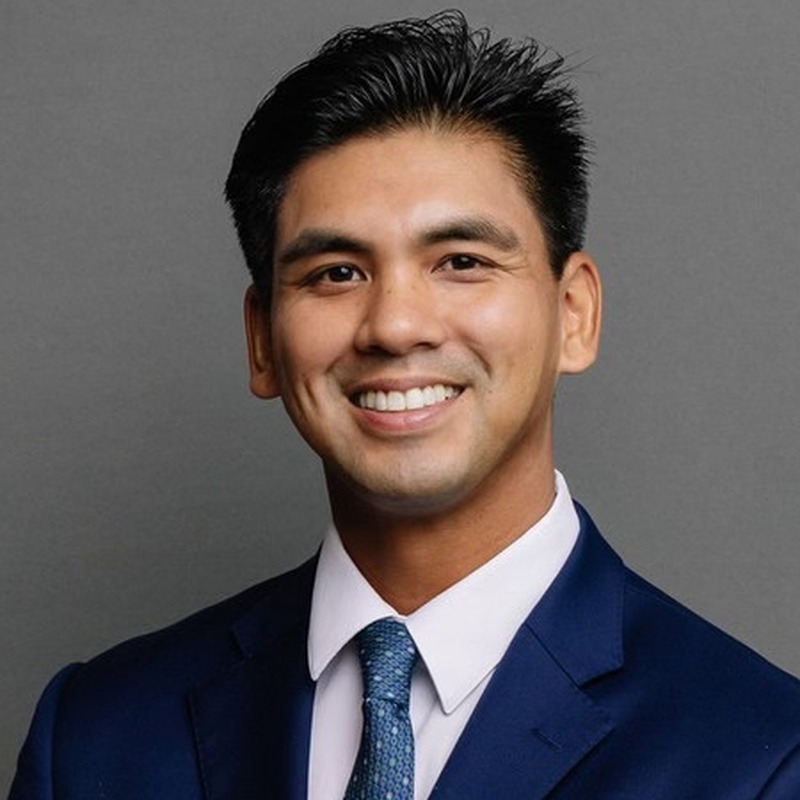
We love when you call, though we spend most of our time on the phone closing deals for owners like you. The form below is the fastest way to reach Matthew Mistica directly. He replies within one business day, usually much sooner.
🔒 Strictly confidential. Direct routing to a named CGK Houston principal, not a junior screener. We never share inquiries with anyone.
“Most Greater Houston owners we sit with do not call us ready to sell. They call because something has shifted, and they want to think it through with someone who reads both the financials and the part of the decision that does not show up in a spreadsheet.
We start there.”
A note from Matthew Mistica · Houston Lead, CGK Business Sales
Questions Greater Houston owners are asking themselves right now.
These are the questions that show up at four in the morning before any of it is shared. Our Houston business brokers have heard each of them across years of Southeast Texas engagements.
Sell a business in Houston, TX.
Most first calls start the same way. An owner says, “I want to sell my business in Houston, and I am not sure what it is worth.” That is exactly the right place to begin. CGK sells Houston companies doing $1.5M or more in revenue, or $300K or more in seller’s discretionary earnings, confidentially, and more than nine of every ten engagements we take on reach closing.
Valuing a company for sale in Houston is where the work starts. Matthew Mistica walks the numbers with you, and Greg Knox, a CFA, backs the valuation work and the larger M&A engagements. You get a real number built from your financials and from what Houston buyers are actually paying, not a guess pulled from a listing site. If the number works, we go to market. If it does not, we will tell you what would move it and stay in touch until the timing is right.
Selling a business in Houston runs on confidentiality. Buyers see a blind profile first, sign an NDA before they learn your name, and receive information in stages, from least sensitive to most, on the cadence serious buyers expect. Your employees, customers, and competitors hear about the sale when you decide they should, not before.
The work looks different from one company to the next. A distributor off Beltway 8 sells to a different buyer pool than a med spa group in Sugar Land or a specialty contractor in The Woodlands. Industrial owners often want a manufacturing business broker in Houston who can read backlog, equipment condition, and customer concentration the way a buyer will. That is the lens we bring before your company is shown to anyone.
If you have been thinking, “I need to sell my company,” start with a confidential conversation, in person or by screen-share. The valuation is free if you are seriously thinking about selling, whether that is this year or five years out, and selling your business in Houston gets easier the earlier the preparation starts.
How Houston business brokers at CGK actually run a sell-side engagement.
A CGK Houston engagement is not a listing. Our Houston business brokers run a structured M&A process for privately-held Greater Houston companies in the High Main Street and lower-middle-market bands ($1.5M to $100M in revenue). Here is what the engagement looks like from the seller’s seat.
Owners ask about the broker fee early, and we welcome it: the fee is success-based, so CGK only earns when interested buyers become a closed sale. We are one of the few business brokerage firms in Houston built on a true mergers and acquisitions process.
One named senior CGK principal carries the engagement, start to finish.
The named CGK lead on every Houston engagement is Matthew Mistica. Matt’s path into M&A advisory ran through seven years of corporate finance at Chevron and Shell before he moved to the entrepreneurship side, and he brings a Cal Poly engineering background and a University of Houston MBA to the analytical work. Greg Knox, CFA backs the larger M&A engagements and every Houston valuation. Behind Matt and Greg sits the broader CGK Managing Director bench across the firm’s other offices, available on valuation work, deal structuring, industry specialization, and buy-side support whenever a Houston deal calls for additional depth.
We tell you whether and when going to market is the right move.
The conversations before going to market are where most of the value lives. If a documentation gap is going to cost you on the final price, we will name it. If your team has a single-person dependency a sophisticated buyer will catch, we will flag it before a buyer’s deal team does. If the energy cycle, the healthcare investment cycle, or the logistics rollup window is in a slow stretch and waiting six or twelve months meaningfully improves the outcome, we will tell you straight. That disciplined intake on the front end is one half of why nine out of ten CGK engagements close, while the broader brokerage industry sits closer to two of ten.
We package your Houston business for the buyer pool that pays up.
Your Confidential Information Memorandum gets written for the people on the buyer’s deal team who will actually price the business. A Texas Medical Center-adjacent women’s health group gets payer-mix detail by physician, a clear picture of Medicare Advantage attribution, and hospital-privilege language calibrated correctly. An Energy Corridor pipeline-integrity firm gets ILI-services revenue by midstream operator, technician-level utilization, and the customer relationships behind each contract. A Pearland multi-location auto repair operation gets per-bay revenue, technician-level utilization, and the fleet contract picture. The CIM is what the buyers who set the floor are reading, so every page has to defend a number, not just describe a business.
We run a competitive buyer process under absolute confidentiality.
Confidentiality holds from the first phone call all the way through closing. Marketing goes out as a blind teaser that does not name the company. Every serious buyer signs an NDA before we release the CIM. Diligence opens in tiers across the cycle. Summary financials and the buyer thesis go out at NDA. Detailed financials and customer concentration figures (without naming the customers) follow post-LOI. The sensitive material (named customer rosters, key-employee identities, supplier-specific exposure) is held until the deal is well into the purchase agreement and the structure is essentially locked. Sellers who hand all of this over at LOI surrender leverage they cannot get back. Employees, customers, suppliers, and competitors learn what is happening when you decide it is time, not before.
We back-end the process so the deal actually closes.
The other half of the nine-of-ten close rate is what happens after the LOI is signed. That work covers holding the buyer to the LOI terms instead of the looser purchase-agreement first draft, sizing the escrow holdback to the actual risk in your business instead of the buyer’s standard template, getting answers to the buyer’s review team before unanswered questions stall the deal, and keeping the deal upright through the months between LOI and wire when most other brokerages quietly start to lose their grip. Disciplined intake gets you to LOI. Disciplined deal management gets you to closing. Both halves are necessary; neither carries the deal alone.
Start with a free Houston business valuation conversation.
Every relationship our Houston business brokers carry opens the same way: a free verbal valuation walkthrough with a senior CGK principal. We schedule a working session, in person, or by Zoom, and walk you through the model and the band your business is likely to clear in today’s Greater Houston buyer pool. No commitment. No pressure. No sales pitch.
CGK also prepares formal Houston business valuations for owners who need a written number for planning, partners, or lenders, the same business valuation services in Houston we use to price live engagements.
What the free verbal Houston business valuation includes.
A senior CGK principal sits with you, in person or by Zoom, opens our valuation model calibrated to your specific Southeast Texas business, and walks you through the price band you are likely to clear in today’s Houston buyer pool. You see the methodology, the comparables, the multiples, and the math behind the number. You leave with a verbal range and a clear picture of next steps. The free verbal valuation is open to any Greater Houston owner seriously thinking about selling on any horizon: a year, five years, longer. Written valuations are a separate engagement.
If you need a written Texas business valuation memo.
If a written valuation memo is what you need, deliverable to your CPA, your attorney, your spouse, your lender, the IRS, or a Texas court (partnership buyout, estate planning, ESOP), that work is a separate fixed-fee project that lives outside the sell-side engagement. The deliverable is a defensible memo carrying four independent valuation methodologies, an executive summary, and a frank conversation about the specific levers that could lift the number before the business goes to market. If you later engage CGK to sell, the written memo work credits against the success fee.
Why a CFA charterholder valuation matters when you sell in Texas.
Sophisticated buyers, frequently led by an MBA-trained Principal with a finance background, will press hard on your number at the LOI stage. CGK’s role is to give you the analytical defense that holds the price up under that pressure. The CFA charter is the institutional standard credential for valuation work, and CGK is one of very few Houston business brokerages with a CFA charterholder leading the analysis. A defensible Houston business valuation becomes the floor on your deal; a soft one becomes the ceiling.
Start with a confidential conversation.
A senior CGK Houston principal will respond within one business day to schedule a free verbal valuation, in person, or by Zoom. For Greater Houston owners with $1.5M+ in annual revenue. Strictly confidential. No commitment.
Confidential. No obligation. Direct routing to a named CGK Houston business broker, not a junior screener.
Buy a Texas business with CGK Houston business brokers.
If acquiring a business in Houston, Texas, or the broader Gulf Coast and Southeast Texas region is on your radar, our Houston business brokers help you find, evaluate, and close on the right opportunity. CGK buyer engagements are a separate mandate with separate compensation. We never represent both sides of any single deal.
If you are looking for a business to buy in Houston, most of our engagements sell without ever being publicly listed. See what is currently available on our buy a business in Houston page, or register below to be considered as new engagements come to market.
Senior named representation, not a junior screener.
Every CGK Houston buyer engagement is led by a named principal who stays with you from your first conversation through close. Matthew Mistica leads Houston buyer engagements and Greg Knox, CFA backs the analytical work on the larger M&A buy-side engagements. The same person who picks up the phone on day one is the same person sitting across from you when the wire clears, including the target search, the introductions, the financial review, and the negotiation. CGK runs eleven offices and a shared deal pipeline, so a Houston buyer also has visibility into the deal book in Austin, Baltimore, Colorado Springs, Dallas, Denver, Louisville, Nashville, Phoenix, San Antonio, and Washington DC, not just the Texas book.
Proprietary buy-side process for Texas and Gulf Coast targets.
CGK Houston buyers get target search built around your investment thesis, deal sourcing across our cross-office pipeline, financial diligence support, deal structuring, lender introductions, and close coordination. We work with individual buyers, search funders, family offices, strategic acquirers, and lower-middle-market private equity platforms looking for Texas or Gulf Coast add-on acquisitions.
The CGK ‘Micro Private Equity Program’.
For acquirers who want CGK as a long-term partner instead of a one-time advisor, our preferred buy-side structure trades the transaction fee for a small equity stake in the platform. The trade is straightforward: more cash stays with the business at closing, CGK keeps real skin in the game alongside the operator, and we keep working together to source add-on acquisitions and bolt AI-powered tooling onto the operating model. If you are open to CGK as a long-term equity partner, mention “Micro PE” in the buyer profile form to the right.
Off-market Texas acquisitions through the ‘Micro Private Equity Program’.
Buyers in the ‘Micro Private Equity Program’ also get visibility into off-market Texas and Gulf Coast acquisitions sourced through CGK’s cross-office relationships and existing pipeline. Listed inventory plus off-market sourcing is the right combination for buyers who want both structured representation on the public book and a window into deals that never reach the open market.
Buy-side and sell-side are separate engagements with separate compensation.
Buy-side and sell-side at CGK are distinct engagements with distinct fee structures, and we never represent both sides of any single transaction. Sellers get full sell-side representation; buyers get full buy-side representation; the firewall is absolute on any individual deal. Submit the buyer-qualification form to the right. CGK keeps a curated buyer list and reaches out when an active engagement aligns with your stated criteria, capital, and timeline.
Submit your buyer profile.
Submit the form below for a senior CGK Houston principal to review. CGK keeps a curated buyer list and reaches out when an active engagement aligns with your stated criteria, capital, and timeline.
Confidential. Your profile is added to CGK’s curated buyer list. We reach out when an active Texas engagement aligns.
From first Houston conversation to wire transfer.
Most CGK Houston engagements run six to twelve months from signed engagement to wire transfer. Some clear in three to six. Healthcare-services groups, energy-services platforms with clean ILI inspection cycles, and home-services groups tend to land at the faster end of the window when the diligence file is in shape. Insurance books, hospital-privileged specialty practices, and Port-of-Houston-anchored 3PL engagements tend to run longer because of carrier-license assignment timing, hospital privilege transfers, and customs-brokerage liability tail diligence. Here is what a typical seller journey looks like, stop by stop.
Confidential conversation
You call us or submit the form. We listen. No pressure, no commitment. Our Houston business brokers tell you whether and when CGK is the right fit.
Free verbal valuation
Matthew, with Greg backing the analytics, in person or by Zoom, walks you through our valuation model and the price range your Houston business is likely to clear.
Engagement & prep
Signed engagement on a success-fee basis. We help close the items that affect the final price: financial recasting, document cleanup, and the management-team questions buyers will dig into. Texas-specific items get sequenced into the diligence file.
To market & buyer process
Blind teaser, full Confidential Information Memorandum, structured data room, multi-buyer competitive process under NDA. Indications of Interest follow.
LOI & diligence
Buyers will try to broaden the purchase agreement once they have the LOI. We push back. They will push the escrow higher than the LOI implied. We push back. They will pull your operating staff into review sessions during business hours. We push back. The result is a closing that looks like the LOI promised.
Closing & wire
Once the wire posts and the documents are signed, the business continues running. Your people, the ones you trained, hired, and built the company with, stay in place with the orientation, compensation continuity, and management contact a strong handoff requires.
The industries anchoring the CGK Houston book.
Houston is the energy capital of the United States and home to the Texas Medical Center, the largest medical complex in the world. The Energy Corridor and Katy submarket pulls oilfield-services, midstream, and pipeline-integrity M&A activity, while the Texas Medical Center anchors a deep healthcare-services and specialty-practice deal book. The Port of Houston feeds 3PL, customs-brokerage, and Gulf Coast logistics rollup activity, and the broader Greater Houston economy supports manufacturing and industrial services, construction and trades, restaurants and hospitality, and a robust insurance-broker rollup market. CGK Houston engagements span both High Main Street and lower-middle-market bands.
Plus deal experience across 30+ industries. Don’t see yours? Our Texas business brokers have closed deals in almost every Southeast Texas industry, including some very niche businesses.
Meet your Houston business brokers and the national bench behind them.
Matthew Mistica is the named CGK lead on every Houston engagement. With 15+ years in finance and entrepreneurship, including seven years in Corporate Finance at Chevron and Shell, plus a full sell-side process as a founder-operator on the other side of the table through CGK, Matthew brings a direct, practical read on what actually drives enterprise value inside an operating Texas business. Behind him sits the broader CGK Managing Director bench across the firm’s other offices, available on valuation analytics, M&A structuring, sector specialization, and buyer-side work whenever a Houston deal calls for additional firepower. Greg Knox, CFA backs every Houston valuation and the larger M&A engagements that need the analytical defense a CFA charterholder brings to LOI-stage pressure.
It is why owners who have already spoken with other business brokers in Houston often end up hiring CGK.







What Greater Houston owners say about CGK.
We decided to sell our company in 2025. Talked to another M&A company in the Houston area. We felt very comfortable with Greg and Matthew at CGK. Could not have made a better choice. From day 1 till final closing and even after 30+ days, they have been here helping us with documents and support during the transition. Thanks can not be said enough.
Rickey ThomasWe recently sold our business and used CGK. We had never done this so we were very green. If not for the expertise of Matthew Mistica at CGK we would have been so lost. He was patient, professional and very thorough. He made the entire process easy to understand and his excellent communication kept us very informed. If you need a great company to help you with selling your business we highly recommend CGK. You will not regret it.
Dave SefcikI’m so glad I reached out to CGK instead of trying to do it on my own. Matthew Mistica was quick to respond via phone and email. He took me through the process and gave me valuable insights to the value of my business. I’d highly recommend CGK if you’re looking to sell a business in this area.
Sandra RosiniMy experience with Matthew and CGK has been extremely informative, relational, and low pressure. If you are a business owner looking to sell I would highly recommend.
Hannah CorsonSuch a great company to work with, we felt very comfortable every step of the way. If you are looking for a Broker, you cannot go wrong with CGK Business Sales (Matthew Mistica).
Tina ThomasInside the Blueprint, on Bloomberg TV and Fox Business News.
CGK Business Sales was featured on Inside the Blueprint, the syndicated business television series. Our episode aired on Bloomberg TV and Fox Business News. We are usually the only Houston M&A advisors on a Greater Houston seller’s shortlist who can point to a Bloomberg appearance. Watch the segment, then start a confidential conversation with our Houston team.
Four Greater Houston owner stories, four CGK Houston engagements.
The four composite seller stories below sit inside the structural Texas mix the way most CGK Houston engagements do: an Energy Corridor pipeline-integrity firm rolling into a Texas-and-Gulf-Coast midstream services consolidator, a Texas Medical Center women’s health practice taken by a Texas-and-Southeast US women’s health PE platform, a Bellaire-Boulevard Vietnamese restaurant group sold to a Houston-area restaurateur partnered with a family office, and a Pearland independent insurance agency sold to a Texas-and-Gulf-Coast broker rollup. Names, locations, and identifying details are composited; the structural patterns are real. Each story shows what the engagement felt like from the seller’s seat.
How an Energy Corridor pipeline-integrity firm found a Texas-and-Gulf-Coast consolidator with the Houston business brokers who priced the ILI service mix correctly.
Jack’s family came to Houston from Tampico in the 1970s on the back of the Texas oil boom. His father had trained in Mexico as a Pemex pipeline welder and joined a Houston midstream firm in 1978, working out of West Houston shops that fed the Energy Corridor’s earliest growth years. Jack went through UH Engineering on a scholarship and spent twelve years inside a major oilfield-services firm before launching his own pipeline integrity and midstream-services platform in 2009 with three engineers from his old team. By the time he called us, the operation cleared $32 million in revenue at a 16 percent EBITDA margin (clean for a midstream-services platform of that size), with 110 W-2 staff covering 22 NACE-certified corrosion engineers, 35 ILI-certified pipeline integrity technicians, and a deep field-operations bench out of the Katy location. The mix landed at 45 percent in-line inspection services for natural gas and crude pipelines, 25 percent cathodic protection design and field services, 20 percent corrosion management consulting, and 10 percent emergency-response retainers held with major Permian-to-Houston midstream operators. Top-3 customer concentration was a manageable 28 percent and roughly 85 percent of revenue carried multi-year recurring service contracts. Jack’s wife is a Memorial Hermann oncologist preparing for a hospital-side leadership role with significant travel ahead, and their two adult children are both in academia (one finishing at Rice, one teaching at MIT) with no interest in inheriting the platform. Jack wanted the next chapter on industry board work and his church’s leadership succession program in West Houston.
The first call ran fifty-one minutes. Jack walked us through the way Carlos Moreno, his senior corrosion engineer and a fellow UH Engineering alum who had been one of the founding three engineers since 2009, had quietly become the institutional voice on the corrosion-management side; the way his ILI customer book had stayed durable through three pipeline-safety regulation cycles; the way energy-services PE consolidator scouts had been calling the office once a month for two years; and the way none of those scouts had asked about Carlos or about the way the field-operations rhythm out of Katy fed the emergency-response retainer book. He did not know whether the platform numbers he was hearing reflected the recurring-revenue premium his book actually carried or the standard discount that larger consolidators apply by default. We told him what to expect from each band of buyer, then we set up a free valuation walkthrough.
The CGK Houston team walked Jack through a valuation that priced the ILI service mix correctly, the cathodic protection field-services backlog, the corrosion-management consulting recurring book, the emergency-response retainer revenue, and Carlos’s continuity at the engineering-leadership layer. The valuation also flagged what the diligence file would need: a customer-by-customer revenue waterfall by midstream operator, a service-line backlog schedule, a NACE and ILI certification renewal calendar, named-engineer retention agreements at the senior tier, and a clean breakout of the emergency-response retainer book inside the broader services book. Jack spent four months getting that done. Then we took the platform to market.
Energy services consolidation in the Texas-and-Gulf-Coast band is one of the most active rollup verticals in the country and the buyer-pool depth showed it. The blind teaser drew deep buyer interest. The pool was the structural mix the energy-services industry tends to attract at this size: a few HNW energy-services-investor buyers, a real cohort of search funders (energy services rolldowns are search-funder favorites in this band), several independent sponsors, the heaviest concentration of bidders from mid-market and lower-middle-market PE energy-services platforms, regional pipeline-integrity consolidators with Permian, Eagle Ford, and Haynesville exposure, large national strategics with midstream-services theses, and a couple of family offices with Texas-energy theses. Five LOIs advanced to a final round. Jack chose the second-highest headline because the buyer (a PE-backed national pipeline integrity consolidator with a Texas-and-Gulf-Coast regional brand, 25+ midstream-services platforms in their existing portfolio across TX, LA, OK, and NM, sponsored by a Houston-based mid-market PE fund running a midstream-services rollup thesis) committed to keeping all 110 staff with comp-step protections, kept the Energy Corridor headquarters and the Katy field operations base under existing branding, and named Jack as senior strategic advisor for 24 months at one day per week. The deal closed at 76 percent cash at close, 12 percent in a twenty-four-month escrow (longer than the standard twelve to cover pipeline performance bond exposure and any latent environmental claims tail risk on inspection-related work), and 12 percent rolled forward as equity in the consolidator’s holding company. When the wire cleared Jack called his father in Spanish from the Energy Corridor office. “Ya esta hecho, papa.” His father, who had come north from Tampico in 1972 with one suitcase, simply said “Mijo.” Jack drove from there to Carlos Moreno’s home off Memorial Drive and shook his hand on the porch.
“I needed a buyer who would ask about Carlos first. The number came after that.”
How a Texas Medical Center women’s health practice went to a women’s health PE platform with the business brokers Houston teams who priced the hospital-privilege continuity correctly.
Adaeze’s father was a U of Lagos-trained surgeon who emigrated to Houston in 1982 and built a primary-care practice serving the growing Nigerian-American community in southwest Houston; her mother was a Houston ISD principal who put both daughters through college on a public-school administrator’s salary. Adaeze finished UTHealth McGovern Medical School in 1996, completed her OB-GYN residency at Memorial Hermann, and opened her practice in 2004 inside the Texas Medical Center submarket with a focus on high-risk obstetrics and minimally invasive gynecologic surgery that compounded steadily over twenty-two years. By the time she called us, the practice ran as Adaeze plus two other OB-GYNs plus one nurse midwife, supported by 22 W-2 staff including four RNs and a full ultrasound suite. The service mix sat at 35 percent high-risk obstetrics, 30 percent routine OB and gynecology, 20 percent in-office minimally invasive gynecologic surgery, and 15 percent specialty consults from regional primary-care groups. Memorial Hermann and Houston Methodist hospital privileges were active on every clinician. The payer mix landed in the texture the Texas Medical Center submarket actually demands: roughly 30 percent commercial, 25 percent Medicaid managed care, 30 percent TRS-ERS-employer, and 15 percent Medicare and other. Revenue cleared $5.6 million at a 27 percent EBITDA margin, defensibly clean for a single-site women’s health group of that size in Houston. Adaeze had been recruited as the founding chief of a new Memorial Hermann women’s health institute that would move her from private practice into an academic-and-clinical leadership role; the new role does not allow her to keep running a private practice. Her two adult children are a Rice engineering grad and a Yale law student; neither is taking the practice.
Women’s health PE rollup is hot across Texas, and the buyer profile reflects it. Adaeze had been approached seven times in two years: twice by national women’s-health platform consolidators, twice by Texas Medical Center-aligned PE platforms, twice by regional medical-group rollups, and once by a strategic acquirer running a Texas-and-Southeast US women’s-health expansion thesis. None of those scouts had walked her through how a buyer’s diligence team would price the hospital-privilege continuity, the high-risk obstetrics referral pull from regional primary-care groups, or her senior nurse midwife Chiamaka Eze’s quiet but real institutional weight inside the practice. She called us the week after she signed her acceptance for the Memorial Hermann institute role.
The first call ran fifty-five minutes. Adaeze walked us through the founding, the way the high-risk obstetrics arm had grown from a small clinical interest into the practice’s most differentiated revenue line, the way Chiamaka, a longtime Nigerian-American RN who had been with the practice fourteen years, had quietly become the institutional voice on the obstetrics floor, and the conversations she had been having with the other clinicians about whether they wanted to stay through a change of control. The valuation walkthrough showed Adaeze a band that priced the high-risk obstetrics revenue line, the in-office minimally invasive surgery suite utilization, the Memorial Hermann and Houston Methodist hospital-privilege continuity, the regional referral pull, and Chiamaka’s continuity at the obstetrics layer. The valuation also flagged what the diligence file would need: a payer-mix-by-physician waterfall with full hospital-privilege documentation, a CCM and chronic-care utilization breakout where applicable, named-physician retention agreements with the three other clinicians, and a clean breakout of in-office surgical revenue versus pure cognitive-visit revenue. Adaeze spent five months getting that done. The CGK Houston team took the practice to market.
Texas Medical Center-adjacent women’s health draws a deep buyer pool. The blind teaser drew deep buyer interest. The pool was the structural mix the women’s health industry tends to attract in Houston: a few HNW physician-investor buyers (Houston has a real physician-investor cohort), search funders, independent sponsors, the heaviest concentration of bidders from mid-market PE women’s-health platform consolidators (the dominant cohort, since women’s health PE rollup is a hot active thesis), Memorial Hermann and Houston Methodist-aligned platforms, regional women’s-health groups across TX, LA, and OK, and a couple of family offices with healthcare-services theses. Four LOIs advanced to a final round. Adaeze chose the second-highest headline because the buyer (a PE-backed women’s health platform consolidator with a Texas-and-Southeast US regional thesis, 20+ women’s-health groups in their existing portfolio, sponsored by a Dallas mid-market PE fund) committed to keeping all 22 staff and all four clinicians under their current contracts, kept the Texas Medical Center office, and named Adaeze as senior medical advisor and academic-clinical liaison for 18 months at one day per week. The deal closed at 80 percent cash at close, 8 percent in a twelve-month escrow for general indemnity, and 12 percent rolled forward as equity in the platform’s holding company. When the wire cleared Adaeze called her father in Igbo from her Texas Medical Center office. “O gwula, papa.” It is finished, papa. Her father, the same Lagos-trained surgeon who had built his Houston practice from a single room at a strip mall in 1983, said quietly “Mma.” Good. Adaeze walked the office one final time with Chiamaka, the two of them standing for a long moment at the ultrasound-suite door.
“I needed a buyer who would ask about Chiamaka first. The number came after that.”
How a Bellaire-Boulevard Vietnamese restaurant group sold to a Houston restaurateur with the Houston business brokers who priced the kitchen-leadership continuity correctly.
Tu’s family came to Houston as boat-people refugees in 1982 and settled into the Vietnamese-American community along Bellaire Boulevard, which is now the densest Vietnamese-American small-business corridor in the South. His parents ran a Vietnamese grocery store on Bellaire Boulevard for twenty-five years; Tu spent his teenage afternoons stocking shelves and learning kitchen Vietnamese from his grandmother. He studied hospitality at Houston Community College, worked through a series of Vietnamese restaurant kitchens in southwest Houston, and opened his first pho shop in Alief in 2010 with a small loan from a family-network investor. By the time he called us, the operation ran as a 3-location Vietnamese fast-casual concept with the flagship pho shop in Bellaire’s Hong Kong City Mall area and satellite locations in Alief and Sugar Land. The concept blends traditional Vietnamese pho and bun bowls with banh mi sandwiches and a Vietnamese coffee program; lunch and dinner service runs seven days a week with roughly 150 covers per service across the three locations combined and a small catering arm serving the Vietnamese-American business community in southwest Houston. Combined revenue cleared $2.4 million at a 31 percent SDE margin, defensibly clean for a 3-location fast-casual concept of that scale in Bellaire. Tu’s wife is a Texas Medical Center pharmacy operations manager being recruited for a regional director role with significant travel; Tu wants to be more available for their three school-aged kids in Bellaire ISD. He had been recruited by a Vietnamese-American chef from his earliest kitchen days who now runs a Houston-area restaurant group, and the relationship made the succession path natural.
Restaurant M&A at this tier has its own structural pattern. The valuable assets are the brand identity, the lease portfolio, the kitchen-leadership continuity, and the Vietnamese-American community trust that underwrites a pho-and-banh-mi concept along Bellaire Boulevard. Smaller-tier restaurant groups typically transact on a cash-and-seller-note basis rather than the cash-plus-rollover structure that dominates larger restaurant-platform deals. Tu had been approached six times in fourteen months: twice by Houston-area Vietnamese-American operators looking to bolt on a pho concept, once by a regional Houston restaurant group expanding into Asian-cuisine, twice by search funders running Houston-area concept theses, and once by his former mentor running an existing Houston restaurant group. None of those conversations had walked him through what a buyer’s diligence team would do with the Vietnamese coffee program revenue, the Bellaire-Boulevard community-trust narrative, or how the kitchen-leadership continuity through Linh Pham, his lead chef since 2010, would be priced inside an LOI. He called us the week after his wife told him the Texas Medical Center schedule could not flex around three school-aged kids unless he stepped back from day-to-day shop operations.
The first call ran thirty-six minutes. Tu walked us through the founding, the way the Vietnamese coffee program had compounded into a steady draw for the Bellaire and Sugar Land lunch crowd, the way Linh, a longtime Vietnamese-American chef who had been with him since opening night in 2010, had quietly become the institutional voice on the kitchen line, and the conversations he had been having with Linh about whether Linh wanted to step up under a new owner. The valuation walkthrough showed Tu a band that priced the three-location lease portfolio and renewal-option language, the kitchen-leadership continuity through Linh, the Vietnamese coffee program revenue, the catering arm serving the Vietnamese-American business community, and the Bellaire-Boulevard brand identity. The valuation also flagged what the diligence file would need: a clean trailing-eighteen-month covers-per-service waterfall by location and day-part, a beverage program revenue breakout, a named-staff retention agreement with Linh, and a clean lease-assignment opinion from his real estate counsel covering all three locations. Tu spent eight weeks getting that done. The CGK Houston team took the group to market.
Smaller-tier restaurant M&A in Bellaire and Alief draws a moderate-depth pool with a strong HNW-restaurateur cohort. The blind teaser drew deep buyer interest. The pool was the structural mix the smallest-tier restaurant band tends to attract: a few HNW restaurateur-investor buyers (including the Houston-area Vietnamese-American operators who had approached him directly), a couple of search funders (restaurants are search-funder favorites at this size), a couple of independent sponsors, several regional Houston restaurant groups looking for pho and Vietnamese fast-casual exposure, and one strategic acquirer with a Houston-area Asian-cuisine thesis. Five LOIs advanced to a final round. Tu chose the highest headline because the buyer (a HNW Houston-area Vietnamese-American restaurateur, Tu’s former mentor from his earliest kitchen days, partnered with a Houston-area family office providing equity-gap financing) committed to keeping the concept and brand intact across all three locations, kept all 28 staff including the Vietnamese-American kitchen leadership, named Tu as creative-and-recipe advisor for 12 months at half-time, and gave Linh the path to step up as the chef de cuisine under the new ownership. The deal closed structured as 82 percent cash at close with the remaining 18 percent as a seller note over five years at a market rate. When the wire cleared Tu called his mother in Vietnamese from the flagship kitchen. “Xong roi, ma.” It’s done, mom. His mother, who had run her Bellaire Boulevard grocery for twenty-five years, simply said “Tot.” Good. Tu walked across Bellaire Boulevard to grab Vietnamese coffee with Linh, the two of them standing on the corner outside Hong Kong City Mall as the lunch crowd came through.
“My mother ran a Bellaire grocery for twenty-five years. The buyer kept the team. That is the inheritance.”
How a Pearland independent insurance agency sold to a Texas-and-Gulf-Coast broker rollup with the Houston business brokers who priced the energy-adjacent commercial book correctly.
Aileen’s family emigrated from Manila in the late 1980s through a Houston Methodist Hospital nursing recruitment program; her mother spent thirty years as a Methodist Hospital nurse and put both daughters through the University of Houston on a single nursing salary. Aileen graduated U of H in 1990 with an accounting degree, worked through the late nineties for a Houston P&C agency, and bought a small struggling agency in Pearland in 2002 that she rebuilt over twenty-three years into a respected energy-adjacent commercial book. By the time she called us, the operation ran as an independent property and casualty agency in Pearland with a smaller satellite presence in Sugar Land, $1.4 million in revenue at a 27 percent SDE margin, and a five-person staff of Aileen plus two producers plus two admin and CSRs. The book mix landed at 40 percent energy-adjacent commercial (insuring Houston-area engineering services firms, midstream contractors, and oilfield equipment shops), 35 percent traditional commercial across Pearland and Sugar Land small businesses, and 25 percent personal lines that the Filipino-American Pearland and Sugar Land community had relied on for two decades. Top three carriers represented roughly 60 percent of placed premium, defensibly clean for an independent agency of that scale. Aileen’s husband, a retired Houston Methodist physical therapist, had been ready for them to spend extended time with grandchildren in Texas and California where their two adult kids settled. Aileen wanted the agency to continue under operators who would preserve the energy-adjacent commercial book and the Filipino-American personal-lines clientele.
Insurance broker rollup is in heavy PE consolidation mode across Texas, and the structural pattern at Aileen’s tier is well established. The valuable asset is the placed-premium book, the carrier-appointment portfolio, the energy-adjacent commercial relationships, and the producer continuity through the change of control. Smaller agency books typically transact on a cash-and-seller-note basis rather than the cash-plus-rollover structure that dominates larger broker platform deals. Aileen had been approached eight times in eighteen months: three times by national insurance broker rollup platforms, twice by Texas-and-Gulf-Coast regional consolidators, twice by HNW agency-investor buyers, and once by a strategic acquirer with a Houston-area energy-adjacent commercial book thesis. None of those conversations had walked her through how a buyer’s diligence team would treat the energy-adjacent commercial concentration, the carrier-appointment continuity through the change of control, or her senior CSR Beatriz Reyes’s quiet but real institutional weight with the Filipino-American personal-lines clientele. She called us the week her husband told her he was ready to start spending real time with the grandchildren.
The first call ran forty-one minutes. Aileen walked us through the founding, the way the energy-adjacent commercial book had grown from a single Pearland engineering-services client into 40 percent of placed premium, the way Bea, a longtime Filipino-American CSR who had been with the agency since the 2002 buyout, had quietly become the institutional voice with the personal-lines book, and the conversations she had been having with her two producers about whether they wanted to stay through a change of control. The valuation walkthrough showed Aileen a band that priced the energy-adjacent commercial book, the Pearland and Sugar Land lease portfolio, the carrier-appointment continuity, the personal-lines retention pattern in the Filipino-American community, and Bea’s continuity at the CSR layer. The valuation also flagged what the diligence file would need: a producer-by-producer placed-premium waterfall, a carrier-appointment renewal calendar, a named-CSR retention agreement with Bea, a named-producer retention agreement with each of her two producers, and a clean lease-assignment opinion from her real estate counsel covering both locations. Aileen spent six weeks getting that done. The CGK Houston team took the agency to market.
Insurance broker rollup at the smaller agency tier draws a steady pool with a strong PE-platform cohort. The blind teaser drew deep buyer interest. The pool was the structural mix the smaller-tier insurance agency band tends to attract: a few HNW agency-investor buyers, a small handful of search funders, a couple of independent sponsors, the heaviest concentration of bidders from mid-market PE insurance broker rollup platforms, several regional Texas independent agency consolidators, and one strategic acquirer with a Houston-area energy-adjacent commercial book thesis. All five LOIs advanced to a final round at Aileen’s tier. Aileen chose the second-highest headline because the buyer (a PE-backed insurance broker rollup with a Texas-and-Gulf-Coast focus, sponsored by a regional PE platform with a Houston, Dallas, and San Antonio agency consolidation thesis, with a commitment to grow the energy-adjacent commercial book through cross-portfolio referrals) kept the Pearland office and Sugar Land satellite, kept all five staff with comp-step protections, kept Bea in her CSR seat at her existing comp tier, kept both producers under their current contracts, and named Aileen as senior strategic advisor for 12 months at half-time. The deal closed structured as 78 percent cash at close with the remaining 22 percent as a seller note over three years at a market rate. When the wire cleared Aileen called her mother in Tagalog from the Pearland office. “Tapos na, nanay.” It’s done, mom. Her mother, the eighty-four-year-old Methodist Hospital nurse who had put Aileen through U of H, said quietly “Salamat sa Diyos.” Thanks be to God. Aileen walked the office one final time with Bea, the two of them at the front desk on a slow Thursday afternoon as the carrier renewal queue scrolled past on the screen.
“My mother carried the Methodist Hospital ICU for thirty years. The buyer kept the team. That is the inheritance.”
If any of these stories sound like you, start with a free Houston business valuation.
The composites above are different industries, different sizes, different deal structures. They are the same engagement, run the same way, by the same named CGK Houston lead. The first conversation is free. The verbal valuation that follows is free for any Greater Houston owner seriously thinking about selling on any horizon: a year, five years, longer.
Confidential. No obligation. Direct routing to a named principal.
Talk to a CGK Houston Business Broker
A senior CGK Houston principal will respond within one business day. For Greater Houston owners with $1.5M+ in annual revenue.
What a business sale actually looks like.
The four stories above show how a sale feels from the seller’s seat. This one shows the machinery. Here is a fifth composite, a Spring commercial HVAC and mechanical services company, followed start to finish so you can see what actually happens between the first phone call and the wire. As with the stories above, names and identifying details are composited; the structure of the deal is real.
The first call cost nothing and settled the biggest question. Ray Delgado, 61, had spent twenty-six years building a commercial HVAC service and installation company along the I-45 North corridor, serving office parks, medical office buildings, and light industrial clients from Spring up through The Woodlands. Thirty employees, $4.8 million in revenue, $760,000 in Seller’s Discretionary Earnings, and a maintenance-agreement base that covered more than half of that revenue. What he did not have was any idea what the company was worth. The first conversation with our Houston business brokers was a free verbal valuation walkthrough: Matthew Mistica walked Ray through how a buyer would read his service-agreement base, his technician retention, and his owner dependency, and what realistic pricing looked like against his SDE. The engagement agreement Ray eventually signed was two pages, on a success-fee basis. No retainer, no monthly fees. If the business did not sell, CGK did not get paid.
The market never knew the business was for sale. The company went to market as a blind teaser: a Houston-area commercial mechanical services firm in a stated revenue band with a strong recurring service base, no name, no address, no identifying customer detail. Buyers who wanted more signed a nondisclosure agreement first, and what they got next was the Confidential Information Memorandum, which is a marketing document, not a filing cabinet. It told the story of the business: the service mix, the submarket footprint, aggregated financial trends, the shape of the customer base by segment. The detail that identifies people and contracts stayed out of it. That deeper layer waited until one buyer had signed a letter of intent and the deal was moving through the purchase agreement, which is exactly the order that protects a seller’s leverage.
The winning offer was not the loudest one. The process surfaced several qualified buyers, including a regional mechanical services consolidator and a family-office-backed group. The strongest offer came from a different direction: an individual operator, a former commercial construction executive who had spent a year looking for a Houston services business to run, backed by an SBA 7(a) lender. His offer priced the company against its SDE at the top of the range the valuation conversation had framed, with 90 percent of the price in cash at close funded by the loan and a 10 percent seller note. The consolidator had opened lower with more conditions. A competitive field is what lets a seller compare real offers instead of negotiating against one buyer’s anchor.
Diligence was work, not drama. After the letter of intent, the detail held back earlier came forward in an organized flow: contract-level service-agreement detail, customer concentration, the technician roster, three years of financials. The buyer’s lender ran its own underwriting on the same file. Because this was an SBA-financed deal, it was structured cash-free and debt-free, and the receivables and payables stayed with Ray: he kept what customers owed him through closing, settled what he owed vendors, and delivered the company clean. The buyer’s day-one working capital came from a working capital line the SBA lender built into the loan package. Two findings surfaced in diligence, a customer contract that needed a consent to assign and a truck lease that had to be paid off, and both were resolved in the purchase agreement rather than becoming reasons to retrade the price.
The wire landed on closing day, and the handoff was already planned. Just under nine months after that first phone call, Ray signed the purchase agreement, the lender funded, and the wire hit his account the same day. He stayed on for a transition measured in months, introducing the new owner to his maintenance-agreement customers as a planned succession, which is how the customers heard it and how the employees experienced it. That is what selling a business in Houston looks like when the machinery works: quiet at the front, competitive in the middle, and orderly at the close. It is the same machinery our Houston business brokers run on engagements several times this size.
The buyer pool the Houston business brokers at CGK actually run process for.
The number of qualified buyers we can put in front of you is the biggest reason CGK’s close rate runs nine of ten. Houston draws a buyer pool no other US metro can match, anchored by the energy economy, the Texas Medical Center, the Port, and the steady flow of capital chasing the city’s industrial and services growth. Below is who shows up when we take a Houston business to market, in the rough order of who tends to write the largest checks.
Energy investment firms with Permian, Eagle Ford, and Haynesville theses. Energy is the dominant Houston buyer story. Active firms with basin theses reach out continuously to Houston operators in oilfield services, midstream, pipeline-integrity work, downstream refinery services, and petrochemical services. The buyer concentration in Houston for this category is something no other US metro can produce, and the larger platforms write the largest checks when an oil-price cycle is on their side.
Healthcare investment firms anchored to the Texas Medical Center. Healthcare is the second buyer story for Houston. The Texas Medical Center is the largest medical complex in the world, and it pulls a deeper specialty-practice and ancillary-services M&A field into Houston than any peer metro outside of New York or Boston. Women’s-health platforms, primary-care consolidators, behavioral-health consolidators, hospice and home-health platforms, ambulatory-services groups, dental and veterinary DSOs, and specialty-practice rollups with Memorial Hermann, Houston Methodist, and HCA-aligned theses all run continuous outreach into Houston practices.
Logistics consolidators running the Port-of-Houston corridor. Logistics consolidation runs through the Port of Houston, the largest US port by foreign tonnage, plus the I-10 and I-45 corridors that feed it. National 3PL platforms with Port-of-Houston and Gulf Coast theses run continuous outreach into Houston logistics platforms above $1M EBITDA, and search funders treat Port-anchored 3PL as a preferred entry vertical.
Insurance broker rollup platforms with Texas-and-Gulf-Coast theses. Insurance broker consolidation is in heavy rollup mode across Texas and the Gulf Coast, and the Houston-area independent agency density is one of the deepest in the South. Regional broker rollup platforms with Texas-and-Gulf-Coast theses run continuous outreach into Houston agencies above $500K SDE.
Family offices, HNW buyers, and direct strategics across Greater Houston. Family offices, HNW buyers, and direct strategics fill out the rest. River Oaks, Memorial, and The Woodlands wealth concentration produces a meaningful family-office cohort that prefers Texas targets in the lower-middle-market band where they can hold for decades. Strategic acquirers in other sectors frequently pay the highest premium when the synergy math is real, and our Houston business brokers stage those conversations carefully so confidential information does not leak into trade press while a process is live.
Greater Houston submarkets we serve.
Greater Houston is not one market. Our Houston business brokers run engagements across these twelve submarkets and the sectors that anchor each. Matthew runs engagements in every one.
Preparing to sell your Houston business.
Preparing a Houston business to sell breaks into two kinds of work: the work you do inside your business, and the work our Houston business brokers do with you on the sale itself. Both matter, and the split tends to break this way.
If you are preparing to sell your business in Houston on a one-to-two-year horizon, this is the window where clean books and reduced owner dependency pay for themselves.
Work you do inside the business, months twelve through three. The trailing twelve months drive what buyers will pay, so this window is where the recurring revenue picture gets tightened, the financials get recast, and any one-time events get carved out so the picture buyers see is the clean recurring picture. Build a layer of named lieutenants between yourself and each key customer, regulatory, payer, or referral relationship, and let the handoffs season for six to twelve months. Houston-specific work: if you are in oilfield services, time the prep with the energy cycle. If you are in healthcare, align with your payer-mix and Memorial Hermann or Houston Methodist contract renewals. If you are in logistics, align with your Port-of-Houston container and trade-route contract timing. If you are coastal-exposed, let the post-hurricane reconciliation numbers land cleanly inside the trailing twelve.
Work CGK does with you on the sale, months three through close. Build the Confidential Information Memorandum. Calibrate the price band. Run the buyer outreach. Negotiate the LOI. Manage the buyer’s review work after the LOI is signed. Hold the buyer to the LOI terms when the first-draft purchase agreement tries to broaden them. Size the escrow to the actual risk in your Houston business, not to the buyer’s standard template number. Keep the buyer’s review team out of your operating day during business hours. Coordinate the tax-structuring choices that show up inside the LOI cycle (stock versus asset, F-reorganization for QSBS-eligible C-corps, Texas franchise tax allocation, installment-sale considerations, charitable-remainder trust structures) with the right financial advisor, trust attorney, CPA, or tax attorney brought in twelve months before close, not at the closing table.
Houston owners who use the twelve to twenty-four month runway tend to land at the headline prices trade-press coverage tracks. Houston owners who compress the preparation into a sixty-day pre-market sprint learn what a discounted price looks like in real time. Either way, our Houston business brokers will tell you the truth about which path you are actually on.
When to call Houston business brokers.
Sellers ask our Houston business brokers the same handful of “is this the right moment to sell my business in Houston?” questions on the first call. Here is how we answer them.
We just had our best quarter ever. Is now the time to call? Yes. Strong recent performance is the single most-rewarded thing in a buyer’s review. The trailing twelve months set the price floor, and the deepest part of the buyer pool only engages with businesses showing real momentum. Selling from strength is what gets you the highest prices Houston typically sees.
We have an unsolicited offer on the table. Should I call you before responding? Yes, before you sign anything. Most unsolicited offers are designed to anchor the price low. Every CGK Houston engagement runs the unsolicited buyer in parallel with the buyers our process surfaces, and the original suitor often finishes in the back half of the LOI table once a real field shows up.
My biggest customer just locked in a three-year contract. Is that worth a call? Yes. Contract continuity is one of the most-valued findings in a buyer’s review of a Houston business. Calling us now means we capture that contract picture in the diligence file while the renewal is current, not after it has aged a year.
A hurricane closed us for two weeks. Should I call now? Wait. Buyers will discount a trailing-twelve picture that carries an unplanned closure. Rebuild the financial track record first, document the closure as a one-time event, then come back to the conversation. We are happy to talk through the timing as you go.
My business partner wants out. Is this a CGK conversation? Yes. Partnership disagreements that surface during a buyer’s review are the single most expensive thing a deal can hit. The cleanest path is for us to walk you through the buy-out versus sell-the-whole-thing decision before you go anywhere near the market.
Succession went sideways and my family is not taking the company. When do I call? Now. Succession is the most common single trigger we hear from Greater Houston owner-operators. The right window to start the conversation is six to twelve months before you need it resolved.
I just want to know what the business is worth. Is that a real reason to call? Yes. The free verbal valuation walkthrough is open to any Houston owner thinking about a sale on any horizon, including no specific horizon at all. Most of our best engagements start exactly that way, a year or more before the actual transaction.
If any of these questions sound like yours, start the conversation.
Start with a confidential conversation. A senior CGK Houston principal will respond within one business day to schedule a free verbal valuation, in person, or by Zoom.
Confidential. No obligation. Direct routing to a named CGK Houston principal, not a junior screener.
Frequently Asked Questions
Practical answers to what comes up most often when Greater Houston owners are evaluating Houston business brokers to take their company to market.
We Know Houston.
Houston is the Energy Corridor on a Tuesday morning before the heat lifts, the Texas Medical Center skybridge above Holcombe at lunchtime, the NASA Johnson Space Center signage out past the Clear Lake corridor, the Bellaire Boulevard Vietnamese restaurant row at noon on a Saturday, the Galleria ice rink at the holidays, Rice University and Hermann Park’s Japanese Garden on a clear October morning, the Menil Collection’s gray walls on a Sunday, the Astrodome ghost behind NRG and the Astros at Minute Maid in late summer, the Texans on a Sunday afternoon at NRG Stadium, Allen’s Landing where Buffalo Bayou bends past downtown, the Heights Victorian houses on a quiet weekday street, the Montrose restaurant strip on a Friday night, Tex-Mex on Westheimer at midnight, the Gulf Coast brackets and the Bayou City rains and resilience that comes after. CGK’s Houston address is 1200 Smith St, Houston, TX 77002, in the heart of the central business district near Discovery Green and the Houston Theater District, but most of our work with Greater Houston owners happens at the seller’s business or by Zoom.
Owners tell us they searched for local business brokers and chose CGK for the combination: a Houston team with a national buyer bench behind it.
We know the Texas Medical Center anchor pulls a deeper specialty-practice and ancillary-services M&A market into Houston than the city’s population alone would suggest, and we work that buyer pool every quarter. We track the Texas Economic Development data on owner demographics that shows a Texas Boomer-business succession wave compounding since 2018, and we work the Greater Houston deal market alongside the convening work of the Greater Houston Partnership, the Houston chamber of commerce. For Port-of-Houston-anchored logistics, customs-brokerage, and Gulf Coast trade-route composites we cross-reference Port Houston data on container volumes, trade-route mix, and Ship Channel industrial activity that buyers’ deal teams work through during diligence.
We know Houston is brisket and ribs out at Goode Co and Killen’s, the Houston Rodeo at NRG every February and March, the Museum District around Hermann Park, the Houston Symphony at Jones Hall, the Buffalo Bayou Park trail running past downtown, the Discovery Green ice rink in December, the Bellaire Boulevard pho-and-banh-mi corridor, the Heights mixed-use blocks along North Shepherd, the Montrose nightlife on Westheimer, the Rice Village shop strip behind the campus, the Memorial Park trails on a Saturday morning. We know Memorial and Tanglewood, the Heights and Garden Oaks, Bellaire and Meyerland, Sugar Land and Missouri City, Pearland and Friendswood, The Woodlands and Spring, Cypress and Tomball, Clear Lake and League City, Katy and the Energy Corridor, Pasadena and Deer Park out along the Ship Channel. We know the Energy Corridor’s Tuesday-morning rhythm and the way the downstream refineries along the Ship Channel pulse around the clock, the Texas Medical Center hospital cycle, the Port of Houston container cranes against the Gulf sky, and the Buffalo Bayou skyline as the anchor of the city.
We are members of the International Business Brokers Association (IBBA) and M&A Source. We carry a CFA, a CMT, a CAIA, an FDP, an MBA, and a Master of Data Science. If you are a Greater Houston owner thinking about how and when to sell your business, or hunting for the right Texas acquisition through our buy-side advisory, or want a confidential business valuation, our Houston business brokers know this city and the Texas buyer pool. Call (713) 588-0240 or submit the form to start.
Latest from the CGK blog.
Recent commentary on selling, buying, and valuing privately-held businesses, fresh from CGK and the Houston M&A advisor bench.

AI productivity tools are quietly compressing operating cost lines and re-shaping the multiples sophisticated buyers are willing to pay. Owners going to market in 2026 need to understand how a buyer’s deal team prices the AI lift before signing an LOI, because the valuation gap between AI-mature and AI-naive businesses is widening fast. […] Read More

Stock vs. asset structure, F-reorganizations, QSBS eligibility, installment-sale considerations, and state-tax allocation can each shift net proceeds by tens of thousands or more. The 2026 update walks privately-held owners through the structuring decisions that have to be made twelve months before close, not at LOI. […] Read More

SBA 7(a), conventional senior debt, mezzanine, seller notes, rollover equity, and earn-outs each carry different cost-of-capital, covenant, and risk profiles for the buyer. The post breaks down how each layer interacts with the seller’s preferred structure and where most first-time acquirers misprice their financing structure. […] Read More
Start with a confidential conversation. No commitment.
Submit a brief profile and a senior CGK Houston principal will reach out within one business day. The first conversation is always free, and the verbal valuation that follows is free for any Greater Houston owner seriously thinking about selling on any horizon.
Strictly confidential. No pressure. Direct routing to a named CGK Houston principal, not a junior screener.
Talk to a CGK Houston Business Broker
A senior CGK Houston principal will respond within one business day. For Texas privately-held companies with $1.5M+ in revenue.
Or scroll up to the seller-profile form in any of the three valuation blocks above. Direct routing to Matthew Mistica, not a junior screener.
Confidential. No obligation.
Sell your Houston business by industry vertical.
CGK Houston business brokers serve owners across distribution, healthcare, oil and gas, mechanical contracting, transportation, and hospitality industries. Each industry has its own diligence cadence, buyer pool, and value-driver story. Click any card below to see the playbook for your industry.
Distribution
Sell a Houston distribution business with Port of Houston, I-10 freight corridor, and Gulf logistics diligence discipline.
Visit pageMedical Practices
Sell a Houston medical practice with Texas Medical Center proximity, payer-mix, and credentialing diligence.
Visit pageOil and Gas
Sell a Houston oil and gas business with workover, well servicing, fluid hauling, and customer concentration diligence discipline.
Visit pageMechanical Contracting
Sell a Houston mechanical contracting business with petrochemical, refinery turnaround, and Gulf Coast HVAC diligence.
Visit pageTransportation
Sell a Houston transportation business with Port of Houston drayage, intermodal, and over-the-road diligence discipline.
Visit pageRestaurants
Sell a Houston restaurant business with food cost ratio, lease analysis, and concept transferability diligence.
Visit pageCGK has offices across the country.
Whichever office you reach, you get the entire firm of CGK business brokers and M&A advisors. Click any city to learn about that local market, or click the business broker page link to see the local broker landing.
Colorado Springs, CO 80903