
Phoenix Business Brokers Who Sit With You Before They Sell For You.
You have carried this through Sonoran Desert summers, monsoon afternoons, and the TSMC and Intel Chandler build cycles that redrew the Loop 101 tech corridor. You know which customer has been with you since the Roosevelt Row art walks first drew crowds back downtown, and which dispatcher reads the difference between an Arcadia run and a North Scottsdale run when a July storm cell rolls off the McDowells. Selling your business is not a transaction question. It is a question about what happens to the people who trusted you, what your life looks like on the other side of the wire, and whether the timing fits the rest of the story you are still writing. Our Phoenix business brokers and M&A advisors sit with you in that decision before we run the process.
We love when you call, though we spend most of our time on the phone closing deals for owners like you. The form below is the fastest way to reach Matthew Zienty directly. He replies within one business day, usually much sooner.
🔒 Strictly confidential. Direct routing to a named CGK Phoenix principal, not a junior screener. We never share inquiries with anyone.
“Most Greater Phoenix owners we sit with do not call us ready to sell. They call because something has shifted, and they want to think it through with someone who reads both the financials and the part of the decision that does not show up in a spreadsheet.
We start there.”
A note from Matthew Zienty · Phoenix Managing Director, CGK Business Sales
Questions Valley of the Sun owners are asking themselves right now.
These are the questions that show up at four in the morning before any of it is shared. Our Phoenix business brokers have heard each of them across years of Valley of the Sun engagements with privately-held Greater Phoenix owners.
How Phoenix business brokers at CGK actually run a sell-side engagement.
A CGK Phoenix engagement is not a listing. Our Phoenix business brokers run a structured M&A process for privately-held Valley of the Sun and Greater Phoenix companies in the High Main Street and lower-middle-market bands ($1.5M to $100M in revenue). Here is what the engagement looks like from the seller’s seat.
Difference 1: A senior CGK principal stays with you from first call to wire.
Matthew Zienty leads every CGK Phoenix engagement, and Greg Knox, CFA backs the analytical work on the larger M&A engagements. The principal who walks you through your free valuation is the same person who writes your Confidential Information Memorandum, runs the buyer outreach, negotiates the Letter of Intent, manages the post-LOI review work, and sits across from you when the wire clears. No junior screener in the middle of that handoff.
Difference 2: We tell you the truth about timing before going to market.
The conversations before going to market are where most of the value lives. If a documentation gap is going to cost you on the final price, we name it. If your team has a single-person dependency a sophisticated buyer will catch, we flag it. If the snowbird season, the Valley healthcare investment cycle, the TSMC and Intel semiconductor cycle, or the Phoenix construction cycle is in a slow stretch and waiting six or twelve months meaningfully improves the outcome, we tell you straight. Disciplined intake on the front end is one half of why nine of every ten CGK engagements close, while the broader brokerage industry sits closer to two of ten.
Difference 3: We keep the deal alive between LOI and wire.
The other half of CGK’s nine-of-ten close rate is what happens after the LOI is signed. We hold the buyer to the LOI terms instead of the looser purchase-agreement first draft. We size the escrow to the actual risk in your Phoenix business, not to the buyer’s standard template. We manage the buyer’s review work so their team stays out of your daily operations. The months between LOI and wire are where most other brokerages quietly start to lose their grip. CGK does not.
Start with a free Phoenix business valuation conversation.
Our Phoenix business brokers offer valuation work in two formats. Each one fits a different need. Here is when to use which, and what each one costs.
Format 1: Free verbal valuation walkthrough.
Use this when: you are exploring whether to sell on any horizon, including no specific horizon.
What it costs: nothing. No retainer, no obligation, no sales pitch.
What you get: A working session in person or by Zoom with a senior CGK Phoenix principal. We open the valuation model calibrated to your specific Phoenix business and walk you through the price band you are likely to clear in today’s Valley buyer pool. You see the methodology, the comparable transactions, the multiples Phoenix buyers are paying, and the math behind the number. You leave with a verbal range and a clear picture of the moves that could lift the number before going to market.
Format 2: Written valuation memo.
Use this when: you need defensible documentation in your hand to give to a CPA, attorney, lender, the IRS, or an Arizona court (partnership buyout, estate planning, ESOP).
What it costs: a fixed fee scoped per engagement, separate from any sell-side work. If you later engage CGK to sell, the written memo work credits against the success fee.
What you get: A defensible written memo carrying four independent valuation methodologies, an executive summary, the underlying comparable transactions, and a frank conversation about specific levers that could lift the number before the business goes to market. The CFA charter is the institutional standard credential for valuation work, and Greg Knox, CFA backs every Phoenix valuation.
Start with a confidential conversation.
A senior CGK Phoenix principal will respond within one business day to schedule a free verbal valuation, in person, or by Zoom. For Valley of the Sun owners with $1.5M+ in annual revenue. Strictly confidential. No commitment.
Confidential. No obligation. Direct routing to a named CGK Phoenix business broker, not a junior screener.
Buy an Arizona business with CGK Phoenix business brokers.
Our Phoenix business brokers run buy-side engagements on a typical timeline from your first call to the wire. Here is what each milestone looks like.
Day 1: The first call.
You tell us what you are looking to buy: the industry, the size, the geography, your timeline, and the capital available. We tell you whether what you are looking for is realistic in today’s Phoenix buyer market and what the typical price range looks like for your target profile. Matthew Zienty leads Phoenix buyer engagements with Greg Knox, CFA backing the analytical work on larger M&A engagements.
Week 1 to Week 2: Target search begins.
We open the target search built around your investment thesis. Sourcing runs through our cross-office pipeline plus direct outreach across Arizona and the rest of CGK’s national footprint. We work with individual buyers, search funders, family offices, strategic acquirers, and lower-middle-market private equity platforms.
Month 1 to Month 3: Shortlist, evaluation, Letter of Intent.
We compile a shortlist of three to seven candidate targets matching your thesis. Each candidate comes with financial summaries, business characteristics, and the read on seller motivation. You pick which to pursue. From there we run financial review, lender introductions, deal structuring, and the LOI negotiation on the chosen target.
Month 3 to Month 6: Post-LOI review and close.
Once the LOI is signed, the buyer’s review work begins. We coordinate with the seller’s representation, the buyer’s lender, the buyer’s counsel, the buyer’s accountant, and any other parties at the table. We hold the seller to the LOI terms. We manage the diligence calendar around your schedule. The same principal runs the deal to wire.
How we are paid, and how we keep the firewall.
Buy-side at CGK uses a transaction-fee structure scaled to deal size. For first-time HNW buyers stepping into ownership, the ‘Micro Private Equity Program’ is an alternative: CGK trades the transaction fee for a small equity stake in the platform. Search funders, independent sponsors, family offices, strategic acquirers, and PE platforms use the standard transaction-fee structure. Buy-side and sell-side at CGK are distinct engagements with distinct fee structures, and we never represent both sides of any single transaction. Submit the buyer-qualification form below. CGK keeps a curated buyer list and reaches out when an active engagement aligns with your stated criteria, capital, and timeline.
Submit your buyer profile.
Submit the form below for a senior CGK Phoenix principal to review. CGK keeps a curated buyer list and reaches out when an active engagement aligns with your stated criteria, capital, and timeline.
Confidential. Your profile is added to CGK’s curated buyer list. We reach out when an active Arizona engagement aligns.
From first Phoenix conversation to wire transfer.
Most engagements our Phoenix business brokers carry run six to twelve months from signed engagement to wire transfer. Some clear in three to six. Healthcare-services groups, residential trade-services platforms with clean recurring-revenue schedules, and home-services groups tend to land toward the faster end of the window when the diligence file is already in shape. Commercial general contractors with multi-phase project backlogs in the Loop 101 tech corridor, hospitality groups carrying the Scottsdale-resort peak-shoulder-trough rhythm, and aerospace-and-defense suppliers feeding Luke AFB or Boeing Mesa tend to run longer because of project-stage handoff timing, vendor-qualification rolls, and contract-novation review. Here is what a typical seller journey looks like, stop by stop.
Confidential conversation
You call us or submit the form. We listen. No pressure, no commitment. Our Phoenix business brokers tell you whether and when CGK is the right fit.
Free verbal valuation
Matthew, with Greg backing the analytics, in person or by Zoom, walks you through our valuation model and the price range your Phoenix business is likely to clear.
Engagement & prep
A signed engagement lands on a success-fee basis. We help close the items that affect the final price: financial recasting, document cleanup, and the management-team questions buyers will dig into that lift the final price. Arizona-specific items get sequenced into the diligence file early.
To market & buyer process
The blind teaser drops, the full Confidential Information Memorandum follows soon after, a structured data room opens for qualified buyers, and a multi-buyer competitive process runs under NDA. Indications of Interest come in across the cycle.
LOI & diligence
LOI signed. Review begins. The buyer’s deal team will move three ways. They will widen the purchase agreement. We hold the LOI terms. They will push the escrow higher. We size the escrow to the actual risk. They will press your operating staff for review sessions during business hours. We keep the review work scheduled around your day. The closing matches what the LOI promised.
Closing & wire
Documents signed. Escrow funded. Wire instructions cleared. The transition handoff has been built throughout the engagement, not at the closing table. The team you built keeps doing what they do.
The industries anchoring the CGK Phoenix book.
Phoenix sits at the intersection of a once-in-a-generation semiconductor build-out at TSMC and Intel Chandler, a deepening healthcare cluster anchored by Banner Health, Mayo Clinic Phoenix, HonorHealth, and Dignity Health Arizona, a long-running aerospace-and-defense base across Luke AFB, Honeywell Aerospace, Boeing Mesa, and Northrop Grumman, the Scottsdale resort corridor and Cactus League tourism economy, and a Sonoran Desert real estate cycle that has redrawn North Scottsdale, Chandler, Gilbert, and the West Valley. The North Scottsdale and Paradise Valley family-office bench, the Sun Belt PE consolidator layer, and the Native-enterprise procurement ecosystem in the East Valley each pull a specific buyer pool. CGK Phoenix engagements span both High Main Street and lower-middle-market bands.
Plus deal experience across 30+ industries. Don’t see yours? Our Arizona business brokers have closed deals in almost every Valley of the Sun industry, including some very niche businesses.
Meet your Phoenix business brokers and the national bench behind them.
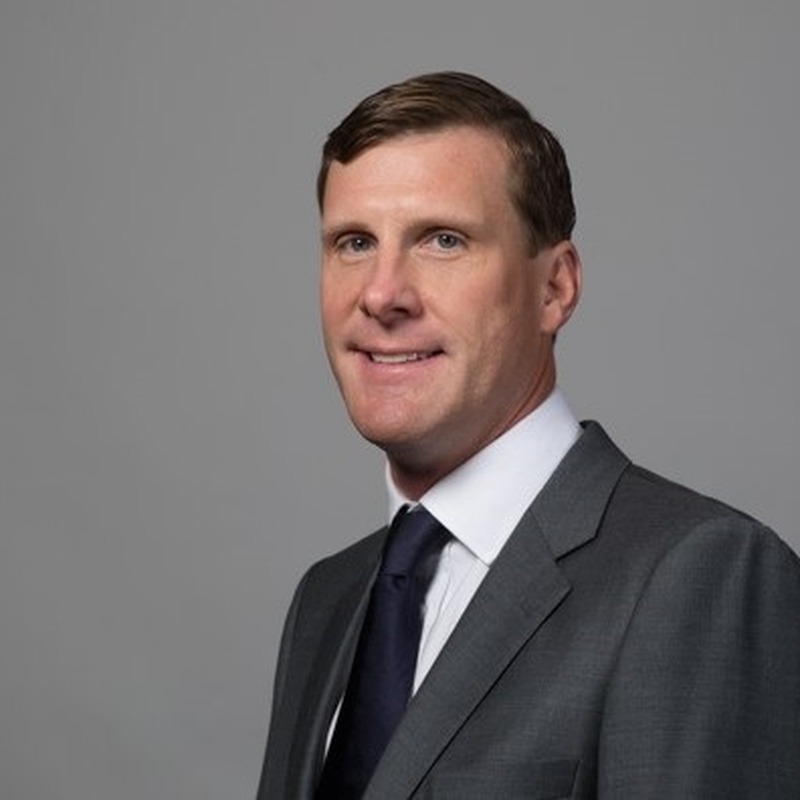
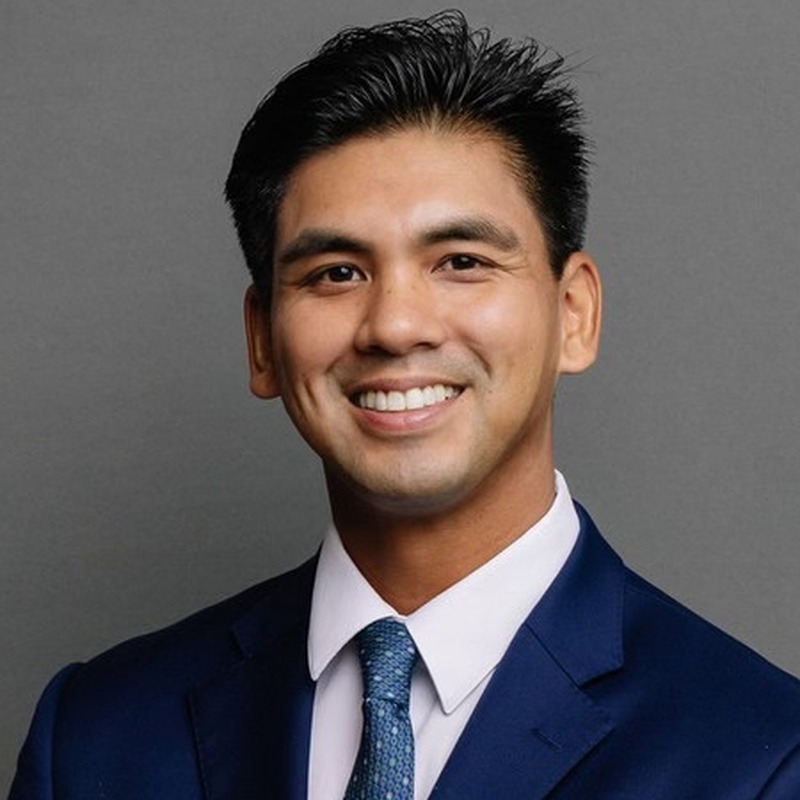
Matthew Zienty leads our Phoenix office. He comes out of more than two and a half decades in institutional finance, including time at Deutsche Bank, SunAmerica Securities, and AIG Financial Advisors, plus a Vice President role overseeing 45 nationwide sales offices. Matthew brings the M&A discipline of a national firm to the Valley of the Sun seat, and works directly with Phoenix-area sellers and buyers from first call through wire. Behind him sits the broader CGK Managing Director bench across the firm’s other offices, available on valuation analytics, sector specialization, and buy-side work whenever a Phoenix deal calls for additional firepower. Greg Knox, CFA backs every Phoenix valuation and the larger M&A engagements where the analytical defense a CFA charterholder brings to LOI-stage pressure makes a material difference.






What Valley of the Sun owners say about CGK.
Wes was outstanding, guiding us through each step, offering perspective and solutions. His dedication, perseverance, and ingenuity made our business sale happen. I strongly recommend Wes and CGK Business Sales.
Suzanne PiispanenThe team at CGK Business Sales did an outstanding job in selling my business. They were professional, responsive, and worked diligently to find the right buyer. I highly recommend their services.
Josh FowlerMaking the decision to sell was tough, but Wes McDonough at CGK was tremendous from start to finish. We confidently entered an agreement thanks to the groundwork by Wes and his team.
Christy GuthrieInside the Blueprint, on Bloomberg TV and Fox Business News.
CGK Business Sales was featured on Inside the Blueprint, the syndicated business television series. Our episode aired on Bloomberg TV and Fox Business News. We are usually the only Phoenix M&A advisors on a Valley of the Sun seller’s shortlist who can point to a Bloomberg appearance. Watch the segment, then start a confidential conversation with our Phoenix team.
Four Valley of the Sun owner stories, four CGK Phoenix engagements.
The four composite seller stories below sit inside the structural Valley of the Sun mix our Phoenix business brokers see most often: a North Scottsdale commercial general contractor sold to a Sun Belt commercial construction platform, a Scottsdale multi-physician dermatology and Mohs practice taken by a Western US derm consolidator, a Roosevelt Row contemporary Mexican concept group sold to a Phoenix-area restaurateur with family-office co-investment, and a Chandler-Tempe pool service route sold to a Sun Belt outdoor-services consolidator. Names, locations, and identifying details are composited; the structural patterns are real. Each story shows what the engagement felt like from the seller’s seat.
How a Loop 101 corridor commercial general contractor found a Sun Belt platform with the Phoenix business brokers who priced the medical-office and tech-corridor backlog correctly.
The Phoenix business brokers carrying Tom’s engagement opened the file by listening, not by listing. Tom is a 4th-generation Arizonan; his great-grandfather emigrated from England in the 1910s and worked the Phoenix-area early construction boom, his grandfather expanded into commercial general contracting in the 1960s after WWII, and his father ran the family GC firm through Phoenix’s first wave of corporate relocations in the 1980s. Tom joined the family business in 1990 after a U of A civil engineering degree, took over in 2005, and repositioned the firm toward the North Scottsdale commercial real estate cycle and the Loop 101 tech-corridor build-out. By the time he called us, the platform cleared $30 million in revenue at a 17 percent EBITDA margin, structurally clean for a Valley of the Sun commercial general contractor of that size. The 92-person W-2 staff carried 20 project managers and superintendents, 26 in-house carpenters and framers, 14 estimators, and 5 LEED-certified architects on retainer. The mix landed at 40 percent commercial general contracting for Scottsdale and Chandler office and retail, 25 percent medical-office construction for Banner Health and HonorHealth campus expansions, 20 percent tech-corridor industrial including TSMC and Intel ecosystem subcontract work, and 15 percent tenant improvements. Top-3 customer concentration sat at a manageable 24 percent, and about 32 percent of revenue ran through long-term commercial real estate relationships. Tom’s wife is an HonorHealth-affiliated radiation oncologist being recruited for a department chair role at Mayo Clinic Phoenix. Their three adult kids are a U of A architecture grad now at a Phoenix firm, a Northern Arizona University outdoor recreation grad now running a Sedona-area guide service, and a Stanford engineering student. Tom wanted the next chapter on AZ Builders’ Alliance board work and on his church’s leadership succession program.
The first call ran fifty-two minutes. Tom walked us through how David Romero, his longtime senior estimator and a fellow U of A civil engineering alum who joined him in 2005, had become the institutional voice on the estimating bench; how the project backlog had stayed durable across two Phoenix commercial real estate cycles; how Sun Belt commercial construction consolidator scouts had been calling the North Scottsdale office twice a month for two years; and how none of those scouts had asked about David or about how the medical-office portion of the backlog rolled through the Banner and HonorHealth referral cycle. He did not know whether the platform numbers he was hearing reflected the commercial construction premium his Loop 101 corridor backlog actually carried or the standard discount that larger consolidators apply by default. We told him what to expect from each band of buyer, then we set up a free valuation walkthrough.
The Phoenix business brokers at CGK walked Tom through a valuation that priced the project backlog correctly across the four mix lines, the medical-office relationship continuity with Banner and HonorHealth, the tech-corridor subcontract work feeding the TSMC and Intel campuses, and David’s continuity at the senior estimating layer. The valuation also flagged what the diligence file would need: a project-by-project backlog waterfall with phase-and-margin detail, a clean medical-office client-relationship-by-account summary, a tech-corridor subcontract maturity schedule, named retention agreements at the PM and superintendent bench, commercial bond performance documentation, latent construction warranty disclosure language, and a clean lease-and-assignment opinion from his commercial real estate counsel. Tom spent four months getting that done. Then we took the platform to market.
Sun Belt commercial construction rollup is structurally active, and the buyer interest reflected it. The blind teaser drew deep buyer interest. The pool was the structural mix the Valley of the Sun commercial construction industry tends to attract at this size: a handful of HNW commercial real estate investor buyers, search funders (commercial construction is a search-funder favorite), several independent sponsors, the heaviest concentration of bidders from mid-market and lower-middle-market PE commercial construction platforms (Sun Belt commercial construction rollup is hot), regional Scottsdale and Phoenix family offices with commercial-services theses, large national strategics with Sun Belt commercial real estate exposure, and a couple of AZ-anchored family offices with semiconductor-corridor theses. Five LOIs advanced to a final round. Tom chose the second-highest headline because the buyer (a PE-backed national commercial construction platform with a Sun Belt regional brand, 24 commercial construction firms in their existing portfolio across AZ, NV, CO, UT, and TX, sponsored by a Phoenix-area mid-market PE fund) committed to keeping all 92 staff with comp-step protections, kept the North Scottsdale headquarters under existing branding, and named Tom as senior strategic advisor for 24 months at one day per week. The deal closed at 76 percent cash at close, 12 percent in a twenty-four-month escrow (longer than the standard twelve to cover commercial bond performance tail risk and latent construction warranty claims), and 12 percent rolled forward as equity in the consolidator’s holding company. When the wire cleared Tom called his father (now 85, in his Paradise Valley home) from the North Scottsdale office in plain English. His father, who built the family’s first North Scottsdale shop in 1962, simply said “You did right by the name, son.” Tom then drove to David Romero’s home and shook his hand on the front porch.
“My great-grandfather poured concrete here in the twenties. The buyer kept the bench together. That is the inheritance.”
How a three-physician dermatology and Mohs practice went to a Western US derm consolidator with the business brokers Phoenix teams who priced procedural derm correctly.
The Phoenix business brokers who carried Sara’s engagement spent the first hour on the practice’s history before any number got written down. Sara’s parents emigrated from Tehran to Phoenix in 1981 following the Iranian Revolution and settled in North Scottsdale’s growing Persian-American community, one of the larger Iranian-American populations in the Western United States. Her father was a U of A-trained engineer who joined a Phoenix-area aerospace contractor; her mother taught Farsi at Scottsdale Community College. Sara graduated U of A College of Medicine in 1996, completed dermatology residency at Mayo Clinic Phoenix, and opened her North Scottsdale practice in 2004 with a focus on medical dermatology, Mohs surgery, and a smaller medical-aesthetics arm. By the time she called us, the practice ran as Sara plus a second dermatologist, a Mohs-trained surgeon, and a PA-C, supported by 24 W-2 staff including 4 medical aestheticians, 3 RNs, and 4 medical assistants. The service mix landed at 45 percent medical dermatology including skin cancer screenings and biopsies, 25 percent Mohs micrographic surgery, 20 percent cosmetic dermatology and injectables, and 10 percent laser and medical aesthetics. Mayo Clinic Phoenix and HonorHealth privileges were active across the clinical team. The payer mix sat at the texture a North Scottsdale dermatology practice tends to carry: roughly 58 percent commercial, 22 percent Medicare, and 20 percent self-pay aesthetic. Revenue cleared $5.4 million at a 28 percent EBITDA margin. Sara’s husband, a Mayo Clinic Phoenix cardiothoracic surgeon, was being recruited for a department chair role at Cleveland Clinic, and the family planned to relocate after the academic year. Sara wanted the practice to continue under operators who would preserve the medical dermatology and Mohs surgery mix rather than tilt it toward aesthetics.
Dermatology PE rollup is structurally hot in affluent Sun Belt corridors, and the buyer profile reflected it. Sara had been approached nine times in two years: four times by national dermatology platform consolidators, twice by aesthetics-focused medical platforms, twice by Western US derm groups expanding into Phoenix, and once by a Scottsdale-anchored healthcare family office. None of those scouts had walked her through how a buyer’s diligence team would price the balance between medical derm and the procedural Mohs revenue line, the Mayo Clinic Phoenix and HonorHealth hospital-privilege continuity, or the institutional weight her senior Mohs-trained colleague Dr. Reza Tabatabai, a fellow Iranian-American clinician who had been with the practice 12 years, carried with the longtime patient panel. She called us the week her husband signed the Cleveland Clinic offer letter.
The first call ran forty-eight minutes. Sara walked us through the founding, the way the North Scottsdale Persian-American community had compounded the practice’s panel through the 2010s, the way Dr. Tabatabai had become the institutional voice on the Mohs floor, and the conversations she had been having with the second dermatologist about whether he wanted to stay through a change of control. The valuation walkthrough showed Sara a band that priced the medical-derm book, the procedural Mohs revenue, the cosmetic injectables line, the laser-and-aesthetics book, the Mayo Clinic Phoenix and HonorHealth privilege continuity, and Dr. Tabatabai’s continuity at the senior surgical layer. The valuation also flagged what the diligence file would need: a payer-mix-by-clinician waterfall with full hospital-privilege documentation, a Mohs-procedure-by-CPT breakout, a cosmetic-aesthetic revenue breakout by procedure category, named-clinician retention agreements with the second dermatologist and the Mohs surgeon, and a clean commercial-payer documentation set. Sara spent four months getting that done. The Phoenix business brokers at CGK took the practice to market.
Scottsdale-corridor dermatology with a balanced medical-derm and Mohs mix draws a deep buyer pool. The blind teaser drew deep buyer interest. The pool was the structural mix the dermatology industry tends to attract in the Valley of the Sun: a few HNW physician-investor buyers, search funders, independent sponsors, the heaviest concentration of bidders from mid-market PE dermatology platform consolidators (the dominant cohort, since derm PE rollup is hot in affluent Sun Belt corridors), aesthetics-focused medical platforms, regional Sun Belt dermatology groups, and a couple of Arizona family offices with healthcare-services theses. Four LOIs advanced to a final round. Sara chose the second-highest headline because the buyer (a PE-backed dermatology platform consolidator with a Sun Belt and Western US thesis and a medical-derm + Mohs balance, 35+ practices in their existing portfolio across AZ, NV, CO, UT, NM, and CA, sponsored by a Phoenix-area mid-market PE fund) committed to keeping all 24 staff and all four clinicians under their current contracts, kept the North Scottsdale office, and named Sara as senior medical advisor for 18 months at one day per week. The deal closed at 80 percent cash at close, 8 percent in a twelve-month escrow for general indemnity, and 12 percent rolled forward as equity in the platform’s holding company. When the wire cleared Sara called her father (now retired in North Scottsdale) from her practice office. A brief Farsi phrase carried it: “Tamum shod, baba.” It is done, dad. Her father, the Tehran-trained engineer who had put her through medical school, simply said “Afarin, dokhtaram.” Well done, my daughter. Sara then walked the practice with Dr. Tabatabai, the two of them standing for a long moment at the door of the Mohs suite.
“My family came here in 1981 with nothing. The buyer kept Reza and the team. That is the inheritance.”
How a contemporary Mexican concept group sold to a Phoenix-area restaurateur with the Phoenix business brokers who priced the multi-generational family-recipe continuity correctly.
Phoenix business brokers who understand the Roosevelt Row Mexican-American culinary heritage made the first call easier. Carlos is a 5th-generation Phoenix-area family. His great-great-grandfather worked the Phoenix-area Roosevelt Dam construction in the 1900s; his grandmother ran a small Phoenix barrio panaderia for 35 years through the 60s to the 90s; his father was a Phoenix Union High School Spanish teacher for 30 years. Carlos trained at Le Cordon Bleu Scottsdale, worked through several Roosevelt Row and downtown Phoenix restaurants, then opened his contemporary Mexican concept on Roosevelt Row in 2012 followed by a second fast-casual unit in the Gilbert and Chandler corridor. By the time he called us, the operation ran as a flagship contemporary Mexican fine-dining restaurant on Roosevelt Row, a smaller fast-casual taqueria in Gilbert, and a small catering operation serving downtown Phoenix corporate events. The concept blends his grandmother’s family recipes from her Phoenix barrio panaderia with contemporary Sonoran cuisine, and the flagship has won regional acclaim including coverage in the Arizona Republic’s Top 10 Phoenix restaurants list. Combined revenue cleared $2.4 million at a 31 percent SDE margin, defensibly clean for a three-restaurant concept of that scale in Phoenix. The mix landed at 55 percent flagship Roosevelt Row dining, 30 percent Gilbert fast-casual, and 15 percent catering for downtown Phoenix corporate events. Carlos’s wife, a Phoenix Children’s Hospital pediatric nurse manager, was being recruited for a regional director role with significant travel; Carlos wanted to be available for their three school-aged kids in Phoenix Union schools, and he had been recruited by a former mentor to advise on a new restaurant concept.
Restaurant M&A at this tier has its own structural pattern. The valuable assets are the family-recipe-anchored brand identity, the three-location lease portfolio across Roosevelt Row and the Gilbert and Chandler corridor, the chef-leadership continuity, and the Roosevelt Row community trust that underwrites a contemporary Mexican concept anchored to a multi-generational Phoenix story. Smaller-tier restaurant groups typically transact on a cash-and-seller-note basis rather than the cash-plus-rollover structure that dominates larger restaurant-platform deals. Carlos had been approached six times in fourteen months: twice by Phoenix-area restaurant operators looking to bolt on a Mexican-cuisine concept, once by a regional Phoenix and Tucson restaurant group running a downtown Phoenix expansion, twice by search funders running an Arizona restaurant thesis, and once by a Phoenix-area Mexican-American restaurateur. None of those conversations had walked him through what a buyer’s diligence team would do with the Roosevelt Row First Friday-anchored seasonality, the Gilbert fast-casual unit economics, or how the chef-leadership continuity through Marco, his lead Phoenix-native Mexican-American chef since the flagship opened in 2012, would be priced inside an LOI. He called us the week his wife committed to the regional director offer.
The first call ran thirty-eight minutes. Carlos walked us through the founding, the way the flagship’s family-recipe menu had compounded into a steady draw for downtown Phoenix regulars and Roosevelt Row First Friday traffic, the way Marco had become the institutional voice on the kitchen line across both restaurants, and the conversations he had been having with Marco about whether he wanted to step up under a new owner. The valuation walkthrough showed Carlos a band that priced the three-location lease portfolio and renewal-option language, the chef-leadership continuity through Marco, the Roosevelt Row First Friday-anchored seasonality, the corporate-catering revenue line, and the Roosevelt Row / Gilbert / Chandler brand identity. The valuation also flagged what the diligence file would need: a clean trailing-eighteen-month covers-per-service waterfall by location and day-part, a Roosevelt Row First Friday seasonality breakout, a named-staff retention agreement with Marco, and a clean lease-assignment opinion from his real estate counsel covering both restaurants. Carlos spent ten weeks getting that done. The Phoenix business brokers at CGK took the group to market.
Smaller-tier restaurant M&A across the Phoenix downtown and East Valley corridors draws a moderate-depth pool with a strong HNW-restaurateur cohort. The blind teaser drew deep buyer interest. The pool was the structural mix the smaller-tier restaurant band tends to attract in Phoenix: a few HNW restaurateur-investor buyers (including a few Phoenix Mexican-American operators looking to add contemporary concepts), search funders, independent sponsors, regional Phoenix restaurant groups, mid-market PE restaurant platforms with ethnic-cuisine theses, and one strategic acquirer with a Sun Belt Mexican-cuisine expansion thesis. Three LOIs advanced to a final round. Carlos chose the highest headline because the buyer (a HNW Phoenix-area restaurateur, Carlos’s mentor from his Le Cordon Bleu Scottsdale days, partnered with a Phoenix-area family office providing equity-gap financing) committed to keeping all 32 staff including the Mexican-American kitchen leadership, kept all three locations operating under their existing brand names, gave Marco the path to step up as executive chef across the group, and named Carlos as creative-and-recipe advisor for 12 months. The deal closed structured as 82 percent cash at close with the remaining 18 percent as a seller note over five years at a market rate, with no escrow and no equity rollover. When the wire cleared Carlos called his grandmother (now 91, still in her South Phoenix barrio home where Carlos grew up) from the Roosevelt Row kitchen in Spanish. A brief Spanish phrase carried it: “Ya está hecho, abuelita.” It is done, grandma. His grandmother, who ran the panaderia for 35 years, simply said “Que Dios te bendiga, mijo.” God bless you, my son. Carlos then walked the dining room one final time with Marco, the two of them standing for a long moment at the kitchen pass on a slow Wednesday afternoon.
“My grandmother’s panaderia recipes carry the menu. The buyer kept the team. That is the inheritance.”
How a Salt River Pima-Maricopa community pool service route sold to a Sun Belt outdoor-services consolidator with the Phoenix business brokers who priced the Native-rooted customer book correctly.
The Phoenix business brokers who walked Tony through valuation understood that a Salt River Pima-Maricopa-rooted pool route carries real value to the right buyer. Tony grew up on the Salt River Pima-Maricopa reservation east of Scottsdale; his father worked as a Salt River Tribal Enterprise facilities-maintenance supervisor for 25 years before retiring. Tony served six years in the US Army (deployed twice to Iraq), separated in 2003, retrained as a commercial pool technician through a Phoenix-area CPO-certified training program, worked for a Scottsdale-area pool company for eight years, and opened his own pool service business in the Chandler and Tempe corridor in 2012. By the time he called us, the operation ran as a residential pool service route plus a small commercial pool service line, $1.4 million in revenue at a 27 percent SDE margin, and an 8-person staff of Tony plus four CPO-certified route techs, two service techs, and one dispatch. The book carried roughly 440 active residential accounts on weekly route plus 25 small commercial accounts including apartment-complex pools, small hotels, and HOA aquatic facilities. Strong relationships across the Salt River Pima-Maricopa Indian Community plus the affluent North Scottsdale and Chandler residential pool ecosystem. Tony’s mother, an SRPMIC elder, was aging and needed more care; Tony wanted to spend extended time on the reservation supporting her, while his wife, a Banner Health Mesa Medical Center RN, was supportive. Tony wanted to phase down to part-time consulting while staying close to the community.
Home-services and outdoor-services rollup is in steady-PE-consolidation mode across the Sun Belt, and the structural pattern at Tony’s tier reflects it. The valuable assets are the multi-year SRPMIC-rooted relationships, the affluent Chandler and Scottsdale residential pool book, the CPO-certified technician bench, and the community trust the shop has built across the last 14 years. Smaller-tier outdoor-services platforms typically transact on a cash-and-seller-note basis rather than the cash-plus-rollover structure that dominates larger trade-services platform deals. Tony had been approached four times in 12 months: twice by national pool-services rollup platforms running Sun Belt expansion theses, once by a regional Arizona pool-services consolidator with a Phoenix metro focus, and once by a search funder running a Valley of the Sun outdoor-services thesis. None of those conversations had walked him through how a buyer’s diligence team would treat the small-commercial pool revenue line, the multi-year residential-customer-tenure pattern, or how Daniel, his longtime lead route technician and a fellow SRPMIC community member who joined Tony in 2014, sat at the institutional center of the route operation. He called us the week his wife confirmed she could shift her nursing schedule to support his mother’s care.
The first call ran thirty-three minutes. Tony walked us through the founding, the way the SRPMIC community network had carried generational customer loyalty across the East Valley, the way Daniel had become the institutional voice on the route, and the conversations he had been having with his service techs about whether they wanted to stay through a change of control. The valuation walkthrough showed Tony a band that priced the residential weekly route book, the small commercial pool line, the repair-and-equipment retail line, the CPO-certified bench, and Daniel’s continuity at the lead-tech layer. The valuation also flagged what the diligence file would need: a customer-retention waterfall by route and tenure, a commercial-pool revenue breakout by client, a tech-by-tech revenue and tenure schedule, a named-staff retention agreement with Daniel, and a clean CPO certification continuity opinion. Tony spent seven weeks getting that done. The Phoenix business brokers at CGK took the company to market.
Outdoor-services M&A at the smaller Sun Belt trade-services tier draws a steady pool with a strong HNW operator-buyer cohort. The blind teaser drew deep buyer interest. The pool was the structural mix the smaller-tier outdoor-services band tends to attract in the East Valley: a few HNW operator-buyers (owner-operators in their 30s and 40s looking for a Phoenix-area turnkey pool route), search funders (a small handful), independent sponsors, regional Arizona pool service consolidators, mid-market PE pool service rollup platforms (a growing cohort, since pool service consolidation is hot across the Sun Belt), and one strategic acquirer with a Native-owned business acquisition mandate. All five LOIs advanced to a final round at Tony’s tier. Tony chose the highest headline because the buyer (a PE-backed national pool service consolidator with a Sun Belt regional brand, 35+ pool service routes in their existing portfolio across AZ, NV, CA, and TX, sponsored by a Phoenix-area lower-middle-market PE fund with an outdoor-services rollup thesis and a stated commitment to community-rooted small-business growth) committed to keeping the business open under existing branding, kept all 8 staff with comp-step protections, named Tony as senior route-development advisor for 18 months at half-time, and committed to community programs supporting Native-owned entrepreneurship in the Phoenix metro. The deal closed structured as 78 percent cash at close with the remaining 22 percent as a seller note over three years at a market rate, with no escrow and no equity rollover. When the wire cleared Tony called his wife (the Banner Health Mesa RN) from the Chandler office in plain English. Then he drove to the reservation to share the news with his mother in person, bringing her favorite pastries from a South Scottsdale bakery. His mother simply said “Your father would be proud.” Tony then thanked Daniel, his longtime fellow SRPMIC community member and lead route technician, in person back at the Chandler shop.
“My mother needed me closer to home. The buyer kept Daniel in his seat. That is the inheritance.”
If any of these stories sound like you, start with a free Phoenix business valuation.
The composites above are different industries, different sizes, different deal structures. They are the same engagement, run the same way, by the same named CGK Phoenix lead. The first conversation is free. The verbal valuation that follows is free for any Valley of the Sun owner seriously thinking about selling on any horizon: a year, five years, longer.
Confidential. No obligation. Direct routing to a named principal.
Talk to a Phoenix Business Broker
A senior CGK Phoenix principal will respond within one business day. For Valley of the Sun owners with $1.5M+ in annual revenue.
The buyer pool the Phoenix business brokers at CGK actually run process for.
Buyer-pool depth separates a structured M&A process from a one-off conversation. The Valley of the Sun buyer pool is structurally deep across most of the industries we close, anchored by the TSMC and Intel Chandler semiconductor corridor, the Banner Health and Mayo Clinic Phoenix healthcare cluster, the Scottsdale resort and Cactus League tourism economy, the Luke AFB and Honeywell Aerospace defense base, and the Sonoran Desert real estate cycle that has redrawn North Scottsdale, Chandler, Gilbert, and the West Valley.
Sun Belt PE platforms with semiconductor-corridor and commercial construction theses. Mid-market and lower-middle-market PE platforms with Sun Belt, Southwest, and Western US theses run continuous outreach into the deals our Phoenix business brokers carry: commercial general contractors, medical-office construction shops, tech-corridor industrial subcontractors, and HVAC and trades platforms feeding the TSMC and Intel ecosystem. The Sun Belt PE bench treats Phoenix commercial construction and trades as a preferred entry vertical because the project-backlog math along the Loop 101 corridor is structurally durable and the population growth pipeline keeps the demand side anchored.
North Scottsdale and Paradise Valley family offices with semiconductor-corridor and healthcare theses. The North Scottsdale and Paradise Valley family-office bench, the Arcadia and Biltmore affluent-family layer, and the Phoenix-area family offices that compounded through the 2010s and 2020s run continuous outreach into Greater Phoenix healthcare specialty practices, ancillary services, commercial construction platforms, semiconductor-corridor industrial suppliers, and Valley of the Sun niche businesses in the lower-middle-market band where they can hold for decades. The Phoenix family-office cohort frequently pays the highest premium when the long-hold thesis aligns and the operating-talent continuity is intact.
Healthcare PE platforms with Mayo Clinic Phoenix and Banner Health network theses. The Sun Belt healthcare PE rollup wave compounds quarter over quarter. Dermatology consolidators, cardiology platforms, orthopedic platforms, behavioral-health platforms, and primary-care consolidators all carry continuous outreach into Phoenix, Scottsdale, Chandler, Gilbert, Mesa, and the broader Valley of the Sun specialty practice book. Mayo Clinic Phoenix, Banner Health, HonorHealth, and Dignity Health Arizona privilege continuity shapes the LOI floor that Phoenix business brokers can defend on Maricopa County specialty practices.
Phoenix-anchored mid-market PE funds with Southwest theses. A growing cohort of Phoenix-anchored mid-market PE funds, family-office-adjacent independent sponsors, and Sun Belt growth-equity firms run continuous outreach into Valley of the Sun lower-middle-market platforms across the entire vertical map: healthcare services, outdoor services, professional services, manufacturing and industrial services, and aerospace-and-defense suppliers. Local capital tends to compete aggressively on operator continuity and on the buyer-seller relationship pattern, not just on headline multiple.
Sun Belt regional consolidators across outdoor services, home services, and auto repair. Sun Belt regional consolidators in pool service, HVAC, plumbing, electrical, landscaping, and auto repair run continuous outreach into Chandler, Gilbert, Mesa, Glendale, Peoria, Surprise, and broader Valley of the Sun trade-services platforms above $300K SDE. Phoenix’s population-growth pattern through the 2010s and 2020s built one of the deepest trade-services books in the Western United States, and consolidator attention shows up every quarter.
AZ restaurant groups and Sonoran-cuisine strategic acquirers. Regional Phoenix and Tucson restaurant groups, mid-market PE restaurant platforms with ethnic-cuisine theses, and strategic acquirers operating on the Sonoran-cuisine expansion thesis target Phoenix restaurant, lodging, and tourism platforms with Scottsdale resort-corridor seasonality exposure and Roosevelt Row community-identity narrative. Industry strategics frequently pay the highest premium when the synergy math is real and the seasonal-revenue documentation is clean, and our Phoenix M&A advisors stage those conversations carefully so confidential information does not leak into trade press while a process is live.
Greater Phoenix submarkets we serve.
Greater Phoenix and the Valley of the Sun are not one market. The CGK Phoenix business brokers run engagements across these twelve submarkets and the sectors that anchor each. Matthew runs engagements in every one.
Preparing to sell your Phoenix business.
The work between deciding to sell and going to market is what determines the final price. Most of it stays invisible to the seller until a sophisticated diligence team starts asking the right questions.
Twelve to eighteen months before your target close date. This is the window where Phoenix business brokers get retention agreements formalized, documentation gaps surfaced and fixed, and the financials kept in the shape a buyer’s diligence team will want to see. Tom used the runway to put David Romero and his senior estimating bench on multi-year retention with comp-step protections, plus PM and superintendent retention agreements across his 92-person staff. Sara used it to build a payer-mix waterfall by clinician with full Mayo Clinic Phoenix and HonorHealth privilege documentation and a Mohs-procedure-by-CPT breakout. Carlos used it to document covers-per-service-by-day-part across both Mexican restaurants and to lock the named-staff retention agreement with Marco. Tony used it to build a customer-retention waterfall by route and tenure and a tech-by-tech revenue and tenure schedule with a named-staff retention agreement on Daniel. None of that work happens cleanly in a sixty-day rush.
After a clean recent track record, not before. Buyers underwrite the trailing twelve months heavily, and the cleanest LOI cycles run when the most recent two quarters land as growth quarters with stable margins. If the industry is in the middle of a cycle (a commercial general contractor mid-project-phase, a dermatology practice mid-payer renegotiation, a Scottsdale-resort-exposed hospitality platform mid-seasonality swing), let the revenue mature before going out. Phoenix tourism-exposed restaurant, lodging, and outdoor-services platforms tend to read cleanest after a full Sonoran Desert peak-shoulder-trough cycle has closed and the trailing-twelve-month story has stabilized.
Once the owner-dependency story has been cleaned up. The single most expensive diligence finding is a buyer’s review team finding that the owner is the binding constraint on customer, regulatory, payer, or referral relationships. The fix is to put a layer of named lieutenants between the owner and each binding relationship, document the handoff, and let the relationships season for six to twelve months before going to market.
Once the tax and estate work is in place. A larger, privately-held Arizona sale almost always carries tax-structuring optionality the seller does not see until they are inside the LOI cycle: stock versus asset, F-reorganization for QSBS-eligible C-corps, Arizona state-tax allocation, installment-sale considerations, and charitable-remainder trust structures. The right financial advisor with trust attorneys, CPA, or tax attorney engaged twelve months before close pays for itself several times over on larger Phoenix deals.
Owners who run the runway tend to clear the prices that show up in trade-press coverage. Owners who compress it into a sixty-day pre-market sprint learn what a discounted price looks like in real time. Either way, the Phoenix business brokers at CGK will tell you the truth about which path you are actually on.
When to call Phoenix business brokers.
Five trigger events keep showing up in the first conversation with our Phoenix business brokers. Any one of them is enough to start.
High urgency, low readiness. Call us now and we will guide the compression. A health event. A partnership disagreement. An unsolicited offer moving fast. We can run a process inside a tight window. The compression will show up in the final price, and we will be honest about what it costs. Calling early, even when the business is not yet ready, is almost always the better path than waiting until the timing forces a decision.
Low urgency, low readiness. Call us eighteen to twenty-four months out and use the runway. You are thinking about selling but the team is not built and the books are not clean. The free verbal valuation walkthrough is most useful here. We use the runway to fix what would otherwise discount the price: building the next layer of management, cleaning up the trailing twelve, getting the documentation in shape buyers will want to see.
High urgency, high readiness. Call us today and we go to market. Your trailing twelve months are strong. The team is deep. The customer or referral pipeline is the cleanest it has been in years. A life event has shifted your timeline. Selling from a position of strength is what gets you the highest prices Phoenix typically sees.
Low urgency, high readiness. Call us when you want to know what the business is worth. No commitment to sell. The free verbal valuation walkthrough is open to any Phoenix owner thinking about a sale on any horizon, including no specific horizon. Most of our best Phoenix engagements start with this conversation a year or more before the transaction.
Whichever quadrant fits you, start the conversation.
Start with a confidential conversation. A senior CGK Phoenix principal will respond within one business day to schedule a free verbal valuation, in person, or by Zoom.
Confidential. No obligation. Direct routing to a named CGK Phoenix principal, not a junior screener.
Frequently Asked Questions
Practical answers to what comes up most often when Valley of the Sun owners are evaluating Phoenix business brokers to take their company to market. Each answer below reflects how the Phoenix business brokers at CGK actually answer these in the first call.
We Know Phoenix.
Phoenix is Camelback Mountain’s iconic profile at golden hour, Piestewa Peak and the Phoenix Mountains tracing the city skyline, Papago Park and the Desert Botanical Garden under a January-blue sky, the Heard Museum’s Native arts collection on Central Avenue, the Musical Instrument Museum out near the Pinnacle Peak corridor, Roosevelt Row’s First Friday art walks rolling through the warehouse district, Downtown Phoenix’s revival pulling new energy back to Central and Washington, Old Town Scottsdale’s preserved 1880s feel a few blocks off the Scottsdale Waterfront, Salt River Fields and the Cactus League across the Valley every February, Pinnacle Peak Park and the McDowell Sonoran Preserve, the Loop 101 tech corridor build-out and the TSMC and Intel Chandler campuses changing the East Valley skyline, Sonoran Desert sunsets that paint the McDowells in pink and orange, the Phoenix Suns at Footprint Center, the Diamondbacks at Chase Field, Sedona’s red rocks two hours north, the Grand Canyon weekend trip, monsoon season afternoons that drop the temperature ten degrees in an hour, the Arizona Biltmore’s Frank Lloyd Wright influenced architectural heritage, Taliesin West out near Cave Creek, the Salt River and the Pima-Maricopa adjacent tribal communities, the Heard Museum’s Indian Fair & Market every spring, the Heritage Square historic district downtown, and Tovrea Castle on Van Buren still standing on its desert hill. Phoenix is the city the Valley of the Sun owners we work with built their companies inside. CGK’s Phoenix address is 40 N Central Ave, Phoenix, AZ 85004, but most of our work with Phoenix metro owners happens at the seller’s business or by Zoom.
We know the Banner Health and Mayo Clinic Phoenix and HonorHealth and Dignity Health Arizona hospital cluster pulls a deeper specialty-practice and ancillary-services M&A market into Phoenix than the city’s population alone would suggest, and we work that buyer pool every quarter. We track the TSMC and Intel Chandler build-and-ramp cycle and the way Sun Belt commercial construction and semiconductor-corridor industrial consolidation ripples through Greater Phoenix trade-services platforms, and we work the Valley of the Sun deal market alongside the convening work of the Greater Phoenix Chamber of Commerce, the Greater Phoenix Economic Council, and the Arizona Commerce Authority.
We know Phoenix is breakfast at a Roosevelt Row cafe on a Saturday morning, the climb up Camelback’s Echo Canyon trail before sunrise, the way Piestewa Peak catches first light from the Squaw Peak Drive lookout, Old Town Scottsdale on a Friday night with the gallery walk in full swing, the Scottsdale Waterfront on a warm spring evening, the Diamondbacks home opener at Chase Field, the Suns at Footprint Center on a Tuesday in February, the Cactus League across Salt River Fields and the Scottsdale Stadium and Camelback Ranch, the Desert Botanical Garden at twilight in March, the Heard Museum’s gallery floors, the Musical Instrument Museum’s performance hall, Roosevelt Row First Friday after the gallery doors open, the Phoenix Theatre Company on a Wednesday, a Sonoran hot dog from a downtown stand, the South Phoenix barrio panaderias, the Mesa Riverview hospitality corridor, the Anthem foothills at dusk, the McDowell Sonoran Preserve trailheads at the Gateway Loop, Taliesin West in late afternoon, the Heritage Square historic homes, Tovrea Castle on its desert hill. We know North Scottsdale and Kierland, Paradise Valley and Arcadia, Old Town Scottsdale and Camelback East, Chandler and Gilbert, Tempe and Mesa, Glendale and Peoria, Surprise and the West Valley, Anthem and North Phoenix, Roosevelt Row and Downtown Phoenix.
We are members of the International Business Brokers Association (IBBA) and M&A Source. We carry a CFA, a CMT, a CAIA, an FDP, an MBA, and a Master of Data Science. If you are a Valley of the Sun owner thinking about how and when to sell your business, or hunting for the right Arizona acquisition through our buy-side advisory, or want a confidential business valuation, the Phoenix business brokers at CGK know this city and the Valley of the Sun buyer pool. Call (602) 714-7470 or submit the form to start.
Latest from the CGK blog.
Recent commentary on selling, buying, and valuing privately-held businesses, fresh from CGK and the Phoenix M&A advisor bench.

AI productivity tools are quietly compressing operating cost lines and re-shaping the multiples sophisticated buyers are willing to pay. Owners going to market in 2026 need to understand how a buyer’s deal team prices the AI lift before signing an LOI, because the valuation gap between AI-mature and AI-naive businesses is widening fast. […] Read More

Stock vs. asset structure, F-reorganizations, QSBS eligibility, installment-sale considerations, and state-tax allocation can each shift net proceeds by tens of thousands or more. The 2026 update walks privately-held owners through the structuring decisions that have to be made twelve months before close, not at LOI. […] Read More

SBA 7(a), conventional senior debt, mezzanine, seller notes, rollover equity, and earn-outs each carry different cost-of-capital, covenant, and risk profiles for the buyer. The post breaks down how each layer interacts with the seller’s preferred structure and where most first-time acquirers misprice their financing structure. […] Read More
Start with a confidential conversation. No commitment.
Submit a brief profile and the Phoenix business brokers at CGK will reach out within one business day. The first conversation is always free, and the verbal valuation that follows is free for any Valley of the Sun owner seriously thinking about selling on any horizon.
Strictly confidential. No pressure. Direct routing to a named CGK Phoenix principal, not a junior screener.
Talk to a Phoenix Business Broker
A senior CGK Phoenix principal will respond within one business day. For Arizona privately-held companies with $1.5M+ in revenue.
Or scroll up to the seller-profile form in any of the three valuation blocks above. Direct routing to Matthew Zienty, not a junior screener.
Confidential. No obligation.
Sell your Phoenix business by industry vertical.
CGK Phoenix business brokers serve owners across healthcare, HVAC, pool services, restaurants, cleaning services, and mechanical contracting industries. Each industry has its own diligence cadence, buyer pool, and value-driver story. Click any card below to see the playbook for your industry.
Medical Practices
Sell a Phoenix medical practice with Banner Health, Mayo Clinic Phoenix, HonorHealth, and retirement-market credentialing diligence.
Visit pageHVAC
Sell a Phoenix HVAC business with desert climate demand, recurring residential and commercial service, and Sun Belt growth diligence.
Visit pagePool Services
Sell a Phoenix pool services business with desert-density pool inventory, recurring service routes, and Sun Belt diligence.
Visit pageRestaurants
Sell a Phoenix restaurant business with concept transferability, lease analysis, and tourism-driven F&B market diligence.
Visit pageCleaning Services
Sell a Phoenix cleaning services business with commercial recurring contracts, route density, and Sun Belt market diligence.
Visit pageMechanical Contracting
Sell a Phoenix mechanical contracting business with commercial HVAC, refrigeration, and Phoenix construction boom diligence.
Visit pageCGK has offices across the country.
Whichever office you reach, you get the entire firm. Click any city to learn about that local market, or click the business broker page link to see the local broker landing.
Colorado Springs, CO 80903