
Denver Business Brokers Who Sit With You Before They Sell For You.
You have built this through Front Range winters, Stock Show weeks, and DJ Basin oil-cycle whiplash. You know which customer has been with you since the Buckley AFB days before it became a Space Force base, and which dispatcher reads the difference between a Wheat Ridge run and a Centennial run when an October squall rolls down off the Continental Divide. Selling your business is not a transaction question. It is a question about what happens to the people who trusted you, what your life looks like on the other side of the wire, and whether the timing fits the rest of the story you are still writing. Our Denver business brokers and M&A advisors sit with you in that decision before we run the process.
We love when you call, though we spend most of our time on the phone closing deals for owners like you. The form below is the fastest way to reach a CGK Denver principal directly. They reply within one business day, usually much sooner.
🔒 Strictly confidential. Direct routing to a CGK Denver principal, not a junior screener. We never share inquiries with anyone.
“Most of the Denver and Front Range owners we sit with do not call us ready to sell. They call because something has shifted, and they want to think it through with someone who reads both the financials and the part of the decision that does not show up in a spreadsheet.
We start there.”
A note from Greg Knox · Managing Principal, CGK Business Sales
Questions Greater Denver owners are asking themselves right now.
These are the questions that show up at four in the morning before any of it is shared. Our Denver business brokers have heard each of them across years of Front Range engagements with Greater Denver owners.
How Denver business brokers at CGK actually run a sell-side engagement.
Nine of every ten engagements our Denver business brokers carry close while the broader brokerage industry sits closer to two in ten. The gap comes from two halves of disciplined work, run in the right order, by the same named principal. Here is what each half looks like from the seller’s seat.
CGK has handled Denver business sales across construction, healthcare services, and outdoor products, from first valuation through funded close.
Nine of every ten CGK Denver engagements close. The industry average is closer to two in ten. That gap is not luck and it is not a slogan. It comes from two halves of disciplined work done well, in this order, with the same named principal carrying both.
Front half: the discipline before market opens.
The price of your Denver business is mostly determined before the first buyer ever sees a teaser. The free walkthrough sits with you on the model first. If a documentation gap is going to cost you money during a buyer’s review, we say so up front and help fix it. If a single key relationship that lives in your head is going to surface as a risk when the buyer asks the right question, we flag it and help you build the next layer of management around it. If the right answer is “wait six months and let the year finish landing the way it is going to land,” we will tell you straight rather than push you to list.
The same named principal who walks you through the free walkthrough also builds your Confidential Information Memorandum. The CIM is written for the specific buyer pool that will set your price. A cleared-workforce aerospace and defense services contractor along the Buckley Space Force corridor gets contract maturity laid out by program, cleared headcount documented to the TS/SCI tier, and Space Force and DoD assignment timing written for a buyer who actually evaluates government services platforms. A Cherry Creek internal medicine and concierge practice gets payer mix by physician, the concierge retainer breakout, and UCHealth and SCL Health privilege language written for a primary-care platform buyer. A Park Hill Ethiopian restaurant group gets covers by day-part by location and the community-identity story written for a restaurateur-buyer’s lens. Every page has to defend a number, not just describe a business.
Outreach goes out as a blind teaser that never names the company. Every serious buyer signs an NDA before the CIM is released. Information moves to buyers in tiers across the cycle: summary financials and the buyer thesis go out at NDA, detailed financials and customer-concentration breakouts follow after the LOI lands, and the most sensitive material (named customer rosters, cleared-staff identities, supplier-specific exposure) is held until the deal is well into the purchase agreement stage and the structure is essentially locked. That sequencing is the part most listing brokers skip.
Back half: the discipline between LOI and wire.
The work after LOI is where most engagements quietly lose grip on the file. The buyer’s analyst team runs their review. Their lawyer drafts a first version of the purchase agreement that almost always softens the LOI terms in the buyer’s favor. The escrow gets proposed at the buyer’s template number instead of one calibrated to your industry. Open questions from the review pile up. The seller’s operating week gets eaten by document requests that should have been handled by a coordinator. Six months in, the deal that looked locked at LOI is suddenly being renegotiated on the buyer’s preferred terms.
We run the back half deliberately. The LOI terms get defended in every draft of the purchase agreement, not surrendered in the first revision. The escrow holdback gets sized to your business’s real risk profile, not the buyer’s template number. Open review questions get answered before they calcify into deal-killers. The schedule gets coordinated so the buyer’s review work does not bleed into your operating day. The named CGK principal who opened the engagement sits in every closing-side conversation, every diligence call, every purchase-agreement red-line review, every escrow negotiation. The same person who walked you through the free valuation sits across the closing table when the wire clears.
Front-half discipline gets you to LOI at a strong price. Back-half discipline gets you to wire on the LOI you signed. Both halves are required, and neither one carries an engagement on its own.
Start with a free Denver business valuation conversation.
A Denver business valuation our Denver business brokers run does three different jobs across the engagement: it opens the conversation, it stands up to outside readers when one is needed, and it defends the price at the LOI table. Here is how each one works.
Most business valuation firms Denver owners find online produce templated reports. Our Denver business valuation work is built from actual market comps and reviewed by a CFA charterholder.
A Denver business valuation is not a single document. Three moments matter in a CGK Denver engagement, and we know what each one is for.
Moment one: the free walkthrough at the front.
Every CGK Denver seller relationship opens the same way. A senior CGK principal sits with you, in person or by Zoom, opens our valuation model calibrated to your specific Front Range business, and walks you through the price band you are likely to clear in today’s Denver buyer pool. You see the methodology, the comparable transactions, the buyer-pool depth, and the math behind the band. You leave with a verbal range and a clear picture of next steps. The walkthrough is free for any Greater Denver owner seriously thinking about selling on any horizon, whether the target is a year out, five years out, or “I just want to know what the number actually looks like.” There is no obligation to engage CGK afterwards.
Moment two: the written memo for an outside reader.
Some Denver owners need a formal written valuation memo deliverable to a third party: a CPA, an attorney, a spouse, an SBA lender, the IRS, a Colorado court overseeing a partnership buyout, an estate-planning advisor, or an ESOP trustee. That work sits outside the sell-side engagement as a separate fixed-fee project. The deliverable is a written memo carrying four independent valuation approaches, an executive summary, and a frank conversation about the specific items that could lift the number before the business goes to market. If you later engage CGK to sell the business, the written memo work credits against the success fee.
Moment three: the analytical defense at the LOI table.
When LOIs land and the buyer’s team starts pushing on the price, the valuation work earns its keep. Sophisticated Denver buyers (Front Range PE platforms, DTC family offices, Rocky Mountain consolidators, industry strategics) will press hard on the number with their own analytical team. CGK’s role is to hold the price up under that pressure with model defense, comparable-transaction backup, and industry-specific argument. A defensible Denver valuation becomes the floor on your deal. A soft one becomes the ceiling. Greg Knox, CFA, the CGK Principal carrying the CFA charter (one of very few business brokers a Greater Denver owner can hire with that credential), backs the analytical defense on every Denver engagement that needs CFA-level rigor at the LOI table.
Start with a confidential conversation.
A senior CGK Denver principal will respond within one business day to schedule a free verbal valuation, in person, or by Zoom. For Greater Denver owners with $1.5M+ in annual revenue. Strictly confidential. No commitment.
Confidential. No obligation. Direct routing to a named CGK principal, not a junior screener.
Buy a Colorado business with CGK Denver business brokers.
Three kinds of buyers come through our Denver business brokers: the first-time HNW operator stepping into business ownership, the search funder or family office or PE platform running a Colorado thesis, and the strategic acquirer or consolidator sourcing add-ons. Each gets a different engagement built around the same senior representation.
Buyers come to CGK Denver in three distinct shapes. The engagement is built differently for each one. CGK Denver runs as a team-coordinated market: each buy-side engagement gets a single named CGK principal who carries the file start to finish, drawn from the firm’s full Principal bench. Greg Knox, Managing Principal and CFA charterholder, backs every Denver buy-side analysis with the model defense a CFA charterholder brings. The broader bench supports target search, financial review, and close coordination across the firm’s national footprint. Buy-side and sell-side are separate engagements with separate compensation; we never represent both sides of any single deal. Exploring the market before engaging? Our guide to buying a business in Denver covers the buyer landscape first.
The first-time HNW operator.
If you are an executive, a successful operator from another industry, or a high-net-worth professional looking at acquiring a Front Range business for the first time, the CGK Micro Private Equity Program is built for you. The program is reserved for first-time, high-net-worth operator-buyers who want CGK as a long-term partner rather than a one-time advisor. We trade the standard transaction fee for a small equity stake in the platform you acquire. The trade is straightforward: more cash stays with the business at closing, CGK keeps real skin in the game alongside you, and we keep working together to source add-on acquisitions and bolt CGK’s operating support onto your platform. Micro PE participants also see off-market Front Range and Rocky Mountain acquisitions sourced through CGK’s cross-office relationships and existing pipeline. If you are open to CGK as a long-term equity partner, mention “Micro PE” in the buyer profile form. The Micro Private Equity Program is not available to search funders, PE platforms, or family offices.
The search funder, family office, or PE platform.
Search funders running a Denver or Front Range thesis, Cherry Creek and DTC family offices with healthcare, industrial-services, or aerospace and defense theses, and lower-middle-market PE platforms running Rocky Mountain rollups all engage CGK Denver on a standard buy-side basis. The work runs as a separate mandate from any sell-side engagement, with separate compensation. We build the target search around your investment thesis, source deals across our cross-office pipeline, support financial review, structure the deal, introduce lenders where appropriate, and coordinate close. Submit the buyer profile form, and CGK adds you to a curated buyer list that we reach into when an active Front Range engagement aligns with your stated criteria, capital, and timeline.
The strategic acquirer or industry consolidator.
Strategic acquirers operating along the Front Range industrial corridor and the Mountain West, regional government-services consolidators with Rocky Mountain footprints, primary-care and specialty-medicine consolidators with Colorado theses, and home-services rollups with Northwest Denver corridor focus engage CGK Denver to source add-on acquisitions inside their existing platforms. The CGK Denver book sees inventory across the entire national CGK footprint, not just the Colorado book, so a strategic looking for a Front Range add-on with a complementary footprint in another CGK market sees both at once. Industry strategics frequently pay the highest premium when the synergy math is real. Submit the buyer profile form to start.
Submit your buyer profile.
Submit the form below for a senior CGK Denver principal to review. CGK keeps a curated buyer list and reaches out when an active engagement aligns with your stated criteria, capital, and timeline.
Confidential. Your profile is added to CGK’s curated buyer list. We reach out when an active Colorado engagement aligns.
From first Denver conversation to wire transfer.
Most engagements our Denver business brokers carry run six to twelve months from signed engagement to wire transfer. Some clear in three to six. Healthcare-services groups, commercial-construction platforms with clean project-backlog schedules, and home-services groups tend to land toward the faster end of the window when the diligence file is already in shape. Aerospace and defense services platforms, cleared-workforce contracts with prime-and-subprime assignment-timing tails, and energy-services platforms with DJ Basin price exposure tend to run longer because of contract assignment timing, security-clearance continuity verification, and price-band stability cycles. Here is what a typical seller journey looks like, stop by stop.
Confidential conversation
You call us or submit the form. We listen. No pressure, no commitment. Our Denver business brokers tell you whether and when CGK is the right fit.
Free verbal valuation
A senior CGK principal, with Greg Knox, CFA backing the analytics, in person or by Zoom, walks you through our valuation model and the price range your Denver business is likely to clear.
Engagement & prep
A signed engagement lands on a success-fee basis. We help close the items that affect the final price: financial recasting, document cleanup, and the management-team questions buyers will dig into. Colorado-specific items get sequenced into the diligence file early.
To market & buyer process
Blind teaser drops, the full Confidential Information Memorandum follows, a structured data room opens, and a multi-buyer competitive process runs under NDA. Indications of Interest come in over the cycle.
LOI & diligence
Between LOI and wire, two teams have two jobs. The buyer’s team runs their review, financial and legal. Our team runs everything else: enforcing the LOI terms on the buyer’s purchase agreement drafts, sizing the escrow to your business’s real risk profile, and coordinating the schedule so the buyer’s review work does not bleed into your operating day. The months between LOI and wire are where weak engagements lose grip. We keep ours tight.
Closing & wire
Closing happens. Documents drafted, escrow structured, wire instructions confirmed. Your operating team carries on with the compensation continuity and named management contact a strong handoff requires.
The industries anchoring the CGK Denver book.
Denver sits at the intersection of the Lockheed-Boeing-Buckley aerospace and defense corridor, a deepening Front Range healthcare cluster anchored by UCHealth and Centura and Children’s Colorado, a long-running commercial construction boom, and a tourism-and-recreation overlay that runs from Coors Field to Red Rocks to the I-70 ski-country gateway. The DTC private equity bench, the Cherry Creek and Greenwood Village family-office layer, and the Wheat Ridge and Lakewood trade-services book each pull a specific buyer pool. CGK Denver engagements span both High Main Street and lower-middle-market bands.
Plus deal experience across 30+ industries. Don’t see yours? Our Colorado business brokers have closed deals in almost every Front Range industry, including some very niche businesses.
Meet your Denver business brokers and the national bench behind them.
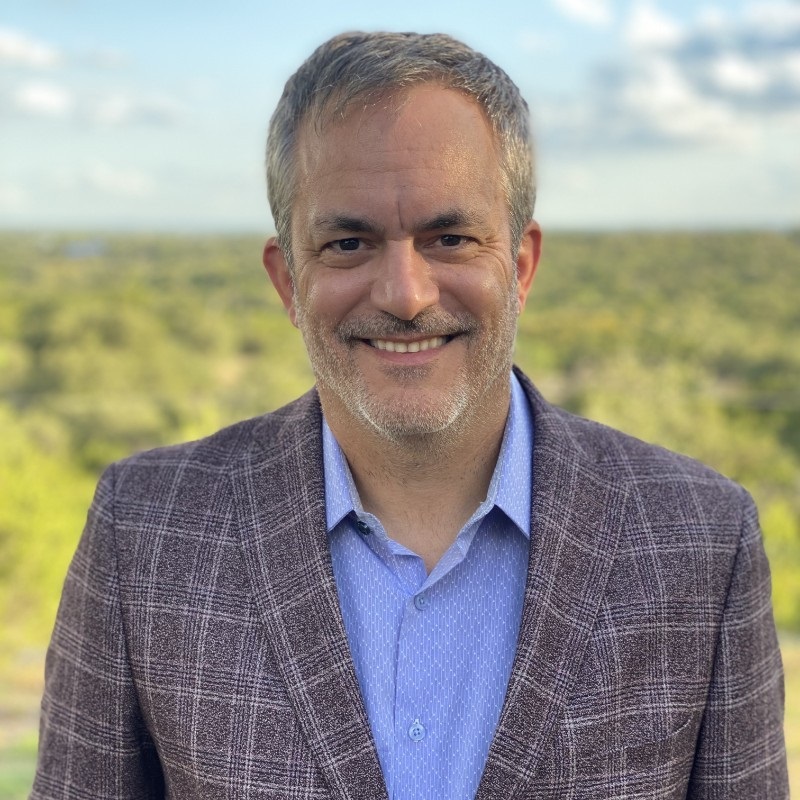
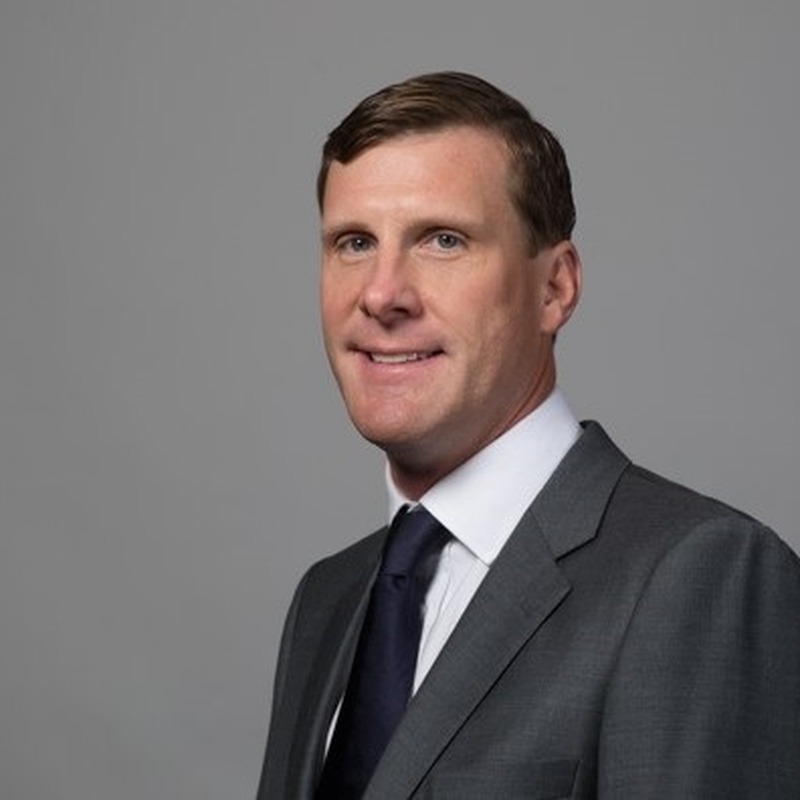
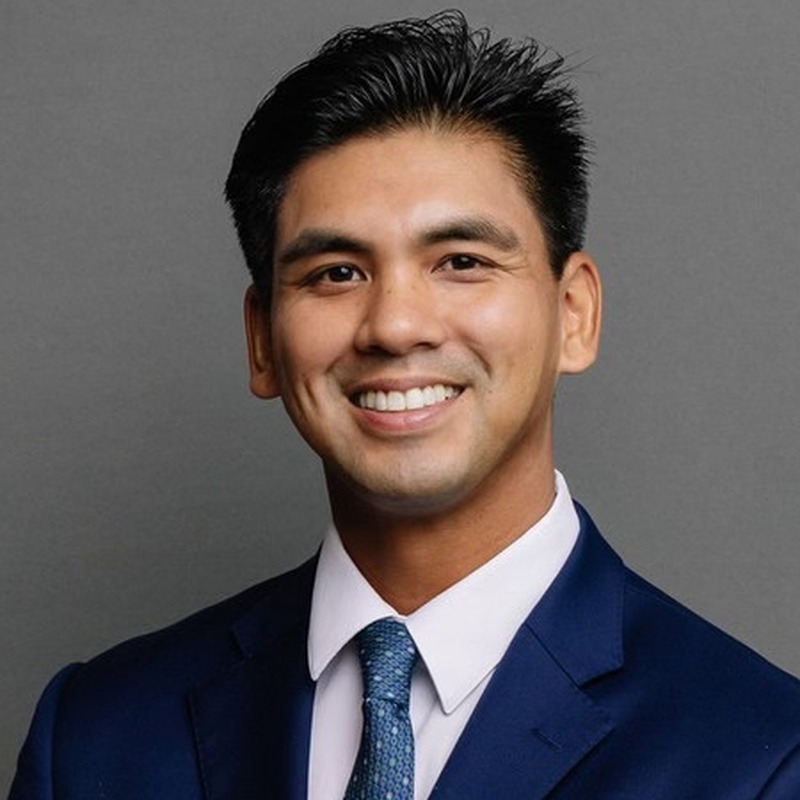
CGK Denver runs as a team-coordinated market, not a one-principal office. The full CGK Principal bench carries Denver engagements: Derik Polay brings more than twenty years of M&A, distressed securities, and capital-markets work. Wes McDonough brings twenty-five-plus years of M&A, corporate finance, and entrepreneurial operating experience. Myres Tilghman brings a twenty-five-year career in finance and capital markets with eighteen years trading international derivatives. Matthew Mistica brings fifteen-plus years of finance and entrepreneurship with seven years of corporate finance at Chevron and Shell. Jason Clendaniel brings a Naval Academy economics background plus a decade in Navy service and a decade in S&P 500 sales and M&A. Eric Lewis brings twenty-plus years across Goldman Sachs, Merrill Lynch, Cargill, and TD Options. Matthew Zienty brings twenty-five-plus years across Deutsche Bank, SunAmerica Securities, and AIG Financial Advisors. Greg Knox, Managing Principal and CFA charterholder, backs every Denver valuation and the larger M&A engagements with the analytical defense a CFA charterholder brings to LOI-stage pressure. Each Denver engagement is carried end to end by a single named CGK principal, with the broader bench coordinating on the work as it demands.
Owners comparing Denver, CO business brokers usually shortlist on two things, industry experience and close rate, and we welcome that comparison.





What Greater Denver owners say about CGK.
Wes was outstanding, guiding us through each step, offering perspective and solutions. His dedication, perseverance, and ingenuity made our business sale happen. I strongly recommend Wes and CGK Business Sales.
Suzanne PiispanenThe team at CGK Business Sales did an outstanding job in selling my business. They were professional, responsive, and worked diligently to find the right buyer. I highly recommend their services.
Josh FowlerMaking the decision to sell was tough, but Wes McDonough at CGK was tremendous from start to finish. We confidently entered an agreement thanks to the groundwork by Wes and his team.
Christy GuthrieInside the Blueprint, on Bloomberg TV and Fox Business News.
CGK Business Sales was featured on Inside the Blueprint, the syndicated business television series. Our episode aired on Bloomberg TV and Fox Business News. We are usually the only Denver M&A advisors on a Greater Denver seller’s shortlist who can point to a Bloomberg appearance. Watch the segment, then start a confidential conversation with our Denver team.
Four Greater Denver owner stories, four CGK Denver engagements.
The four composite seller stories below sit inside the structural Front Range mix our Denver business brokers see most often: an Aurora-and-DTC cleared-workforce aerospace and defense services contractor rolling into a Rocky-Mountain-region government-services consolidator, a Cherry Creek multi-physician internal medicine and concierge practice taken by a primary-care PE platform, a Park Hill and Aurora Ethiopian restaurant group sold to a Denver-area Ethiopian-American restaurateur with family-office co-investment, and a Wheat Ridge residential plumbing service sold to a Front Range operator-buyer. Names, locations, and identifying details are composited; the structural patterns are real. Each story shows what the engagement felt like from the seller’s seat.
How a cleared-workforce aerospace and defense services contractor found a Rocky-Mountain regional platform with the Denver business brokers who priced the cleared bench correctly.
The Denver business brokers running point on Marcus’s engagement opened the file by listening, not by listing. Marcus’s family roots in Denver run through Five Points. His grandfather served as a Denver Tuskegee Airman based at Lowry Air Force Base in the 1940s. His father spent his career as a longtime Denver Public Schools administrator. Marcus himself served 22 years as an Air Force officer at Buckley (then Buckley AFB, since redesignated Buckley Space Force Base), retired as a Lt Colonel in 2008, and launched his cleared-workforce aerospace services firm in 2009 out of a coworking space in the Denver Tech Center. By the time he called us, the platform cleared $32 million in revenue at a 16 percent EBITDA margin, structurally clean for a Front Range cleared-workforce defense-services contractor of that size. The 120-person W-2 staff carried 85 cleared engineers and analysts at the TS/SCI tier. The contract mix landed at 40 percent Buckley Space Force ground-systems integration, 25 percent Lockheed Waterton missile-systems engineering support, 20 percent Northrop Grumman Aurora subcontract work, and 15 percent small civilian DoD work. Top-3 customer concentration sat at a manageable 30 percent and the eight active prime-and-subprime contracts averaged a 5-year remaining contract life. Marcus’s wife, a Children’s Colorado pediatric oncologist, was taking an early-retirement package. Their daughter graduated the Air Force Academy and is flying transport out of Travis AFB. Their son is in UC Berkeley engineering. Marcus wanted the next chapter on his Tuskegee Airmen historical foundation board and on a Denver-area African-American aerospace mentorship program he had been quietly building.
The first call ran fifty-five minutes. Marcus walked us through how Anthony Carter, his longtime senior systems engineer and a fellow retired Air Force officer who joined him in 2010, had become the institutional voice on the cleared engineering bench; how the eight prime-and-subprime contracts had stayed durable through two Space Force redesignation cycles and a Buckley operating-rhythm transition; how PE-backed government-services consolidator scouts had been calling the DTC office twice a month for two years; and how none of those scouts had asked about Anthony or about how the TS/SCI bench fed the active program book. He did not know whether the platform numbers he was hearing reflected the cleared-workforce premium his contract base actually carried or the diligence discount that larger consolidators apply by default. We told him what to expect from each band of buyer, then we set up a free valuation walkthrough.
The Denver business brokers at CGK walked Marcus through a valuation that priced the cleared-workforce bench correctly, the Buckley Space Force program continuity, the Lockheed Waterton engineering support pipeline, the Northrop Grumman Aurora subcontract work, and Anthony’s continuity at the senior engineering layer. The valuation also flagged what the diligence file would need: a contract-by-contract program waterfall with remaining-life and option-period detail, a cleared-headcount schedule documented to the TS/SCI tier, named retention agreements at the senior engineering bench, prime-and-subprime assignment language calibrated to Space Force and DoD timing, and a clean Space Force novation and DoD assignment opinion from his defense-contract counsel. Marcus spent four months getting that done. Then we took the platform to market.
Government-services consolidation in the Rocky Mountain region is structurally active and the buyer-pool depth showed it. Roughly 200 buyers signaled interest off the blind teaser. About 125 signed NDAs. Fifteen LOIs landed. The pool was the structural mix the Front Range cleared-workforce defense-services industry tends to attract at this size: a handful of HNW former government-services-executive buyers, a real cohort of search funders, several independent sponsors, the heaviest concentration of bidders from mid-market and lower-middle-market PE government-services platforms (the dominant cohort, since Rocky Mountain government-services rollup is hot), regional Denver and Front Range family offices with aerospace and defense exposure, large national strategics with cleared-workforce theses, and a couple of African-American-led PE funds with government-services theses. Five LOIs advanced to a final round. Marcus chose the second-highest headline because the buyer (a PE-backed government services consolidator with a Rocky Mountain and Front Range regional brand, 12 government-services platforms in their existing portfolio across CO, UT, NM, and AZ, sponsored by a Denver-area mid-market PE fund) committed to keeping the cleared engineering bench together with compensation continuity, kept the DTC headquarters operating under existing branding, and named Marcus as senior strategic advisor for 24 months at one day per week. The deal closed at 76 percent cash at close, 12 percent in a twenty-four-month escrow (longer than the standard twelve to cover Space Force and DoD contract performance-bond tail risk, cleared-workforce continuity verification, and prime/subprime status assignment timing), and 12 percent rolled forward as equity in the consolidator’s holding company. Wire hit on a Tuesday at 10:47 a.m. Marcus called his mother (84, in her Park Hill home, the longtime DPS administrator) in plain English from the DTC office. “It’s done, mom.” His mother simply said “Your father would be proud.” Marcus then drove to the home of Anthony Carter, his fellow retired Air Force officer and senior engineer, and shook his hand.
“My grandfather was a Denver Tuskegee Airman. The buyer kept the cleared bench together. That is the inheritance.”
How a Cherry Creek multi-physician internal medicine and concierge practice went to a Rocky-Mountain primary-care platform with the business brokers Denver teams who priced the concierge balance correctly.
The Denver business brokers who carried Yelena’s engagement spent the first hour on the practice’s history before discussing valuation. Yelena’s parents emigrated from Moscow to Denver in 1992 following the Soviet collapse. Her father was a Russian-trained physicist who landed at the Colorado School of Mines. Her mother taught Russian language at DU. Yelena graduated CU School of Medicine in 1995, completed her internal medicine residency at UCHealth, and opened her Cherry Creek practice in 2003 with a focus on internal medicine, women’s adult preventive wellness, and a small concierge component for the affluent Cherry Creek and Greenwood Village patient base. By the time she called us, the practice ran as Yelena plus two other internists and a nurse practitioner, supported by 18 W-2 staff. The service mix landed at 45 percent traditional internal medicine and primary care, 25 percent concierge medicine annual retainer, 20 percent women’s adult preventive wellness, and 10 percent in-office procedures. UCHealth and SCL Health hospital privileges were active across the clinical team. The payer mix sat at the texture an affluent Front Range corridor practice tends to carry: roughly 50 percent commercial, 20 percent concierge retainer, 15 percent Medicare Advantage, 10 percent traditional Medicare, and 5 percent other. Revenue cleared $5.4 million at a 28 percent EBITDA margin, defensibly clean for a four-clinician primary-care and concierge group at that scale in Cherry Creek. Yelena’s husband, a CU Boulder physics professor, was preparing to step into an emeritus role. Their three adult kids include a Stanford computer science PhD, a DU law graduate now at a Denver firm, and a CU Boulder undergrad. Yelena wanted extended travel time with her husband and to phase down clinical work to two days a week while holding onto her physician identity.
Primary-care PE rollup is structurally hot along the Front Range, and the buyer profile reflects it. Yelena had been approached eight times in two years: three times by national primary-care platform consolidators, twice by Rocky-Mountain-aligned PE platforms, twice by regional medical-group rollups, and once by a concierge-medicine-thesis platform running a Western US expansion. None of those scouts had walked her through how the buyer’s review team would price the balance between traditional primary care and the concierge retainer book, the UCHealth and SCL Health hospital-privilege continuity, or the institutional weight her senior NP Tatiana, a longtime Russian-American RN who had been with the practice 14 years, carried with the longtime patient panel. She called us the week her husband signed the emeritus paperwork.
The first call ran fifty-one minutes. Yelena walked us through the founding, the way the concierge retainer program had compounded steadily alongside the affluent Cherry Creek demographic shift, the way Tatiana had become the institutional voice on the primary-care floor, and the conversations she had been having with the two internists about whether they wanted to stay through a change of control. The valuation walkthrough showed Yelena a band that priced the traditional internal medicine book, the concierge retainer waterfall, the women’s adult preventive wellness line, the UCHealth and SCL Health privilege continuity, and Tatiana’s continuity at the senior nursing layer. The valuation also flagged what the diligence file would need: a payer-mix-by-physician waterfall with full UCHealth and SCL Health privilege documentation, a concierge-retainer revenue breakout by membership tier and renewal cohort, named-clinician retention agreements with the two internists and the NP, and a clean breakout of concierge-retainer revenue versus insurance-billed primary-care revenue. Yelena spent four months getting that done. The Denver business brokers at CGK took the practice to market.
Cherry Creek primary care with a balanced traditional-and-concierge mix draws a deep buyer pool. Roughly 155 buyers signaled interest off the blind teaser. About 90 signed NDAs. Ten LOIs landed. The pool was the structural mix the primary-care industry tends to attract in Denver’s affluent corridor: a few HNW physician-investor buyers, search funders, independent sponsors, the heaviest concentration of bidders from mid-market PE primary-care platform consolidators (the dominant cohort, since primary-care PE rollup is hot along the Front Range), concierge-medicine-thesis platforms, regional Rocky Mountain medical-group rollups, and a couple of Denver family offices with healthcare-services theses. Four LOIs advanced to a final round. Yelena chose the second-highest headline because the buyer (a PE-backed primary-care platform consolidator with a Rocky Mountain regional thesis and a concierge-medicine-plus-traditional-primary-care balance, 25+ primary-care groups in their existing portfolio across CO, UT, AZ, and NM, sponsored by a Denver mid-market PE fund) committed to keeping all 18 staff and all four clinicians under their current contracts, kept the Cherry Creek office, and named Yelena as senior medical advisor for 18 months at two days per week. The deal closed at 80 percent cash at close, 8 percent in a twelve-month escrow for general indemnity, and 12 percent rolled forward as equity in the platform’s holding company. Wire hit on a Friday at 10:42 a.m. Yelena called her father (retired in Boulder) in Russian from her Cherry Creek office. A brief Russian phrase carried it: “Gotovo, papa.” It’s done, dad. Her father, the Colorado School of Mines physicist who had put her through medical school, simply said “Molodets.” Well done. Yelena then walked the practice with Tatiana, the two of them standing for a long moment at the door of the in-office procedure suite.
“I needed a buyer who would ask about Tatiana first. The number came after that.”
How a Park Hill and Aurora Ethiopian restaurant group sold to a Denver-area Ethiopian-American restaurateur with the Denver business brokers who priced the community-identity continuity correctly.
Denver business brokers who understand Park Hill’s Ethiopian-American community heritage made the first call easier. Senait’s family came to Denver as Ethiopian refugees in 1988 during the Mengistu-era diaspora and settled into Park Hill, joining one of the larger Ethiopian-American communities in the United States outside of the DC metro. Her mother ran a small Ethiopian grocery on East Colfax for 22 years. Senait trained at Johnson & Wales Denver, worked through several Ethiopian and pan-African kitchens along the Park Hill and Aurora corridor, and opened her contemporary Ethiopian concept on East Colfax in 2014. By the time she called us, the operation ran as a three-restaurant Ethiopian and East African group: a flagship contemporary Ethiopian fine-dining concept on East Colfax in Park Hill plus two satellite fast-casual injera-and-wat units in Aurora and Lakewood. The concept blends traditional Ethiopian injera and stew preparation with modern presentation, and the flagship has won regional acclaim including a coverage feature in a national food publication. Service runs lunch and dinner seven days a week, with a small catering arm serving Denver-area Ethiopian-American community events: weddings, baptisms, religious holidays. Combined revenue cleared $2.6 million at a 21 percent SDE margin, defensibly clean for a three-restaurant ethnic-cuisine concept at that scale in Denver. Senait’s mother in Addis Ababa had recently had a stroke and Senait wanted to spend extended time there for her care. Her two adult kids include a CU Denver graphic design grad and a Metro State business student. Senait wanted the restaurants to continue under operators who would preserve the Ethiopian-American community connection.
Restaurant M&A at this tier has its own structural pattern. The valuable assets are the brand identity, the three-location lease portfolio, the chef-leadership continuity, and the Park Hill and Aurora community trust that underwrites an Ethiopian-American concept on East Colfax. Smaller-tier restaurant groups typically transact on a cash-and-seller-note basis rather than the cash-plus-rollover structure that dominates larger restaurant-platform deals. Senait had been approached five times in twelve months: twice by Denver-area restaurant operators looking to bolt on an ethnic-cuisine concept, once by a regional Denver restaurant group expanding along East Colfax, once by a search funder running a Denver restaurant thesis, and once by a fellow Park Hill Ethiopian-American restaurateur. None of those conversations had walked her through what the buyer’s review team would do with the catering-arm revenue, the East Colfax community-trust narrative, or how the chef-leadership continuity through Tigist, her lead Ethiopian-American executive chef since opening night in 2014, would be priced inside an LOI. She called us the week she committed to her mother’s care plan in Addis Ababa.
The first call ran thirty-seven minutes. Senait walked us through the founding, the way the flagship’s national-publication feature had compounded into a steady draw for Park Hill, Aurora, and broader Denver-area Ethiopian-American community dinners, the way Tigist had become the institutional voice on the kitchen line across all three locations, and the conversations she had been having with Tigist about whether she wanted to step up under a new owner. The valuation walkthrough showed Senait a band that priced the three-location lease portfolio and renewal-option language, the chef-leadership continuity through Tigist, the catering-arm revenue, the brunch and dinner-cover patterns by location, and the East Colfax / Park Hill / Aurora brand identity. The valuation also flagged what the diligence file would need: a clean trailing-eighteen-month covers-per-service waterfall by location and day-part, a catering-revenue breakout by event type, a named-staff retention agreement with Tigist, and a clean lease-assignment opinion from her real estate counsel covering all three locations. Senait spent nine weeks getting that done. The Denver business brokers at CGK took the group to market.
Smaller-tier restaurant M&A in Park Hill and Aurora draws a moderate-depth pool with a strong HNW-restaurateur cohort. Roughly 110 buyers signaled interest off the blind teaser. About 62 signed NDAs. Seven LOIs landed. The pool was the structural mix the smallest-tier restaurant band tends to attract: a few HNW restaurateur-investor buyers (including a few Denver-area operators looking to add international-cuisine concepts), search funders, independent sponsors, regional Denver restaurant groups expanding into the East Colfax corridor, mid-market PE restaurant platforms running international-cuisine theses, and one strategic acquirer with a Denver Ethiopian-American community thesis. Three LOIs advanced to a final round. Senait chose the highest headline because the buyer (a HNW Denver-area Ethiopian-American restaurateur, a fellow Park Hill operator, partnered with a Denver family office providing equity-gap financing) committed to keeping all 26 staff including the Ethiopian-American kitchen leadership, kept all three locations operating under their existing brand names, gave Tigist the path to step up as executive chef across the group, and named Senait as creative-and-recipe advisor for 12 months. The deal closed structured as 82 percent cash at close with the remaining 18 percent as a seller note over five years at a market rate, with no escrow and no equity rollover. Wire hit on a Wednesday at 1:47 p.m. Senait called her sister (in Aurora) in Amharic from the Park Hill kitchen. A brief Amharic phrase carried it: “Telhwen, ehit.” It’s done, sister. Her sister, who runs an Aurora-based Ethiopian catering business, simply said “Egzihaberh yimasgen.” Thanks be to God. Senait then walked the flagship dining room one final time with Tigist, the two of them standing for a long moment at the kitchen pass on a slow Wednesday afternoon.
“My mother ran an East Colfax grocery for twenty-two years. The buyer kept the team. That is the inheritance.”
How a Wheat Ridge residential plumbing service sold to a Front Range operator-buyer with the Denver business brokers who priced the multi-generational customer book correctly.
The Denver business brokers who walked Carlos through valuation understood the multi-generational Wheat Ridge family-name brand carries real value. Carlos’s Colorado roots run five generations deep. His great-great-grandfather was a Pueblo coal-mining-camp blacksmith. His grandfather worked the Stapleton Airport construction in the 1940s. His father ran a small plumbing service in Wheat Ridge for 30 years. Carlos joined his father’s business in 1992, took it over in 2003, and expanded the customer base from Wheat Ridge into the Northwest Denver and Arvada corridors. By the time he called us, the operation ran as a residential plumbing service plus a small commercial plumbing book across Jefferson, Adams, and Denver counties, $1.4 million in revenue at a 27 percent SDE margin, and a 7-person staff of Carlos plus 4 service techs plus 2 dispatch and admin. The customer book carried roughly 1,300 active households on file and roughly 320 active monthly maintenance-plan members, with after-hours emergency service available across the service territory. Mix landed at 60 percent residential service, 25 percent small commercial, and 15 percent maintenance-plan recurring. Carlos’s son chose a career as a Jeffco Schools high school math teacher and is not taking the family business. His daughter is a Metro State accounting student. Carlos’s wife, a retired Denver Public Schools elementary teacher, is ready for them to spend more time at the family property in the San Luis Valley. Carlos wanted to phase down to part-time consulting while staying close to the service territory.
Home-services rollup is in steady-PE-consolidation mode along the Front Range, and the structural pattern at Carlos’s tier reflects it. The valuable asset is the multi-generational customer book, the maintenance-plan recurring revenue, the trade-services service-territory reputation, and the multi-generational Wheat Ridge family-name brand that the Trujillo name has carried locally for thirty-plus years. Smaller-tier home-services platforms typically transact on a cash-and-seller-note basis rather than the cash-plus-rollover structure that dominates larger trade-services platform deals. Carlos had been approached six times in fourteen months: twice by national home-services rollup platforms running Rocky Mountain expansion theses, twice by regional Front Range home-services consolidators with Northwest Denver corridor focus, once by a search funder running a Denver-area trade-services thesis, and once by a strategic acquirer with a Wheat Ridge corridor thesis. None of those conversations had walked him through how the buyer’s review team would treat the maintenance-plan recurring revenue, the multi-generational customer-tenure pattern, or how Hector, his longtime Mexican-American lead service tech who joined the company in 2005, sat at the institutional center of the field operation. He called us the week his wife floated the San Luis Valley plan.
The first call ran thirty-one minutes. Carlos walked us through the founding, the way the Trujillo name had carried generational customer loyalty across Wheat Ridge, the way Hector had become the institutional voice on the field operation, and the conversations he had been having with his service techs about whether they wanted to stay through a change of control. The valuation walkthrough showed Carlos a band that priced the maintenance-plan recurring revenue, the multi-generational customer-tenure pattern, the small-commercial pipeline, the after-hours emergency capability, and Hector’s continuity at the senior-tech layer. The valuation also flagged what the diligence file would need: a customer-retention waterfall by service territory, a maintenance-plan-renewal schedule by tier, a tech-by-tech revenue and tenure schedule, a named-staff retention agreement with Hector, and a clean trade-services license-transfer opinion covering all three counties. Carlos spent six weeks getting that done. The Denver business brokers at CGK took the company to market.
Home-services M&A at the smaller Front Range trade-services tier draws a steady pool with a strong HNW operator-buyer cohort. Roughly 92 buyers signaled interest off the blind teaser. About 50 signed NDAs. Five LOIs landed. The pool was the structural mix the smaller-tier home-services band tends to attract: a few HNW operator-buyers (a few owner-operators in their 30s and 40s looking for a turnkey residential plumbing platform), search funders, independent sponsors, regional Front Range home-services consolidators, mid-market PE home-services rollup platforms running Rocky Mountain theses, and one strategic acquirer with a Northwest Denver corridor thesis. All five LOIs advanced to a final round at Carlos’s tier. Carlos chose the highest headline because the buyer (a HNW operator-buyer in his early 40s, a former Denver-area trade-services operator, with a Denver-area family-office co-investor providing equity gap financing) committed to keeping the Trujillo name on the trucks, kept all 7 staff with compensation continuity, kept Hector in his lead-tech seat at his existing comp tier, and named Carlos as transition advisor for 12 months. The deal closed structured as 78 percent cash at close with the remaining 22 percent as a seller note over three years at a market rate, with no escrow and no equity rollover. Wire hit on a Thursday at 12:09 p.m. Carlos called his wife (the retired DPS teacher) from the Wheat Ridge shop in plain English. “We can go to the valley now.” His wife simply said “About time, Carlos.” Carlos then walked across the shop to Hector, his longtime Mexican-American lead service tech, and shook his hand on the bay floor.
“My father ran the Wheat Ridge shop for thirty years. The buyer kept the name on the trucks. That is the inheritance.”
If any of these stories sound like you, start with a free Denver business valuation.
The composites above are different industries, different sizes, different deal structures. They are the same engagement, run the same way, by the same named CGK principal carrying that file start to finish. The first conversation is free. The verbal valuation that follows is free for any Greater Denver owner seriously thinking about selling on any horizon: a year, five years, longer.
Confidential. No obligation. Direct routing to a named principal.
Talk to a Denver Business Broker
A senior CGK Denver principal will respond within one business day. For Greater Denver owners with $1.5M+ in annual revenue.
The buyer pool the Denver business brokers at CGK actually run process for.
Buyer-pool depth separates a structured M&A process from a one-off conversation. The Front Range buyer pool is structurally deep across most of the industries we close, anchored by Denver’s intersection of the Lockheed-Boeing-Buckley aerospace and defense corridor, the UCHealth and Centura and Children’s Colorado healthcare cluster, the long-running Front Range commercial construction boom, and the DTC and Cherry Creek private-capital base.
PE-backed government services platforms with Rocky Mountain theses. Mid-market and lower-middle-market PE platforms with Rocky Mountain, Mountain West, and Southwest government-services theses run continuous outreach into the deals our Denver business brokers carry: cleared-workforce aerospace and defense services contractors, Buckley Space Force adjacent platforms, Lockheed Waterton subprime engineering shops, and Northrop Grumman Aurora subcontractor targets. The Denver-area PE bench treats Rocky-Mountain government services as a preferred entry vertical because the cleared workforce along the Front Range is structurally deep and the aerospace and defense customer concentration is structurally durable across recompete cycles.
Denver Tech Center and Cherry Creek family offices. The DTC family-office bench, the Cherry Creek and Greenwood Village affluent-family layer, the Colorado oil-money family offices that compounded through the 2000s and 2010s, and the broader Denver tech-money family-office cohort that emerged through the 2010s and 2020s run continuous outreach into Front Range healthcare specialty practices, ancillary services, commercial construction, energy services, and mountain-state niche businesses in the lower-middle-market band where they can hold for decades. The Denver family-office cohort frequently pays the highest premium when the long-hold thesis aligns and the operating-talent continuity is intact.
Front Range regional consolidators across home services and trades. Rocky Mountain and Front Range regional consolidators in plumbing, HVAC, electrical, roofing, and broader home services run continuous outreach into Wheat Ridge, Arvada, Lakewood, Northwest Denver, and broader Front Range home-services platforms above $750K SDE. Denver’s population-growth pattern through the 2010s and 2020s built a deep home-services book that draws consolidator attention every quarter.
Mountain-state strategic acquirers in industrial services and engineering services. Strategic acquirers operating along the Front Range industrial corridor and the broader Mountain West target Denver engineering-services, machine-shop, energy-services, and industrial-services platforms with DJ Basin and Rocky Mountain regional exposure. Industry strategics frequently pay the highest premium when the synergy math is real, and our Denver M&A advisors stage those conversations carefully so confidential information does not leak into trade press while a process is live.
Healthcare PE platforms with Colorado focus. The Front Range healthcare PE rollup wave compounds quarter over quarter. Primary-care platforms, dermatology consolidators, internal-medicine-and-concierge-thesis platforms, and behavioral-health platforms all carry continuous outreach into Denver, Boulder, Fort Collins, and Colorado Springs healthcare specialty practices. UCHealth, Centura, SCL Health, and Children’s Colorado privilege continuity shapes the LOI floor that Denver business brokers can defend on Denver-area specialty practices.
Denver restaurant groups and international-cuisine platforms. Denver’s depth as a national food-and-brewery scene plus its outdoor-recreation tourism overlay pulls a real cohort of HNW restaurateur-investor buyers, regional Denver and Front Range restaurant groups, and a growing layer of search funders running Denver restaurant theses. Restaurant M&A in Denver tends to transact on a cash-plus-seller-note structure at the smallest tiers and a cash-plus-rollover structure at the larger restaurant-platform tier, with HNW Denver-area restaurateur-investors frequently paying premium when the chef-leadership continuity and brand identity hold through the change of control.
Greater Denver submarkets we serve.
Greater Denver is not one market. Our Denver business brokers run engagements across these twelve submarkets and the sectors that anchor each. The full CGK Principal bench coordinates on each Denver engagement, with a single named principal carrying the file start to finish.
Preparing to sell your Denver business.
Every month of disciplined preparation eliminates a specific discount that a buyer would otherwise apply at the LOI table. Five of those discounts show up on most Denver engagements. Here is what the runway does to each one.
The runway is not abstract. Every month of disciplined preparation eliminates a specific discount that a buyer would otherwise apply at the LOI table. Five of those discounts show up on most Denver engagements. Here are the five, and what the runway does to each.
The owner-dependency discount. The single most expensive finding in any buyer review is the discovery that the owner is the binding constraint on a customer, regulatory, payer, or referral relationship. A buyer who sees that risk discounts the price to compensate for it. The runway fix is to put a named manager between the owner and each key relationship, document the handoff, and let the new relationships season for six to twelve months before going to market. Marcus did this with Anthony Carter on his cleared engineering bench. Yelena did it with her senior nurse practitioner Tatiana. Senait did it with her executive chef Tigist. Carlos did it with his lead service tech Hector. The named successor at the institutional center of the operation is the single most valuable item the runway produces.
The customer-concentration discount. If one customer or one referral source carries more than thirty percent of revenue, buyers price the cliff risk into the offer. The runway fix is to diversify where possible, document the renewal cadence and contract terms where diversification is not realistic, and put named accounts in place with successor relationships so the concentration is not also an owner-dependency. The diligence file should be able to answer the concentration question with a defensible story, not a defensive one.
The documentation-gap discount. The financial recasting, the customer-by-customer revenue waterfall, the service-mix breakouts, the contract assignment language, the lease assignment opinions, the license-transfer opinions, the tax provision reconciliations, the payroll-tax compliance trail: each of these gaps surfaces during the buyer’s review, and each unanswered gap turns into a price discount or an escrow holdback that should not have been there. The runway is when you fix them quietly, before they become diligence findings under buyer pressure.
The tax-structure-surprise discount. Larger privately-held Colorado sales almost always carry tax-structuring optionality the seller does not see until they are inside the LOI cycle: stock versus asset sale, specific reorganization options for some C-corps, Colorado state-tax allocation, installment-sale considerations, and charitable-remainder trust structures. Engaging the right financial advisor, trust attorney, CPA, or tax attorney twelve months before close pays for itself several times over on larger Front Range deals. Owners who discover their tax-structuring options inside a tight LOI window almost always pay for it.
The recent-results wobble discount. Buyers look at how the last twelve months of your numbers ran with weight. If revenue, margin, or contract renewals wobble in the final stretch before going to market, the buyer prices that wobble into the offer. The runway fix is sequencing: if waiting for the year to land the way it is going to land is the right call, we will tell you straight rather than push you to market. A Buckley Space Force platform mid-recompete, a primary-care practice mid-payer renegotiation, an energy-services platform inside a DJ Basin price-swing window, or an Aspen-and-ski-country tourism operator who has not yet closed a full peak-shoulder-off-season cycle is almost always better served by letting the year mature than by going to market on uncertain footing.
Owners who run the runway tend to clear the prices that show up in trade-press coverage for their industry. Owners who compress the work into a sixty-day pre-market rush learn what a buyer’s review discount feels like in real time. The CGK Denver team will tell you straight which path you are actually on.
When to call Denver business brokers.
Three signals account for most first conversations with our Denver business brokers: pressure that has shifted the timeline, a resolution inside the family or the operation, or an opportunity to sell into strength. There is also a fourth call: the one where you just want to know what the business is worth.
Pressure: something outside you has shifted the timeline. An unsolicited approach from a PE consolidator scout, an industry strategic, or a regional rollup operator that has moved past the pleasantries. A health event for you or your spouse. A partnership disagreement. A parent’s care plan that wants you closer to home. The unsolicited approach is the most common pressure signal we hear in Denver: a PE-backed government services consolidator, a Rocky Mountain home-services rollup, a primary-care platform consolidator, or a Front Range industrial-services strategic has been calling, and the price they are dangling is not a friend’s number. It is a buyer engineering a deal at the lowest price they can defend. The right move is to call us before you sign anything, while a competitive process is still available to you. Every Denver engagement we run keeps the unsolicited suitor in the field as one bidder among many; the original suitor usually lands in the back half of the LOI table once a real process is running.
Resolution: a decision inside the family or the operation has landed. Your child finished a graduate program in a different field. Your second-in-command decided to start their own thing. The succession question has answered itself, and the answer is not a family member. A partnership transition has resolved. The retirement timeline has firmed up. Succession is the most common single resolution signal for a Greater Denver owner-operator. Once the family or operating-team question has resolved, the next conversation is about timing and price.
Opportunity: the year ahead looks like the strongest one yet. The last twelve months of your numbers are the strongest the business has ever produced. The team is the deepest it has ever been. The customer or referral pipeline is the cleanest it has been in years. This is exactly when the prices are highest. It is also exactly when most owners hesitate, because the business feels too good to leave. Selling into strength produces the strongest exit prices Denver sees. We help you decide whether this is your window or whether one more year of compounding makes more sense for your specific situation.
The fourth call: you just want to know. Plenty of Greater Denver owners pick up the phone with no urgency, no decision, no resolved succession question, no unsolicited offer in hand. They just want to know what their Colorado business is actually worth. The free walkthrough is open to any Greater Denver seller seriously thinking about a sale on any horizon, no commitment to engage afterwards. Most of the best CGK Denver engagements start with that exact conversation a year or more before the transaction.
Whichever signal fits you, start the conversation.
Start with a confidential conversation. A senior CGK Denver principal will respond within one business day to schedule a free verbal valuation, in person, or by Zoom.
Confidential. No obligation. Direct routing to a named CGK principal, not a junior screener.
Frequently Asked Questions
Practical answers to what comes up most often when Greater Denver owners are evaluating Denver business brokers to take their company to market. Each answer below reflects how the Denver business brokers at CGK actually answer these in the first call.
We Know Denver.
Denver is the Front Range view from any rooftop on a clear October morning, the Capitol dome glinting gold against the foothills, the Denver Art Museum and the Hamilton Building’s titanium edges, Union Station and the LoDo skyline at dusk, Larimer Square’s brick facades and the historic Tabor Center, the Cherry Creek shopping district and the Wash Park lakes on a Sunday afternoon, Park Hill’s brick bungalows and Five Points and Welton Street’s jazz history, Sloan’s Lake and the Edgewater redevelopment, RiNo’s mural-covered alleys and the brewery corridor running north, the Denver Center for the Performing Arts and the historic Denver Mint, the South Platte and Cherry Creek bike trails connecting the city, Red Rocks Amphitheatre carved into the foothills west of town, Coors Field on a summer Friday night when the Rockies are home, Mile High Stadium when the Broncos play in January, the Stock Show traditions running through January, Casa Bonita’s reincarnation and the green-chile rivalry with New Mexico, the Denver Botanic Gardens in spring, the 16th Street Mall and the long climb of I-70 toward ski country. CGK’s Denver address is 1600 Broadway, Denver, CO 80202, downtown along Civic Center, but most of our work with Denver owners happens at the seller’s business or by Zoom.
Working with local business brokers matters most at the negotiating table, where knowing Denver’s buyers is the edge.
We know the UCHealth and Centura and Children’s Colorado hospital cluster pulls a deeper specialty-practice and ancillary-services M&A market into Denver than the city’s population alone would suggest, and we work that buyer pool every quarter. We track the Buckley Space Force and Lockheed Waterton and Northrop Grumman Aurora contract calendars and the way Rocky Mountain government-services consolidation ripples through Front Range cleared-workforce defense contractors, and we work the Greater Denver deal market alongside the convening work of the Denver Metro Chamber of Commerce, the Metro Denver Economic Development Corporation, and the Colorado Office of Economic Development.
We know Denver is green chile smothering a breakfast burrito on a Saturday morning, the Stock Show parade down 17th Street in January, the I-70 climb past Idaho Springs and Georgetown toward Loveland and Vail, the way the Continental Divide catches morning light from the Pennybacker-style view east of town, Larimer Square on a Friday night, Wash Park on a Sunday morning, the Highlands and LoHi bridges spanning the rail yards, the East Colfax Ethiopian restaurant corridor and the Park Hill brick bungalows, the Cherry Creek shopping district and the Wash Park lakes, the Sloan’s Lake redevelopment and the Edgewater food halls, the RiNo brewery and mural corridor, the Five Points jazz heritage at the Rossonian, the Stapleton-and-Lowry redevelopment grids, the Denver Botanic Gardens in spring, Coors Field for a summer Rockies game, Mile High Stadium for a January Broncos game, the Pepsi Center across the rail yards, the Tabor Center at Sixteenth and Larimer, Casa Bonita’s lawless reincarnation in Lakewood. We know Cherry Creek and Greenwood Village, the Denver Tech Center and Centennial, Wash Park and Belcaro, Park Hill and Lowry, the Highlands and LoHi, Sloan’s Lake and Edgewater, Wheat Ridge and Arvada and Lakewood, Aurora and Buckley, Boulder and CU, Littleton and Highlands Ranch.
We are members of the International Business Brokers Association (IBBA) and M&A Source. We carry a CFA, a CMT, a CAIA, an FDP, an MBA, and a Master of Data Science. If you are a Greater Denver owner thinking about how and when to sell your business, or hunting for the right Colorado acquisition through our buy-side advisory, or want a confidential business valuation, the Denver business brokers at CGK know this city and the Front Range buyer pool. Call (303) 974-7978 or submit the form to start.
Latest from the CGK blog.
Recent commentary on selling, buying, and valuing privately-held businesses, fresh from CGK and the Denver M&A advisor bench.

AI productivity tools are quietly compressing operating cost lines and re-shaping the multiples sophisticated buyers are willing to pay. Owners going to market in 2026 need to understand how a buyer’s deal team prices the AI lift before signing an LOI, because the valuation gap between AI-mature and AI-naive businesses is widening fast. […] Read More

Stock vs. asset structure, F-reorganizations, QSBS eligibility, installment-sale considerations, and state-tax allocation can each shift net proceeds by tens of thousands or more. The 2026 update walks privately-held owners through the structuring decisions that have to be made twelve months before close, not at LOI. […] Read More

SBA 7(a), conventional senior debt, mezzanine, seller notes, rollover equity, and earn-outs each carry different cost-of-capital, covenant, and risk profiles for the buyer. The post breaks down how each layer interacts with the seller’s preferred structure and where most first-time acquirers misprice their cap stack. […] Read More
Start with a confidential conversation. No commitment.
Submit a brief profile and the Denver business brokers at CGK will reach out within one business day. The first conversation is always free, and the verbal valuation that follows is free for any Greater Denver owner seriously thinking about selling on any horizon.
Strictly confidential. No pressure. Direct routing to a named CGK principal, not a junior screener.
Talk to a Denver Business Broker
A senior CGK Denver principal will respond within one business day. For Colorado privately-held companies with $1.5M+ in revenue.
Or scroll up to the seller-profile form in any of the three valuation blocks above. Direct routing to Derik Polay, not a junior screener.
Confidential. No obligation.
Sell your Denver business by industry vertical.
CGK Denver business brokers serve owners across healthcare, mechanical contracting, distribution, restaurants, cleaning services, and MSP industries. Each industry has its own diligence cadence, buyer pool, and value-driver story. Click any card below to see the playbook for your industry.
Medical Practices
Sell a Denver medical practice with UCHealth, Centura, HCA HealthONE credentialing, payer-mix, and Stark Law diligence.
Visit pageMechanical Contracting
Sell a Denver mechanical contracting business with commercial HVAC, refrigeration, and Denver construction boom diligence.
Visit pageDistribution
Sell a Denver distribution business with I-25 and I-70 logistics, Denver International cargo, and Mountain West market diligence.
Visit pageRestaurants
Sell a Denver restaurant business with concept transferability, lease analysis, and Denver F&B market diligence.
Visit pageCleaning Services
Sell a Denver cleaning services business with commercial recurring contracts, route density, and Mountain West market diligence.
Visit pageMSP and IT Services
Sell a Denver MSP or IT services business with aerospace and tech client base, recurring revenue, and Denver tech corridor diligence.
Visit pageCGK has offices across the country.
Whichever office you reach, you get the entire firm. Click any city to learn about that local market, or click the business broker page link to see the local broker landing.
Colorado Springs, CO 80903