
Dallas Business Brokers Who Sit With You Before They Sell For You.
You have built this through North Texas summers, the corporate-relocation waves that keep filling Plano and Frisco, and the Toyota and Frito-Lay arrival years that reshaped DFW. You know which customer has been with you for decades, and which dispatcher knows the difference between a Las Colinas run and an Allen run. Selling your business is not a transaction question. It is a question about what happens to the people who trusted you, what your life looks like on the other side of the wire, and whether the timing fits the rest of the story you are still writing. Our Dallas business brokers and M&A advisors sit with you in that decision before we run the process.
We love when you call, though we spend most of our time on the phone closing deals for owners like you. The form below is the fastest way to reach Jason Clendaniel directly. He replies within one business day, usually much sooner.
🔒 Strictly confidential. Direct routing to a named CGK Dallas principal, not a junior screener. We never share inquiries with anyone.
“Most DFW owners we sit with do not call us ready to sell. They call because something has shifted, and they want to think it through with someone who reads both the financials and the part of the decision that does not show up in a spreadsheet.
We start there.”
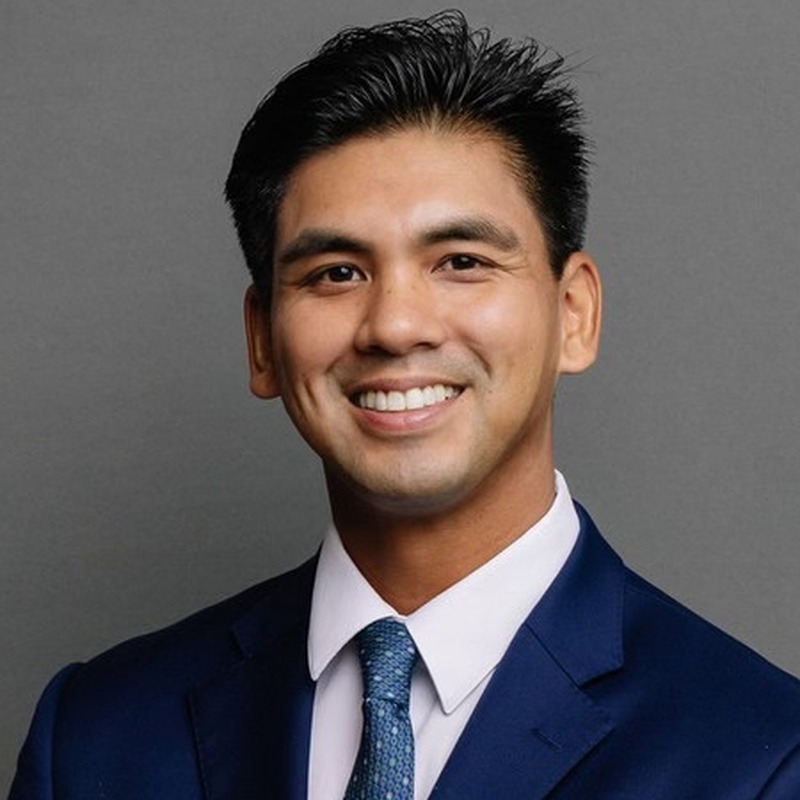
A note from Jason Clendaniel · Dallas Managing Director, CGK Business Sales
Questions DFW owners are asking themselves right now.
These are the questions that show up at four in the morning before any of it is shared. Our Dallas business brokers have heard each of them across years of North Texas engagements.
How Dallas business brokers at CGK actually run a sell-side engagement.
A CGK Dallas engagement runs in two halves. Half one gets you to a Letter of Intent at a defensible number with the right buyer. Half two gets you from LOI to wire without losing the deal in the months between. Most brokerages do one of these two halves well and the other badly. Our Dallas business brokers do both halves the same way, which is what produces the nine-of-ten close rate.
Local business brokers who understand the Metroplex buyer pool can push past the first offer, and that is where most of the value gets won.
Half one: getting to LOI.
The engagement is led by one named senior principal, start to finish. Jason Clendaniel is the Managing Director of our Dallas office and the named CGK lead on every Dallas engagement. Greg Knox, CFA backs the valuation work and the larger M&A engagements. The principal who walks you through your free valuation is the same person who writes your Confidential Information Memorandum, runs the buyer outreach, negotiates the Letter of Intent, and sits across from you when the wire clears. There is no junior screener in the middle of that handoff.
The intake conversations honestly tell you whether and when to go to market. Most of the value is created in the conversations before market. If a documentation gap is going to cost you on the final price, we name it. If your team has a single-person dependency a sophisticated buyer will catch, we flag it. If the DFW commercial-construction cycle, the corporate-relocation rhythm, or the healthcare investment cycle is in a slow stretch and waiting six or twelve months meaningfully improves the outcome, we tell you straight. That disciplined intake on the front end is one half of the reason nine out of ten CGK engagements close, while the broader brokerage industry sits closer to two of ten.
The Confidential Information Memorandum is written for the people who will actually price the business. A Plano-Frisco multi-physician primary-care practice gets payer-mix detail by physician, chronic-care and remote-monitoring program narrative, and clear documentation of Baylor Scott & White or Methodist Health hospital privileges. An Irving-Las Colinas commercial HVAC contractor gets recurring service-contract revenue by property manager and REIT customer, technician-level utilization, and named-customer concentration the way commercial-services buyers expect. The CIM is what the buyers who set the price floor are reading, so every page has to defend a number, not just describe a business.
The buyer process runs as a multi-buyer competitive process under absolute confidentiality. The blind teaser does not name the company. Every serious buyer signs an NDA before the CIM is released. Diligence opens in tiers across the cycle. Summary financials and the buyer thesis go out at NDA. Detailed financials and customer concentration figures (without naming the customers) follow post-LOI. The most sensitive material, named customer rosters, key-employee identities, and supplier-specific exposure, is held back until two or three turns into the purchase agreement, when the buyer has put real legal cost on the table and the structure is essentially locked. Employees, customers, suppliers, and competitors learn what is happening when you decide, not before.
Half two: getting from LOI to wire.
We hold the buyer to the LOI terms instead of the first-draft purchase agreement. Once the LOI is signed, the buyer’s deal team will try to broaden the purchase agreement. The first-draft language frequently asks for more representations, more indemnification scope, and more covenant restrictions than the LOI implied. We push back on each of those moves. The Letter of Intent we negotiated is the Letter of Intent we close on.
We size the escrow to your business, not to the buyer’s template. Standard escrow templates run twelve-month, ten-percent, holdback structures regardless of business risk profile. We size the escrow to the actual risk in your Dallas business: revenue concentration, contract continuity, regulatory exposure, the specific shape of your trailing-twelve. Smaller risk profiles get smaller escrows. Larger risk profiles get longer-tail structures and a clear rationale.
We manage the buyer’s review work so your operations stay running. The diligence period after LOI typically runs sixty to one hundred and twenty days. We coordinate the buyer’s deal team requests, schedule the working sessions around your operating day, get answers turned around quickly so the deal does not stall, and keep the review work from spilling into your customer relationships, your management bench, or your operating rhythm.
This is the part of the engagement most brokerages quietly let slip. The months between LOI and wire are where most deals fall apart. Disciplined intake gets you to LOI. Disciplined deal management gets you from LOI to wire. CGK does both halves the same way. That is the other half of the nine-of-ten close rate.
Start with a free Dallas business valuation conversation.
Our Dallas business brokers work valuation in three forms. Each one fits a different question Dallas owners come to us with at the front of an engagement. Here is which one fits which question, and what each costs.
Tier 1: Free verbal valuation walkthrough.
For: Dallas owners thinking about selling on any horizon, including no specific horizon. The most useful first conversation we have.
What it costs: Nothing. No retainer, no obligation, no sales pitch.
What you get: A senior CGK Dallas principal sits with you, in person or by Zoom, opens our valuation model calibrated to your specific North Texas business, and walks you through the price band you are likely to clear in today’s DFW buyer pool. You see the methodology, the comparables, the multiples, and the math behind the number. You leave with a verbal range and a clear picture of next steps.
Tier 2: Written valuation memo.
For: Dallas owners who need defensible documentation in their hand to give to a CPA, attorney, lender, the IRS, or a Texas court (partnership buyout, estate planning, ESOP).
What it costs: A fixed fee scoped per engagement, separate from any sell-side work. If you later engage CGK to sell, the written memo work credits against the success fee.
What you get: A defensible memo carrying four independent valuation methodologies, an executive summary, and a frank conversation about specific levers that could lift the number before the business goes to market.
Tier 3: CFA-led analytical defense at LOI.
For: Dallas owners who are inside an active sell-side engagement and need the price defended under pressure from a sophisticated buyer.
What it costs: Included with the sell-side engagement.
What you get: A CFA charterholder leads the analytical work that holds the price up at the Letter of Intent stage. Sophisticated buyers, frequently led by an MBA-trained Principal with a finance background, will press hard on your number. The CFA charter is the institutional standard credential for valuation work, and CGK is one of very few Dallas business brokerages with a CFA charterholder leading the analysis. A defensible Dallas business valuation becomes the floor on your deal. A soft one becomes the ceiling.
Start with a confidential conversation.
A senior CGK Dallas principal will respond within one business day to schedule a free verbal valuation, in person, or by Zoom. For DFW owners with $1.5M+ in annual revenue. Strictly confidential. No commitment.
Confidential. No obligation. Direct routing to a named CGK Dallas business broker, not a junior screener.
Buy a Texas business with CGK Dallas business brokers.
A CGK Dallas buy-side engagement looks like this from the buyer’s seat: one named senior principal, a three-phase process (search, evaluation, close), and an absolute firewall against representing the other side of the same deal.
Every business for sale in Dallas, TX that CGK represents is pre-qualified on earnings and lease terms before buyers ever see it. Current opportunities are on our buy a business in Dallas page, and registered buyers are considered as new engagements come to market.
One named senior principal, start to finish.
Jason Clendaniel leads CGK Dallas buyer engagements. Greg Knox, CFA backs the analytical work on the larger M&A buy-side engagements. The same person who picks up the phone on day one is the same person sitting across from you when the wire clears, including the target search, the introductions, the financial review, the negotiation, and the close. No junior screener inserted into the handoff. CGK runs eleven offices and a shared deal pipeline, so a Dallas buyer also has visibility into the deal book in Austin, Baltimore, Colorado Springs, Denver, Houston, Louisville, Nashville, Phoenix, San Antonio, and Washington DC, not just the Texas book.
A three-phase engagement: search, evaluation, close.
Phase 1 – Search. Target search built around your investment thesis, sourced through our cross-office pipeline plus direct outreach across Texas, the Gulf Coast, the Sun Belt, and the rest of CGK’s national footprint. We work with individual buyers, search funders, family offices, strategic acquirers, and lower-middle-market private equity platforms. Buyers in our ‘Micro Private Equity Program’ also see off-market Texas and North Texas acquisitions sourced through cross-office relationships and our existing pipeline.
Phase 2 – Evaluation. Financial diligence support, target evaluation, lender introductions, deal structuring, and the analytical defense at LOI. The CFA charter that backs every Dallas valuation backs every Dallas buy-side LOI defense as well.
Phase 3 – Close. Negotiation, Letter of Intent, the months of post-LOI review work, and the closing. The same principal coordinates with the seller’s representation, the buyer’s lender, the buyer’s counsel, the buyer’s accountant, and any other parties at the table.
How we are paid: buy-side and sell-side are separate engagements.
Buy-side and sell-side at CGK are distinct engagements with distinct fee structures, and we never represent both sides of any single transaction. Sellers get full sell-side representation. Buyers get full buy-side representation. The firewall is absolute on any individual deal. For acquirers who want CGK as a long-term partner instead of a one-time advisor, the ‘Micro Private Equity Program’ trades the transaction fee for a small equity stake. The trade is straightforward: more cash stays with the business at closing, CGK keeps real skin in the game alongside the operator, and we keep working together to source add-on acquisitions. If you are open to CGK as a long-term equity partner, mention “Micro PE” on the buyer profile form. Otherwise, submit the form below and CGK reaches out when an active engagement aligns with your stated criteria, capital, and timeline.
Submit your buyer profile.
Submit the form below for a senior CGK Dallas principal to review. CGK keeps a curated buyer list and reaches out when an active engagement aligns with your stated criteria, capital, and timeline.
Confidential. Your profile is added to CGK’s curated buyer list. We reach out when an active Texas engagement aligns.
From first Dallas conversation to wire transfer.
Most engagements our Dallas business brokers carry run six to twelve months from signed engagement to wire transfer. Some clear in three to six. Healthcare-services groups, commercial HVAC platforms with clean recurring service-contract books, and home-services groups tend to land at the faster end of the window when the diligence file is in shape. Insurance books, hospital-privileged specialty practices, and DFW logistics platforms tend to run longer because of carrier-license assignment timing, hospital privilege transfers, and corporate-relocation customer-concentration diligence. Here is what a typical seller journey looks like, stop by stop.
Every business sale Dallas, TX owners trust us with runs the same way: confidential marketing, qualified buyers only, and terms negotiated from strength.
Confidential conversation
You call us or submit the form. We listen. No pressure, no commitment. Our Dallas business brokers tell you whether and when CGK is the right fit.
Free verbal valuation
Jason, with Greg backing the analytics, in person or by Zoom, walks you through our valuation model and the price range your Dallas business is likely to clear.
Engagement & prep
Signed engagement on a success-fee basis. We help close the items that affect the final price: financial recasting, document cleanup, and the management-team questions buyers will dig into. Texas-specific items get sequenced into the diligence file.
To market & buyer process
Blind teaser, full Confidential Information Memorandum, structured data room, multi-buyer competitive process under NDA. Indications of Interest follow.
LOI & diligence
The goal between LOI and wire is one thing: a closing that matches the LOI the buyer signed. We get there by enforcing the LOI terms on the buyer’s counsel during the purchase-agreement drafting, sizing the escrow to your business’s real risk profile, and coordinating the buyer’s review so their team stays out of your operating day. The months between LOI and closing are where weaker engagements stretch and stall. Ours do not.
Closing & wire
Funds settle. Documents sign. The deal closes. The handoff has been built through the engagement, not assembled at the closing table. The team you built keeps doing what they do, under a buyer who has signed for the people, not just the financials.
The industries anchoring the CGK Dallas book.
Dallas is a corporate-HQ magnet (Toyota in Plano, Frito-Lay, AT&T, JPMorgan, Liberty Mutual, FedEx Office) and the financial-services capital of the Southwest, with one of the deepest commercial real estate ecosystems in the country. The DFW commercial real estate boom pulls commercial trades and mechanical-contracting M&A activity, while the Baylor Scott & White, Methodist, and UT Southwestern systems anchor a deep healthcare-services and specialty-practice deal book. DFW International and Alliance Texas feed 3PL, distribution, and logistics rollup activity, and the broader North Texas economy supports manufacturing and industrial services, restaurants and hospitality, financial services, and a robust auto-services rollup market. CGK Dallas engagements span both High Main Street and lower-middle-market bands.
Plus deal experience across 30+ industries. Don’t see yours? Our Texas business brokers have closed deals in almost every North Texas industry, including some very niche businesses.
Meet your Dallas business brokers and the national bench behind them.
Jason Clendaniel is the Managing Director of our Dallas office and the named CGK lead on every Dallas engagement. A US Naval Academy graduate (BS Economics with Honors) and a 10-year Naval Officer, Jason brings a decade of post-Navy S&P 500 sales, business-development, and M&A work to the lead seat, with a direct, practical read on what actually drives enterprise value inside an operating Texas business. Behind him sits the broader CGK Managing Director bench across the firm’s other offices, available on valuation analytics, M&A structuring, sector specialization, and buyer-side work whenever a Dallas deal calls for additional firepower. Greg Knox, CFA backs every Dallas valuation and the larger M&A engagements that need the analytical defense a CFA charterholder brings to LOI-stage pressure.
Dallas, TX business brokers tend to fall into two camps, listing services and true M&A processes, and CGK runs the second.







What DFW owners say about CGK.
Matthew has been instrumental in helping with so many aspects of business development. He is patient, kind, and an anchoring presence in the chaos that can come from these types of transactions. To say I highly recommend him, and CGK, is an understatement. Strongly recommended!
Beau DeLozierDifficult process at times, but Matthew made it seem simple. Would highly recommend Matthew and CGK to anyone looking to buy or sell any business. Great job.
Print PlusIronically enough, I wound up not being the right fit for CGK, but my interactions with Greg and his level of care, insight, and recommendations were so commendable that I wanted to leave a review.
Kara KarnovskyGreg got back to me within a few minutes of my inquiry. The information he provided was insightful and enabled me to move forward.
Todd WallProvided expert opinion, market analysis, and documentation on business valuation that was needed for audit purposes. Thanks much!
Woods Insurance AgencyInside the Blueprint, on Bloomberg TV and Fox Business News.
CGK Business Sales was featured on Inside the Blueprint, the syndicated business television series. Our episode aired on Bloomberg TV and Fox Business News. We are usually the only Dallas M&A advisors on a DFW seller’s shortlist who can point to a Bloomberg appearance. Watch the segment, then start a confidential conversation with our Dallas team.
Four DFW owner stories, four CGK Dallas engagements.
The four composite seller stories below sit inside the structural North Texas mix our Dallas business brokers see most often: an Irving / Las Colinas commercial HVAC contractor rolling into a national commercial-services consolidator, a Plano multi-physician primary-care practice taken by a primary-care PE platform, a Richardson Pakistani restaurant group sold to a fellow North Dallas restaurateur with a family-office partner, and an Oak Cliff independent auto repair shop sold to a Texas-and-Southwest auto-services consolidator. Names, locations, and identifying details are composited; the structural patterns are real. Each story shows what the engagement felt like from the seller’s seat.
How an Irving / Las Colinas commercial HVAC contractor found a national consolidator with the Dallas business brokers who priced the recurring service-contract book correctly.
Tony’s grandfather emigrated from Mount Lebanon to Dallas in 1952 and set up a small mechanical shop near downtown, the kind of operation that hand-bent its own duct and built its book one referral at a time. His father expanded into commercial HVAC through the 1970s as Las Colinas was being master-planned and the first DFW corporate-relocation wave took shape. Tony joined in 1989 after finishing a mechanical engineering degree at SMU, took the operating reins in 2003, and repositioned the company toward what was already becoming the country’s most active commercial real estate market. By the time he called us, the platform cleared $30 million in revenue at a 17 percent EBITDA margin, defensibly clean for a commercial HVAC contractor of that scale, with 105 W-2 staff covering 28 EPA-608 Universal certified service technicians, 12 estimators and project managers, and 5 in-house mechanical engineers. The mix landed at 35 percent new-construction commercial HVAC installation tied to DFW high-rise and office-tower starts, 32 percent preventive maintenance service contracts held with property managers and REITs across the Metroplex, 20 percent retrofit and chiller-plant replacement work, and 13 percent emergency service and on-call work. Top-3 customer concentration was a manageable 24 percent and roughly 52 percent of revenue carried multi-year recurring service contracts. Tony’s wife is a Park Cities-based pediatric oncologist being recruited for an academic chair at UT Southwestern; their two adult kids are a Stanford engineering grad now at a San Francisco semiconductor firm and a Texas Tech graduate teaching in Fort Worth. Tony wanted to be available for his wife’s career chapter and to spend extended time at the family’s Cedar Creek Lake property.
The first call ran forty-eight minutes. Tony walked us through the way Jose Aguirre, his longtime senior estimator and a fellow SMU mechanical engineer who had joined when Tony took over in 2003, had quietly become the institutional voice on the project-management side; the way the recurring-service-contract book had stayed durable through three commercial real estate cycles; the way commercial-services PE consolidator scouts had been calling once a month for two years; and the way none of those scouts had asked about Jose or about the way the property-manager and REIT relationships were built and held. He did not know whether the platform numbers he was hearing reflected the recurring-revenue premium his book actually carried or the standard discount that larger consolidators apply by default. We told him what to expect from each band of buyer, then we set up a free valuation walkthrough.
The CGK Dallas team walked Tony through a valuation that priced the recurring service-contract book correctly, the new-construction installation backlog tied to active DFW high-rise commitments, the retrofit and chiller-plant book, the emergency-service revenue, and Jose’s continuity at the project-management leadership layer. The valuation also flagged what the diligence file would need: a customer-by-customer revenue waterfall by property manager and REIT, a service-contract renewal calendar, an EPA-608 certification and union/non-union mix breakout, named-estimator retention agreements at the senior tier, and a clean breakout of the emergency-service book inside the broader services book. Tony spent four months getting that done. Then we took the platform to market.
Commercial HVAC consolidation in the Sun Belt is one of the most active rollup verticals in the country and the buyer interest reflected it. The blind teaser drew deep buyer interest. The pool was the structural mix the commercial HVAC industry tends to attract at this size: a few HNW commercial-services-investor buyers, a real cohort of search funders (commercial HVAC rollup is a search-funder favorite at this band), several independent sponsors, the heaviest concentration of bidders from mid-market and lower-middle-market PE commercial HVAC platforms (DFW commercial HVAC consolidation is hot), regional facility-services consolidators, large national strategics with DFW-corridor commercial real estate exposure, and a couple of Texas-anchored family offices with commercial-services theses. Five LOIs advanced to a final round. Tony chose the second-highest headline because the buyer (a PE-backed national commercial HVAC platform with a Sun Belt regional brand, 35+ commercial HVAC contractors in their existing portfolio across TX, AZ, NV, CO, and GA, sponsored by a Dallas-area mid-market PE fund running a commercial-services rollup thesis) committed to keeping all 105 staff with comp-step protections, kept the Irving / Las Colinas headquarters and the Carrollton field operations base under existing branding, and named Tony as senior strategic advisor for 24 months at one day per week. The deal closed at 76 percent cash at close, 12 percent in a twenty-four-month escrow (longer than the standard twelve to cover commercial bond performance tail risk and any latent installation warranty claims), and 12 percent rolled forward as equity in the consolidator’s holding company. When the wire cleared Tony called his father in Highland Park in Arabic from the Irving office. “Khalas, baba.” It is done, dad. His father, who had arrived from Beirut at twelve years old in 1952, simply said “Mabrouk.” Tony drove from there to Jose Aguirre’s home in Coppell and shook his hand on the porch.
“I needed a buyer who would ask about Jose first. The number came after that.”
How a Plano multi-physician primary-care practice went to a primary-care PE platform with the business brokers Dallas teams who priced the value-based-care alignment correctly.
Mei Lin’s parents emigrated from Taiwan in the 1970s; her father was an early electrical engineering postdoc at UT Dallas, part of the wave that anchored the Richardson and Plano Chinese-American community as the North Dallas tech corridor was forming. Mei Lin finished UT Southwestern Medical School in 1995, completed her internal medicine residency at Baylor, and opened her Plano practice in 2003 with a focus on internal medicine and adult primary care. Twenty-three years later the practice ran as Mei Lin plus two other internists plus one nurse practitioner, supported by 20 W-2 staff including five RNs, two medical assistants, a lab tech, a billing manager, and the front-office team. The service mix sat at 55 percent traditional internal medicine and adult primary care, 20 percent chronic care management and remote patient monitoring programs, 15 percent in-office procedures and chronic-care visits, and 10 percent integrative-medicine and preventive-wellness work. Baylor Scott & White and Methodist Health System hospital privileges were active on every clinician. The payer mix landed in the texture the Plano corporate-relocation submarket actually demands: roughly 30 percent commercial, 22 percent Medicare Advantage, 25 percent traditional Medicare, 14 percent TRS-ERS-employer (the Texas state employer programs), and 9 percent other. Revenue cleared $5.6 million at a 27 percent EBITDA margin, defensibly clean for a four-clinician primary-care group of that size in North Dallas. Mei Lin’s husband, a Texas Instruments principal engineer, was taking an early-retirement package, and the two of them wanted extended time to see their daughter (a Stanford computational biology PhD candidate) and their son (an NYU MBA student). Mei Lin wanted to phase down clinical work to two days per week while keeping her physician identity intact.
Primary-care PE rollup is hot across DFW (the corporate-relocation-driven population growth in Plano, Frisco, and Allen is the underlying tailwind), and the buyer profile reflects it. Mei Lin had been approached six times in eighteen months: twice by national primary-care platform consolidators, once by a Baylor-aligned VBC-thesis platform, twice by Texas-and-Sun-Belt regional consolidators, and once by a strategic acquirer running a Texas value-based-care thesis. None of those scouts had walked her through how a buyer’s diligence team would price the value-based-care alignment, the chronic care management and remote patient monitoring program revenue, or her senior nurse practitioner Linda Wu’s quiet but real institutional weight inside the practice. She called us the week her husband signed the early-retirement paperwork.
The first call ran forty-nine minutes. Mei Lin walked us through the founding, the way the chronic care management arm had grown from a small clinical interest into a 20 percent revenue line, the way Linda, a longtime Chinese-American RN who had been with the practice fourteen years, had quietly become the institutional voice on the chronic-care team, and the conversations she had been having with the other clinicians about whether they wanted to stay through a change of control. The valuation walkthrough showed Mei Lin a band that priced the chronic care management and remote patient monitoring revenue lines, the in-office procedure utilization, the Baylor and Methodist hospital-privilege continuity, the value-based-care alignment, and Linda’s continuity at the chronic-care layer. The valuation also flagged what the diligence file would need: a payer-mix-by-physician waterfall with full hospital-privilege documentation, a CCM and RPM utilization breakout with attribution data, named-physician retention agreements with the three other clinicians, and a clean breakout of the integrative-medicine revenue versus pure cognitive-visit revenue. Mei Lin spent five months getting that done. The CGK Dallas team took the practice to market.
Plano-Frisco corridor primary-care draws a deep buyer pool. The blind teaser drew deep buyer interest. The pool was the structural mix the primary-care industry tends to attract in DFW: a few HNW physician-investor buyers (DFW has a real physician-investor cohort anchored to the broader UT Southwestern and Baylor referral network), search funders, independent sponsors, the heaviest concentration of bidders from mid-market PE primary-care platform consolidators (the dominant cohort, since primary-care PE rollup is a hot active thesis in DFW), Baylor-aligned and Methodist-aligned VBC-thesis platforms, regional medical-group rollups across TX, OK, AR, and LA, and a couple of Texas family offices with healthcare-services theses. Four LOIs advanced to a final round. Mei Lin chose the second-highest headline because the buyer (a PE-backed primary-care platform consolidator with a Texas-and-Sun-Belt thesis and a value-based-care alignment, 30+ primary-care groups in their existing portfolio across TX, OK, AR, and LA, sponsored by an Austin-area mid-market PE fund) committed to keeping all 20 staff and all four clinicians under their current contracts, kept the Plano office, and named Mei Lin as senior medical advisor for 18 months at two days per week. The deal closed at 80 percent cash at close, 8 percent in a twelve-month escrow for general indemnity, and 12 percent rolled forward as equity in the platform’s holding company. When the wire cleared Mei Lin called her father in Richardson in Mandarin from the Plano office. “Wánchéng le, bàba.” It is done, dad. Her father, the UT Dallas electrical engineering postdoc who put her through medical school, simply said “Hǎo.” Good. Mei Lin walked the practice one final time with Linda Wu, the two of them at the chronic-care station as the schedule scrolled across the screen.
“I needed a buyer who would ask about Linda first. The number came after that.”
How a Richardson Pakistani restaurant group sold to a North Dallas restaurateur with the Dallas business brokers who priced the kitchen-leadership continuity correctly.
Saira’s family emigrated from Karachi in the late 1980s during a North Dallas tech-services recruitment wave. Her mother taught math in Richardson ISD for two decades. Her father wrote software at Texas Instruments through the early-Plano years. Saira finished a hospitality management degree at UT Dallas in 1997, worked through several North Dallas restaurant kitchens, and opened her first Pakistani-Indian fast-casual concept in the Spring Valley corridor of Richardson in 2009. By the time she called us, the operation ran as a 3-restaurant Pakistani and North Indian concept group along the Richardson, Plano, and Carrollton South Asian corridor: a flagship sit-down restaurant in Richardson, a fast-casual unit in Plano, and a smaller location in Carrollton. The concept blended traditional Pakistani biryani and karahi specialties with Indian tandoori dishes and a Northern Indian fast-casual format that earned followings on both sides (the South Asian community and the broader North Dallas customer base). Mix split out to 50 percent Richardson flagship sit-down, 30 percent Plano fast-casual unit, and 20 percent Carrollton location plus a small catering arm serving North Dallas tech corporate events. Combined revenue cleared $2.4 million at a 31 percent SDE margin, defensibly clean for a 3-location group of that scale. Saira’s husband, a Plano-based JPMorgan Chase technology executive, was being relocated to JPMorgan’s London office for a three-year assignment, and Saira and their two teenage kids were moving with him. Saira wanted the restaurants to continue under operators who would preserve the menu and the team.
Restaurant M&A at this tier has its own structural pattern. The valuable assets are the brand identity, the lease portfolio, the kitchen-leadership continuity, and the South Asian community trust that underwrites a Pakistani concept along the Richardson-Plano corridor. Smaller-tier restaurant groups typically transact on a cash-and-seller-note basis rather than the cash-plus-rollover structure that dominates larger restaurant-platform deals. Saira had been approached seven times in fifteen months: three times by DFW-area South Asian restaurant operators looking to add a Pakistani concept, once by a regional Texas restaurant group expanding into ethnic-cuisine, twice by search funders running North Dallas restaurant theses, and once by a strategic acquirer running a North Texas South Asian-cuisine expansion thesis. None of those conversations had walked her through what a buyer’s diligence team would do with the catering arm revenue, the Richardson flagship community-trust narrative, or how the kitchen-leadership continuity through Imran, her lead chef since opening night in 2009, would be priced inside an LOI. She called us the week her husband told her the London relocation paperwork was final.
The first call ran thirty-seven minutes. Saira walked us through the founding, the way the catering arm had compounded into a steady draw with North Dallas tech employers, the way Imran, a longtime Pakistani-American executive chef who had been with her since 2009, had quietly become the institutional voice on the kitchen line, and the conversations she had been having with Imran about whether he wanted to step up under a new owner. The valuation walkthrough showed Saira a band that priced the three-location lease portfolio and renewal-option language, the kitchen-leadership continuity through Imran, the catering-arm revenue, the South Asian community trust narrative, and the brand identity across all three sites. The valuation also flagged what the diligence file would need: a clean trailing-eighteen-month covers-per-service waterfall by location and day-part, a catering revenue breakout, a named-staff retention agreement with Imran, and a clean lease-assignment opinion from her real estate counsel covering all three locations. Saira spent eight weeks getting that done. The CGK Dallas team took the group to market.
Smaller-tier restaurant M&A in the North Dallas South Asian corridor draws a moderate-depth pool with a strong HNW-restaurateur cohort. The blind teaser drew deep buyer interest. The pool was the structural mix the smallest-tier restaurant band tends to attract: a few HNW restaurateur-investor buyers (including the DFW-area South Asian operators who had approached her directly), a couple of search funders (restaurants are search-funder favorites at this size), a couple of independent sponsors, several regional Dallas restaurant groups looking for Pakistani and Indian fast-casual exposure, mid-market PE restaurant platforms with ethnic-cuisine theses, and one strategic acquirer with a North Texas South Asian-cuisine expansion thesis. Five LOIs advanced to a final round. Saira chose the highest headline because the buyer (a HNW DFW-area Pakistani-American restaurateur who runs a smaller Carrollton restaurant, partnered with a regional Texas-based family office providing equity-gap financing) committed to keeping the concept and brand intact across all three locations, kept all 24 staff including the kitchen leadership, named Saira as creative-and-recipe advisor for 12 months with quarterly menu reviews, and gave Imran the path to step up as the chef de cuisine across the group under the new ownership. The deal closed structured as 82 percent cash at close with the remaining 18 percent as a seller note over five years at a market rate. When the wire cleared Saira called her mother in Richardson in Urdu from the flagship kitchen. “Ho gaya, ammi.” It is done, mom. Her mother, the longtime Richardson ISD math teacher who had put Saira through UT Dallas, simply said “Mashallah.” As God has willed. Saira walked the dining room one final time with Imran, the two of them standing at the tandoor as the lunch crowd cleared.
“My mother taught Richardson kids math for twenty years. The buyer kept the team. That is the inheritance.”
How an Oak Cliff independent auto repair shop sold to a Texas-and-Southwest auto-services consolidator with the Dallas business brokers who priced the Latino-owned-shop community trust correctly.
Beto’s family fled the Salvadoran civil war in the late 1980s and resettled in Dallas’s Oak Cliff Salvadoran-American community along Jefferson Boulevard. His father worked thirty years as a mechanic at a Dallas-area Ford dealership, the kind of man who taught his sons how to listen to an engine before turning a wrench. Beto came up through the automotive technology program at Mountain View College, spent the early years of his career as a Ford dealership service-center tech, and opened his own shop in Oak Cliff in 2012. By the time he called us, the operation cleared $1.4 million in revenue at a 27 percent SDE margin, with 7 W-2 staff including 4 ASE-certified technicians (Beto himself is an ASE Master Tech) working out of a 4-bay shop in the heart of the Oak Cliff residential customer base. Mix sat at 60 percent general repair and maintenance for the Oak Cliff and southern Dallas residential customer base, 15 percent state inspections, 15 percent brake and transmission specialty work, and 10 percent small fleet service for nearby small businesses. The shop carried I-CAR Gold for collision and the ASE Blue Seal of Excellence (a meaningful credential at this size). Beto’s mother in El Salvador had been diagnosed with dementia and Beto wanted to bring her to Dallas for care, which would require significant time and home preparation that he could not manage while running day-to-day shop operations. His wife, a Dallas ISD elementary school teacher, was supportive but could not take on Beto’s role. He wanted to phase down to part-time consulting while remaining nearby for family.
Auto-repair consolidation is in a steady rollup posture across the Sun Belt and the buyer interest at this tier reflects it. The valuable asset is the residential and small-fleet customer base, the ASE-certification bench through the change of control, the I-CAR collision and Blue Seal credentialing, and the Oak Cliff Latino-owned-shop community trust that compounds over a decade-plus of operating in one place. Smaller-tier auto-repair shops typically transact on a cash-and-seller-note basis rather than the cash-plus-rollover structure that dominates larger auto-services platform deals. Beto had been approached five times in twelve months: three times by national auto-repair consolidator scouts, once by a Texas-and-Southwest regional rollup platform, and once by a HNW auto-investor buyer running a Latino-owned-shop expansion thesis. None of those conversations had walked him through how a buyer’s diligence team would price the Oak Cliff community trust, the ASE-certification bench continuity, or his lead technician Wilfredo’s quiet but real institutional weight with the Spanish-speaking customer base. He called us the week his wife told him his mother’s dementia was advancing faster than the family could manage from Dallas.
The first call ran thirty-three minutes. Beto walked us through the founding, the way the small fleet-service work had grown from a single nearby Latino-owned bakery into ten percent of revenue, the way Wilfredo, a longtime Salvadoran-American tech who had been with him since 2014, had quietly become the institutional voice with the Spanish-speaking customer base, and the conversations he had been having with his other technicians about whether they wanted to stay through a change of control. The valuation walkthrough showed Beto a band that priced the residential repair customer base, the lease and bay configuration, the ASE Blue Seal continuity, the I-CAR Gold credentialing, and Wilfredo’s continuity at the technician layer. The valuation also flagged what the diligence file would need: a labor-hours-per-tech utilization waterfall, an ASE-certification renewal calendar, named-tech retention agreements with each of the four ASE-certified techs, and a clean lease-assignment opinion. Beto spent six weeks getting that done. The CGK Dallas team took the shop to market.
Auto-repair M&A at the smaller shop tier draws a steady pool with a strong PE-platform cohort. The blind teaser drew deep buyer interest. The pool was the structural mix the smaller-tier auto-repair band tends to attract: a few HNW auto-repair-investor buyers, a real cohort of search funders, a couple of independent sponsors, the heaviest concentration of bidders from mid-market and lower-middle-market PE auto-repair rollup platforms, several regional Texas-and-Southwest auto-service consolidators, and one strategic acquirer with a Latino-owned-shop acquisition thesis. All five LOIs advanced to a final round. Beto chose the second-highest headline because the buyer (a PE-backed national auto repair consolidator with a Texas-and-Southwest regional brand, 60+ shops in their existing portfolio across TX, OK, NM, AZ, and NV, sponsored by a Dallas-area lower-middle-market PE fund running an auto-services rollup thesis with a stated commitment to Latino-owned-shop growth) kept the shop open under existing branding, kept all 7 staff with comp-step protections, named Beto as senior shop-development advisor for 18 months at half-time, and committed to community programs supporting the Oak Cliff Latino entrepreneurship ecosystem. The deal closed structured as 78 percent cash at close with the remaining 22 percent as a seller note over three years at a market rate. When the wire cleared Beto called his wife from the Oak Cliff shop. “It’s done, mi vida.” Then he walked across the shop floor to thank his lead technician in person, Wilfredo, the longtime Salvadoran-American tech who had been with the shop since 2014, the two of them standing in the third bay as a customer’s brake job cooled on the lift.
“My father turned wrenches at a Dallas Ford dealership for thirty years. The buyer kept the team. That is the inheritance.”
If any of these stories sound like you, start with a free Dallas business valuation.
The composites above are different industries, different sizes, different deal structures. They are the same engagement, run the same way, by the same named CGK Dallas lead. The first conversation is free. The verbal valuation that follows is free for any DFW owner seriously thinking about selling on any horizon: a year, five years, longer.
Confidential. No obligation. Direct routing to a named principal.
Talk to a CGK Dallas Business Broker
A senior CGK Dallas principal will respond within one business day. For DFW owners with $1.5M+ in annual revenue.
The buyer pool the Dallas business brokers at CGK actually run process for.
The number of qualified buyers we can put in front of you is the biggest reason CGK’s close rate runs nine of ten. Dallas draws a buyer pool unlike any other Sun Belt metro, anchored by the corporate-HQ ecosystem, the financial-services and telecom corridors, the DFW Airport and Alliance logistics base, the healthcare M&A activity around Baylor, Methodist, and UT Southwestern, and the deepest North Texas family-office community in the country. Below is who shows up when we take a Dallas business to market.
Texas-anchored PE platforms with commercial-services and industrial theses. The DFW commercial real estate boom and the steady out-of-state HQ relocation cadence pull commercial-services PE platforms (commercial HVAC, electrical, mechanical contracting, facility services, fire and life safety, plumbing, building-envelope services) because the DFW operator concentration is structurally non-substitutable. Active platforms running Texas-relevant rollups span commercial HVAC consolidators, mechanical-contracting platforms, electrical-services rollups, and facility-services consolidators. Many are headquartered in Dallas itself.
UT Southwestern, Baylor Scott & White, and Methodist-aligned healthcare PE platforms. The Plano-Frisco corporate-relocation population growth has reshaped the North Texas primary-care and specialty-practice deal book over the last decade. Active platforms running DFW-relevant healthcare rollups span primary-care platform consolidators, women’s health platforms, behavioral-health consolidators, dental DSO consolidators, vet consolidators, ambulatory-services platforms, and specialty-practice platforms with Baylor, Methodist, and UT Southwestern-aligned theses.
DFW International and Alliance Texas logistics consolidators. DFW International is one of the busiest airports in the world by passenger and cargo volume, and Alliance Texas is the largest inland port in the country. Together they anchor a 3PL, distribution, e-commerce fulfillment, and Sun Belt trade-route logistics cluster that pulls heavy national 3PL platform rollup activity into Dallas-Fort Worth. Active national 3PL platforms run continuous outreach into Dallas logistics platforms above $1M EBITDA, and a real cohort of search funders treats DFW-anchored distribution as a preferred entry vertical.
Insurance broker rollups with Texas-and-Sun-Belt theses. Insurance broker consolidation is in heavy PE rollup mode across Texas, and the DFW independent-agency density is one of the deepest in the country. Active Texas-and-Sun-Belt regional broker rollup platforms run continuous outreach into Plano, Frisco, Las Colinas, Richardson, and Greater Dallas independent agencies, with corporate-relocation-driven commercial book theses driving the heaviest premium-per-dollar bids.
Park Cities, Highland Park, and Preston Hollow family offices, HNW buyers, and direct strategics. The North Dallas family-office bench (Park Cities, Highland Park, Preston Hollow, plus the broader Plano, Frisco, and Westlake high-net-worth pools) hosts one of the deepest family-office cohorts in the country, anchored to the Dallas financial-services sector. They prefer Texas targets in the lower-middle-market band where they can hold for decades. Industry strategics frequently pay the highest premium when the synergy math is real, and our Dallas M&A advisors stage those conversations carefully so confidential information does not leak into trade press while a process is live.
Greater DFW submarkets we serve.
Greater Dallas-Fort Worth is not one market. Our Dallas business brokers run engagements across these twelve submarkets and the sectors that anchor each. Jason runs every one.
Preparing to sell your Dallas business.
The runway from “thinking about selling” to closed sale runs twenty-four months on the long end and twelve on the compressed end. Here is what we tend to work on with Dallas owners at each marker along that timeline.
Month 24 to Month 18: First conversation, free valuation, honest direction-check. Most of our best Dallas engagements start here, twenty-four to eighteen months before the wire. The owner is not committed to selling. The business is running well. The question is whether the business is in a window where a sale makes sense and what could lift the price if it does. The free verbal valuation walkthrough is the most useful thing we can do at this stage.
Month 18 to Month 12: Tighten the financial picture. Recast the trailing twelve to show the recurring picture buyers will pay for. Carve out one-time events. Clean up the books so the buyer’s deal team can verify the numbers quickly. Dallas-specific work: align with telecom-corridor capex cycles for service vendors, with Baylor or Methodist payer-mix renewals for healthcare practices, with DFW logistics container-volume rolling twelves for distribution platforms, and with the corporate-relocation contract pipeline for commercial trades and services.
Month 12 to Month 6: Build the lieutenant layer. Put a layer of named lieutenants between you and each key customer, regulatory, or referral relationship, then let the handoff season for six months before going to market. The most expensive thing a buyer can find during review is that the owner is the only person holding the relationships together. The fix takes six to twelve months and removes one of the largest possible discounts at LOI.
Month 6 to Month 3: Finalize tax structuring. Larger Dallas sales carry tax-structuring options that do not show up until inside the LOI cycle: stock versus asset, F-reorganization for QSBS-eligible C-corps, Texas franchise tax allocation, installment-sale considerations, charitable-remainder trust structures. The right financial advisor, trust attorney, CPA, or tax attorney brought in six to twelve months before close pays for itself many times over on larger deals.
Month 3 to close: Go to market. Confidential Information Memorandum, structured data room, multi-buyer competitive process under NDA, LOI negotiation, the months of post-LOI review work, the closing. By this point, the work that determines the final price has already been done.
Dallas owners who walk through the twenty-four month runway tend to clear the strongest prices for their industry and size. Dallas owners who compress the preparation into a sixty-day pre-market sprint learn what a discounted price feels like in real time. Either way, our Dallas business brokers will tell you the truth about which path you are actually on.
When to call Dallas business brokers.
The reasons Dallas owners pick up the phone and call our Dallas business brokers tend to fall into two buckets: life triggers, where something has changed in the owner’s personal world, and business-cycle triggers, where something has shifted in the company or its market. Either one is enough to start a conversation.
Life triggers.
The succession question has answered itself. Your child finished a graduate program in a different field. Your second-in-command decided to start their own thing. The family conversation about who takes the business has landed and the answer is not a family member. Succession is the most common single trigger we hear from DFW owner-operators.
A health, family, or partnership shift has changed your horizon. A back surgery. A parent care plan that needs you closer to home. A spouse retirement. A partnership disagreement that needs resolving. The horizon for “someday” has gotten shorter, and our Dallas business brokers work confidentially through these conversations.
You want to sell from a position of strength. The trailing twelve months are the strongest the business has ever produced. The team is the deepest it has been. The customer or referral pipeline is the cleanest it has been in years. This is exactly when prices are highest and exactly when most owners hesitate.
Business-cycle triggers.
An unsolicited offer is on the table. A PE consolidator scout, an industry strategic, or a regional rollup operator has been calling. The price they are dangling could be a real number, an opening anchor, or a relationship-building number. This is the right moment to call our Dallas office, before you sign anything, while you still have leverage.
A contract renewal or industry cycle is reshaping your buyer pool. The DFW commercial-construction cycle is opening up. The corporate-relocation pipeline is accelerating. The financial-services or telecom-corridor M&A market is in an active stretch. Or the cycle is closing and the next six months will be quieter. We can read the cycle with you and tell you whether to go now or wait six to twelve months.
You want to know what your DFW business is actually worth. No commitment to sell. The free verbal valuation walkthrough is open to any Dallas owner thinking about a sale on any horizon, including no specific horizon at all. Most of our best Dallas engagements start with this conversation a year or more before the transaction.
Wherever the trigger sits, life or business, start the conversation.
Start with a confidential conversation. A senior CGK Dallas principal will respond within one business day to schedule a free verbal valuation, in person, or by Zoom.
Confidential. No obligation. Direct routing to a named CGK Dallas principal, not a junior screener.
Frequently Asked Questions
Practical answers to what comes up most often when DFW owners are evaluating Dallas business brokers to take their company to market.
We Know Dallas.
Dallas is the skyline from the top of Reunion Tower at sunset, the bridge across Klyde Warren Park linking downtown to the Arts District, the AT&T Discovery District lit up on a Friday night, Deep Ellum’s brick warehouses, the Bishop Arts murals on the Oak Cliff side of the Trinity, the Katy Trail at six in the morning, the Dallas Arboretum in the spring, the azalea-lined streets of Highland Park and Snider Plaza on a Saturday, Plano’s Legacy West and the Frisco Star where the Cowboys practice, the Texas Star ferris wheel at the State Fair every October, the Dallas Museum of Art and the Nasher across Flora Street, Fair Park’s Art Deco bones, Eatzi’s and the food halls, Pecan Lodge brisket and the Tex-Mex tradition that runs from Mia’s to El Fenix, NorthPark Center on a holiday weekend and the Galleria’s ice rink in December, DFW International across Las Colinas, Toyota’s North American HQ in Plano, AT&T downtown, Trinity Groves at the foot of the Margaret Hunt Hill Bridge. CGK’s Dallas address is 325 N Saint Paul St, Dallas, TX 75201, but most of our work with DFW owners happens at the seller’s business or by Zoom.
We know the corporate-HQ magnet effect (Toyota, Frito-Lay, AT&T, JPMorgan, Liberty Mutual, FedEx Office) pulls a deeper supplier-services and B2B M&A market into Dallas than the population alone would suggest, and we work that buyer pool every quarter. We track the Texas Economic Development data on owner demographics that shows a Texas Boomer-business succession wave compounding since 2018, and we work the DFW deal market alongside the convening work of the Dallas Regional Chamber. For DFW logistics, distribution, and corporate-supplier composites we cross-reference Dallas Fort Worth International Airport data on cargo volume, passenger throughput, and adjacent industrial corridor activity that buyers’ deal teams work through during diligence.
We know Dallas is brisket and ribs at Pecan Lodge and Lockhart, the State Fair every September and October, the Dallas Symphony at the Meyerson, the Dallas Mavericks and Stars at the American Airlines Center, the Dallas Cowboys out at the Frisco Star and game days at AT&T Stadium in Arlington, the Bishop Arts theater scene, the Deep Ellum live music corridor, the West End and Dealey Plaza on a quiet weekday, the Katy Trail and White Rock Lake on a Saturday morning, NorthPark Center’s modernist architecture and Henry Moore sculptures. We know Park Cities and Highland Park, Preston Hollow and North Dallas, Plano and Frisco, Allen and McKinney, Richardson and Carrollton, Las Colinas and Irving, Farmers Branch and Addison, Garland and Mesquite, Oak Cliff and Bishop Arts, Arlington and Grand Prairie. We know the DFW commercial real estate boom rhythm, the Plano-Frisco corporate-relocation cadence, the steady drumbeat of new HQ announcements that reshape Legacy West and the Tollway corridor, and the way the Trinity River bends past downtown as the anchor of the city.
We are members of the International Business Brokers Association (IBBA) and M&A Source. We carry a CFA, a CMT, a CAIA, an FDP, an MBA, and a Master of Data Science. If you are a DFW owner thinking about how and when to sell your business, or hunting for the right Texas acquisition through our buy-side advisory, or want a confidential business valuation, our Dallas business brokers know this city and the Texas buyer pool. Call (469) 998-1968 or submit the form to start.
Latest from the CGK blog.
Recent commentary on selling, buying, and valuing privately-held businesses, fresh from CGK and the Dallas M&A advisor bench.

AI productivity tools are quietly compressing operating cost lines and re-shaping the multiples sophisticated buyers are willing to pay. Owners going to market in 2026 need to understand how a buyer’s deal team prices the AI lift before signing an LOI, because the valuation gap between AI-mature and AI-naive businesses is widening fast. […] Read More

Stock vs. asset structure, F-reorganizations, QSBS eligibility, installment-sale considerations, and state-tax allocation can each shift net proceeds by tens of thousands or more. The 2026 update walks privately-held owners through the structuring decisions that have to be made twelve months before close, not at LOI. […] Read More

SBA 7(a), conventional senior debt, mezzanine, seller notes, rollover equity, and earn-outs each carry different cost-of-capital, covenant, and risk profiles for the buyer. The post breaks down how each layer interacts with the seller’s preferred structure and where most first-time acquirers misprice their financing structure. […] Read More
Start with a confidential conversation. No commitment.
Submit a brief profile and a senior CGK Dallas principal will reach out within one business day. The first conversation is always free, and the verbal valuation that follows is free for any DFW owner seriously thinking about selling on any horizon.
Strictly confidential. No pressure. Direct routing to a named CGK Dallas principal, not a junior screener.
Talk to a CGK Dallas Business Broker
A senior CGK Dallas principal will respond within one business day. For Texas privately-held companies with $1.5M+ in revenue.
Or scroll up to the seller-profile form in any of the three valuation blocks above. Direct routing to Jason Clendaniel, not a junior screener.
Confidential. No obligation.
Sell your Dallas business by industry vertical.
CGK Dallas business brokers serve owners across distribution, healthcare, MSP, restaurants, mechanical contracting, and legal industries. Each industry has its own diligence cadence, buyer pool, and value-driver story. Click any card below to see the playbook for your industry.
Distribution
Sell a Dallas distribution business with DFW hub, BNSF intermodal, and Sun Belt logistics diligence discipline.
Visit pageMedical Practices
Sell a Dallas medical practice with Baylor Scott and White, UT Southwestern, and Texas Health credentialing diligence.
Visit pageMSP and IT Services
Sell a Dallas MSP or IT services business with DFW corporate client base, recurring revenue, and tech corridor diligence discipline.
Visit pageRestaurants
Sell a Dallas restaurant business with concept transferability, lease analysis, and DFW F&B market diligence.
Visit pageMechanical Contracting
Sell a Dallas mechanical contracting business with commercial HVAC, refrigeration, and DFW build-out diligence.
Visit pageLaw Firms
Sell a Dallas law firm with active-matter, partner-retention, and DFW commercial-client diligence discipline.
Visit pageCGK has offices across the country.
Whichever office you reach, you get the entire firm. Click any city to learn about that local market, or click the business broker page link to see the local broker landing.
Colorado Springs, CO 80903