
This is Frank’s story.
How to sell a mechanical contracting business at the right time, to the right buyer, for the right price is the question Frank had been turning over for two years before he picked up the phone. When the right time came, he called CGK Business Sales. Frank ran a $19M commercial mechanical contracting operation, combining HVAC and plumbing for office buildings, healthcare campuses, and university facilities across a major Texas metro: 88 employees including journeymen, apprentices, project managers, and a four-person estimating team; 14 trucks, three service trucks, two cranes, and a fabrication shop. The book ran 60% new construction and retrofit projects with general contractors and 40% recurring commercial maintenance contracts. He was 67. His business partner of 22 years had passed away suddenly two years before. His kids were dentists and lawyers, none of them coming home to wear a hard hat. He came to us in early 2024 because he was ready to step back and did not know who else to talk to about how to sell a mechanical contracting business this size. This page is what happened next, and what could happen for you. Frank is a composite, not a single real CGK seller, but the patterns and details are pulled from real mechanical contracting engagements.
The night before Frank called us.
Most owners who decide to sell a mechanical contracting business have been thinking about it quietly for a year or two before they pick up the phone. Frank was no different. He was 67. For 31 years he had been the name on the bonding paperwork, the signature on the projects over $5 million, the relationship person on every healthcare campus and university facility his firm had ever worked. The business did $19 million in annual revenue, had 88 employees including journeymen and apprentices and a four-person estimating team, ran 14 trucks and three service trucks and two cranes out of a fabrication shop on the edge of town, and split its book between 60 percent new construction and retrofit project work with general contractors and 40 percent recurring commercial maintenance contracts.
Why owners decide to sell a mechanical contracting business
His business partner of 22 years had passed away suddenly two years before, and the gap on the org chart had never quite been refilled. His older daughter was a dentist in Dallas. His son was an attorney in Houston. His younger daughter was finishing dental school. None of the three was going to take over a mechanical contracting business in Texas heat. His wife had retired three years earlier and had patiently, then less patiently, been asking him when he would be done. He had been approached four times in the prior eighteen months: twice by competing regional mechanical contractors, once by a private equity platform building a Sun Belt commercial-services portfolio, and once, in a way that surprised him, by a family office representative who had reached out specifically because they were searching for high-quality commercial mechanical assets in his metro. He did not know what his business was actually worth, did not know whether the buyers calling were the right buyers, did not know what he would do with himself if he sold, and did not have a single peer in his life who had ever sold a business at this size.
That is the night he found CGK and submitted the form. We called him back at 9:21 the next morning.
The conversation we had on the first call.
The first call was 47 minutes. We did most of the listening.
Frank talked about his lead estimator of eighteen years, his project executive who handled the largest healthcare campus accounts, the bonding line he had spent two decades cultivating with his surety, and the fact that the partner who had passed away two years before had been the operations engine of the company while Frank was the relationship engine. He talked about the four general contractors who had been with him since the early 2000s, the five-year retrofit-pipeline backlog he was sitting on, and the mechanical license that lived in his name personally. We asked about the business in the way you would ask if you were trying to understand it, not in the way you would ask if you were trying to win the engagement. What we were listening for was not just the financials. We were listening for whether Frank was actually ready to sell, what he was working toward, and whether his expectations on price were grounded in what the market would actually support.
At the end of that call, we set up a working session: an in-person conversation where one of our Managing Directors would walk Frank through our valuation model and tell him honestly what his business was likely to command. We did not promise him a written report. Written valuations involve substantially more work, and we charge for those when a seller actually needs one for estate planning, a partner buyout, a divorce, or another documentary purpose. The walkthrough was free because Frank was clearly thinking seriously about selling, the way someone thinks about it before they actually do it. Whether that ends up being in a year, three years, or longer, we make the same call.
The valuation session was the following Wednesday at 6 a.m. in his fab shop conference room, before the cranes rolled out to the morning’s first jobs.
Frank was not ready to sell a mechanical contracting business yet. He went home and waited thirteen months.
The valuation session showed Frank that his business was worth meaningfully less than he had been hoping, but for reasons different from what the typical contracting owner expects. Three issues were dragging the number down. The first was the partner gap. The man who had run operations for 22 years had passed away suddenly two years before, and Frank had been holding the operational reins himself in addition to his relationship-and-estimating role since then. To a sophisticated buyer, that looked like the worst kind of key-person risk because both halves of a successful mechanical contracting partnership now ran through one 67-year-old. The second was the bonding line: Frank had a strong bonding capacity, but it was tied to him personally as the indemnitor, and the surety would need to underwrite the new ownership group from scratch. The third was the project pipeline at closing: a meaningful share of revenue was sitting in work-in-progress on bonded jobs, and the WIP transition would need a clean playbook.
We told Frank honestly: he could go to market now and accept the discount, or he could spend twelve to eighteen months elevating his project executive into a true Chief Operating Officer role, working with his surety on a transition pre-approval, and putting a clean WIP and project-pipeline schedule together so a buyer could underwrite the bonding and the in-flight work without having to start from zero. We said the second path would likely command a meaningfully better number from a wider range of buyers, including the family offices and patient-capital strategics that pay premiums for institutionally clean commercial mechanical assets.
This is the part most brokers skip. Most brokers would have signed Frank that day, taken him to market, and made the commission whether or not the deal was the best one for him. We told him to wait, even though it meant we did not get paid for thirteen months and might never get paid at all if he changed his mind.
Frank went home and waited. He spent the next thirteen months promoting his project executive into a Chief Operating Officer role with real day-to-day operational authority, sitting down with his surety to pre-clear an ownership-transition framework, building a clean WIP and project-pipeline schedule that a sophisticated buyer could underwrite without two months of guesswork, and tightening up the financials so they would tell a clean story under buyer scrutiny. He read up on what active acquirers were paying for commercial mechanical assets through resources like the Mechanical Contractors Association of America. He called us back in mid-2025 and said he was ready to sell a mechanical contracting business that was finally in the shape it needed to be in.
What we did when Frank came back.
What it takes to sell a mechanical contracting business properly
When an owner is ready to sell a mechanical contracting business with CGK, the speed surprises them. We took Frank’s business to market in three weeks once he got us his updated financials, project pipeline schedule, WIP report at the most recent month-end, commercial maintenance contract portfolio, GC relationship summary, equipment and fab-shop inventory, surety pre-approval framework, and roster of journeymen, apprentices, project managers, and estimators. The blind teaser went out to 95 buyers we had pre-qualified across six buyer types: family offices building commercial-services portfolios, PE-backed mechanical roll-up platforms, strategic acquirers from adjacent commercial trades (large electrical contractors, large general contractors), regional financial buyers looking for stable commercial cash flow, large national mechanical contractors looking for geographic expansion into a major Texas metro, and international family-owned commercial mechanical conglomerates entering the U.S. market.
Sixty-eight of those buyers signed NDAs and received the full Confidential Information Memorandum. Forty-seven entered our structured data room. Twenty-eight submitted Indications of Interest. Fifteen advanced to Letters of Intent. We narrowed to nine for management presentations. Five re-submitted refined LOIs after the management meetings.
Frank decided between two of the top LOIs. They were materially different. One was a higher headline price from a Sun Belt PE-backed mechanical roll-up platform, with a conventional escrow structure, an earnout tied to bonding-line continuity over two years, and a fund hold horizon of five to seven years before the platform itself would likely be sold to a larger sponsor. The other was a slightly lower headline price from a single-family office that had been building a long-term commercial-services portfolio for over a decade. They had no flip pressure, no fund timer, a 10-plus-year hold horizon, and an existing portfolio of commercial cleaning and facilities-maintenance holdings that mechanical would extend naturally. We walked Frank through what each would actually deliver to him under realistic and pessimistic scenarios, including what the bonding line would look like under each new owner. The family office deal was the better one for Frank. The cleaner structure, the patient capital, and the cultural fit with a buyer that did not need to optimize the business inside two years all mattered to him. He took it.
Through the whole process, the same CGK Managing Director who had taken Frank’s first call thirteen months earlier was the person walking him through every conversation.
What the deal actually looked like.
How the deal looks when you sell a mechanical contracting business with CGK
Frank’s deal closed roughly seven months after we restarted the engagement. The buyer was a single-family office that had been building a long-term commercial-services portfolio for more than a decade and already owned commercial cleaning, facilities-maintenance, and commercial landscaping holdings in the same geography. They added Frank’s mechanical business as a vertical extension to that portfolio. The deal was structured as a stock sale, with the family office acquiring the operating company directly.
The headline price was meaningful but not the highest LOI he received. About 84 percent of it came as cash at closing. About 11 percent was held back in escrow for 24 months to cover indemnification claims, the working capital adjustment, and a separate WIP true-up reserve that protected the buyer if any of the bonded jobs in flight at closing came in materially over budget. About 5 percent was a small rollover equity stake into the family office’s commercial-services holding company, which gave Frank continued upside if the broader services portfolio appreciated and gave the family office reassurance that Frank would stay engaged through the first full project cycle post-close. Wire hit on a Thursday afternoon in September.
Frank stayed on as a paid Chairman to the buyer’s holding-company commercial-services platform for nine months after closing, which let him introduce his Chief Operating Officer, his estimator team, his GC relationships, and his surety on his terms. He worked through the bonding-line transition with the surety during that period; the family office’s broader commercial-services balance sheet ultimately resulted in a higher bonding capacity post-transaction than Frank had been able to support personally. After nine months, Frank stepped off the platform’s chair role. He kept a small consulting agreement for major-client introductions through the end of the year.
What happened to Frank’s people.
Frank cared most about his Chief Operating Officer, his lead estimator, his apprentice pipeline, and the four general contractor relationships that had been with the firm since the early 2000s. The family office buyer was patient capital, which made the people part substantially cleaner than it would have been under a PE roll-up that needed to optimize headcount and overhead inside the first year. We had screened buyers partly on this dimension from the start: we excluded two early bidders whose track records on operational integration suggested they would replace Frank’s COO with a corporate operator within ninety days post-close.
The buyer the family office chose kept all 88 employees, honored the existing pay structure across journeymen and apprentices, and committed to keeping the four-person estimating team intact. Frank’s Chief Operating Officer was confirmed in his role with an expanded remit and a meaningful comp bump tied to multi-year project performance. The four long-tenured general contractor relationships were retained at 100 percent through the transition, partly because Frank personally introduced the family office representatives to the GC principals, and partly because the family office’s broader commercial-services portfolio gave the GCs additional confidence in the continuity of the relationship. The bonding capacity, which had been a concern entering the deal, ended up larger post-transaction than it had been under Frank’s personal indemnity, because the family office’s combined services portfolio underwrote a stronger surety position.
Frank’s older daughter, the dentist in Dallas, drove down to take him to dinner the week of closing. His son, the attorney in Houston, sent his late partner’s widow a long letter on Frank’s behalf about what the closing meant. His younger daughter, in dental school, sent flowers. His wife, who had been retired for three years, stopped reading the news and started reading travel guides for a Mediterranean cruise they took in October.
What Frank told us afterward.
Why owners who sell a mechanical contracting business with CGK keep coming back
About six months after closing, Frank called the Managing Director who had run his deal. He said two things that the Managing Director still tells new sellers about.
The first was about the thirteen-month wait. He said: “I had three brokers tell me they could take me to market in two weeks. The reason I sold with you is that you told me the truth about my partner gap, my bonding line, and my WIP, and you told me what would happen to the price if I went out without fixing those things. I would have left a real number on the table going to market the way I wanted to.”
The second was about who he sold to. He said: “I almost signed with the PE roll-up because the headline price was bigger and they sounded sophisticated. The fact that you walked me through what each buyer’s hold horizon and exit pressure would actually mean for my COO, my estimating team, my GCs, and the bonding line over five years is a conversation I never even thought to have until you raised it. I sold to a buyer who is going to keep this business on the road I built it on, not optimize it inside two years.”
This is what we mean when we say we sit with you in the decision, not just the transaction. Frank is one composite story, but the pattern is real. The owners we work with who decide to sell a mechanical contracting business usually find their way to us through versions of Frank’s situation, and the relationships start with a long listening session and a free walkthrough, not a pitch.
Ready to sell a mechanical contracting business? Where are you in Frank’s story?
If you are starting to think about how to sell a mechanical contracting business, we should talk. There is no commitment and no pressure. The first conversation is free. The valuation walkthrough that follows is free when you are seriously thinking about selling, whether that is in a year, five years, or longer. We only charge for formal written valuations, and only when you actually need one for estate planning, a partner buyout, or another documentary purpose. Submit the form and a senior CGK Managing Director will reach out within one business day.
If you are Frank at month 1: just exploring
You are not sure if you want to sell yet. Your partner has retired or passed, your kids are not coming home, you are curious about what your bonding line and project pipeline might be worth on the open market, or you have just been approached by a family office or PE platform and want to understand what you might actually have. Most of our best engagements start here. Submit the form and we will schedule a working session. You walk away with a real number and a clear sense of what to do next, with no obligation to do anything.
If you are Frank at month 13: ready to go
You have done the work to clean up the business. The financials are tight. Your COO can run the day without you. Your surety has pre-cleared an ownership-transition framework. Your WIP and project pipeline are on a clean schedule a buyer can underwrite. Your GC relationships are well-documented. Maybe a buyer has been calling you. You want to run a real process. Submit the form and we will be in touch within a business day to talk about timing, scope, and what your first 30 days as a CGK seller would look like.
If you are not sure where you are
Most owners are not sure. Submit the form and start with the conversation. We will figure out together where you are. We are equally happy to tell you to wait twelve months as we are to take you to market in three weeks.
Or call us directly at (888) 858-7191.
Start your own story
A senior CGK Managing Director will respond within one business day. Strictly confidential. For owners of mechanical contracting businesses doing $1.5M+ in annual revenue. The first conversation and the valuation walkthrough that follows are free for any seller seriously thinking about selling, on any horizon.
Confidential. No obligation. Direct routing to a named CGK business broker, not a junior screener.
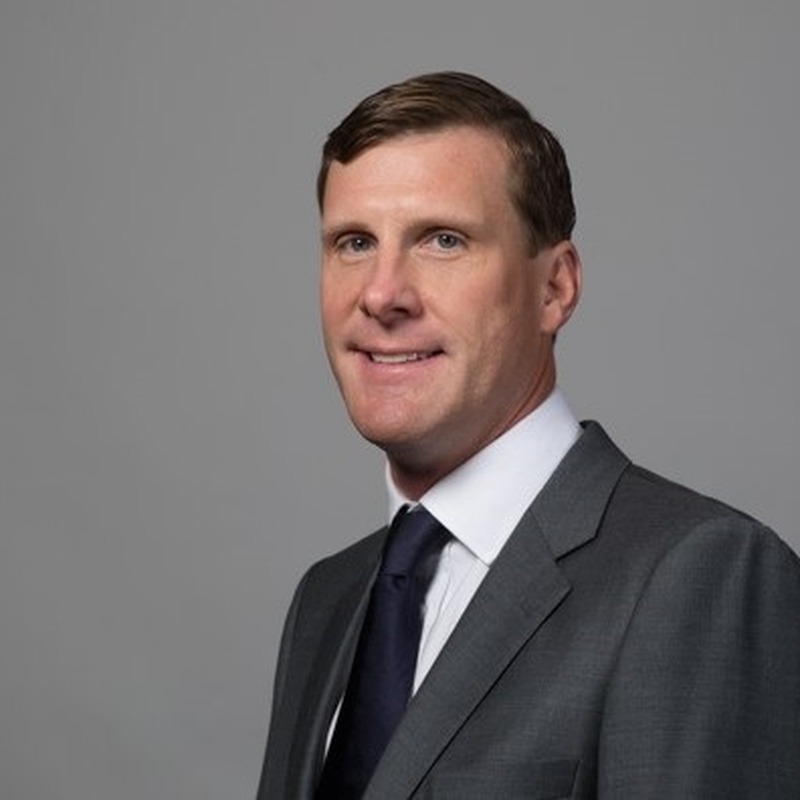
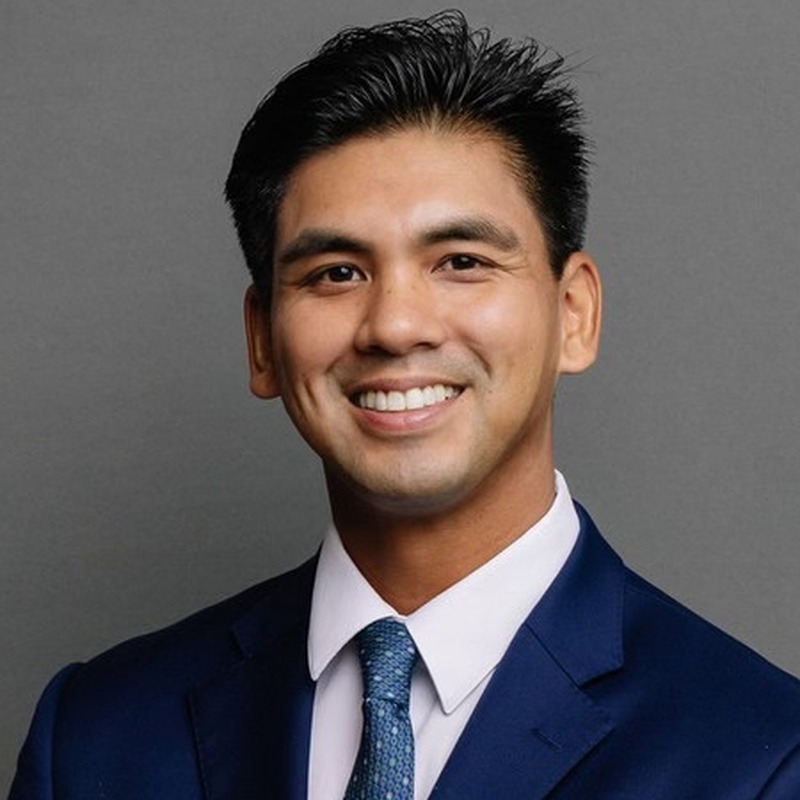
One of these eight people would lead your engagement.
When you decide to sell a mechanical contracting business with CGK, one named senior Managing Director stays with you from the first call through the wire transfer, just like Frank’s Managing Director stayed with him for thirteen months and then for the engagement that followed. Our Managing Directors come from Wall Street investment banks, hedge funds, Fortune 500 corporate finance, and operating-business leadership. Cornell MBA. U Chicago Booth MBA. CFA. CMT. Naval Academy. Goldman Sachs. Merrill Lynch. Deutsche Bank. AIG. T. Rowe Price.






What sellers say after they sell a mechanical contracting business (and other businesses) with CGK
I could not be happier with the experience I had selling my business with CGK. Greg did a detailed analysis of my business and helped me price and position it right for the market. After receiving multiple offers at full asking price, the rest of the process went very smoothly, and we closed in less than two months.
Hanna M.Selling my business was a once-in-a-lifetime experience, and I’m incredibly grateful to have had Wes by my side throughout the process. He brought perspective, pushed when necessary, and always had my best interests in mind. His experience and strategic approach allowed me to maximize the sale price while minimizing long-term risk and obligations. If I had to do it all over again, I wouldn’t hesitate to choose him as my broker.
Adam NevilleDerik located multiple interested strategic buyers that produced more than one serious offer. The negotiations were tough but Greg and Derik’s experience helped us overcome. We got a great result for our employees and for the owners. We would recommend them without reservation.
Bob TaylorWe sold a business that was 47 years old and being run by second generation within a year of working with Wes. CGK has a system that attracts serious prospects to review opportunities. Wes was able to make the overwhelming feeling of selling easy and to a certain extent enjoyable. I never felt alone or in the dark throughout the entire process.
Jennifer WilliamsWe decided to sell our company in 2025. Talked to another M&A company in the Houston area. We felt very comfortable with Greg and Matthew at CGK. Could not have made a better choice. From day 1 till final closing and even after 30+ days, they have been here helping us with documents and support during the transition. Thanks can not be said enough.
Rickey ThomasInside the Blueprint, on Bloomberg TV and Fox Business News.
Frank’s older daughter, the dentist, is the one who first sent him a clip of CGK on Bloomberg. She had been watching the episode after a long Friday at her practice and the segment mentioned CGK by name; she sent the link to him with a note that read “Dad, talk to these people.” CGK Business Sales is featured on Inside the Blueprint, the syndicated business television series. Our episode aired on Bloomberg TV and Fox Business News. Watch the segment, then start a confidential conversation about how to sell a mechanical contracting business with CGK.
The CGK office Frank called was in his local Texas market. Yours might be one of these.
When you sell a mechanical contracting business with CGK, whichever office you reach, you get the entire firm. Frank worked with a CGK Managing Director based out of his local Texas market, but his deal benefited from a buyer pool we sourced firm-wide, including the family office that ultimately won. Click any city to learn about our local presence and the named Managing Director leading that market.
Other Questions Frank and Other Mechanical Contracting Sellers Ask Us
Practical answers to what comes up before, during, and after the kind of engagement Frank went through, when you sell a mechanical contracting business with CGK.