
This is Sophia’s story.
How to sell a restoration business at the right time, to the right buyer, for the right price is the question Sophia Russo had been turning over for nearly two years before she picked up the phone. When the right time came, she called CGK Business Sales. Sophia ran a $9.5M water, fire, and mold restoration firm in the Baltimore metro, with forty-two full-time employees plus an on-call subcontractor network of about twenty-five trades professionals who flexed up during major weather events and large fire-or-flood losses. The work split across three principal lines: water-damage mitigation and reconstruction (around 55 percent of revenue), fire and smoke restoration (around 30 percent), and mold remediation (around 15 percent). About 88 percent of revenue came through insurance billing under Xactimate, with the remaining 12 percent commercial direct-bill on facility-services contracts. The firm was a member of one of the major restoration franchise networks and held the relevant IICRC certifications across water (WRT), fire (FSRT), and mold (AMRT) practice areas. She was 49. She had founded the firm in 2012 after a decade as a project manager at a regional general contractor, building the restoration side initially as a counter-cyclical revenue stream and then growing it into a standalone platform. Her marriage had ended the prior year and the divorce settlement was ready to close, which had focused her thinking about what the next ten years should look like for her two kids in Baltimore County middle school and herself. The restoration consolidation thesis had been live for years, with Servpro / BluSky / Belfor adjacencies and a layer of mid-tier private restoration networks calling firms in her revenue band more aggressively over the prior eighteen months. She came to us in mid-2024 because she was thinking seriously about what came next and did not know who else to talk to about how to sell a restoration business at this size, with this insurance-billing complexity, in a market where the buyer pool reshuffled around the franchise-network and PE-consolidator dynamics. This page is what happened next, and what could happen for you. Sophia is a composite, not a single real CGK seller, but the patterns and details are pulled from real restoration engagements.
The night before Sophia called us.
Most owners who decide to sell a restoration business have been thinking about it quietly for a year or two before they pick up the phone. Sophia was no different. She was 49. For thirteen years she had been the principal estimator on every Xactimate scope of consequence, the relationship person on every adjuster, third-party administrator, and TPA-network contact she had built over a decade, the recruiting and training lead for every new mitigation technician and every new project manager, the on-call escalation point during every major storm event when basements flooded across Baltimore City and Baltimore County and crews needed twelve hours of authorization decisions in a single afternoon, and the senior arbiter on every customer complaint that landed at the principal’s door. The business did $9.5 million in annual revenue, $2.1 million in EBITDA at restoration-typical 22 percent margins, forty-two full-time employees, and an on-call subcontractor network of about twenty-five trades professionals who flexed up during major weather events. About 88 percent of revenue ran through Xactimate insurance billing, with the remaining 12 percent commercial direct-bill on facility-services contracts. The firm held IICRC certifications across water (WRT), fire (FSRT), and mold (AMRT) practice areas, and was a member of one of the major restoration franchise networks.
Why owners decide to sell a restoration business
Sophia’s marriage had ended the year before and the divorce settlement was ready to close. Her two kids were both in middle school in the same Baltimore County suburb where she had built the firm, and Sophia herself was a third-generation Baltimore Italian-American whose grandparents had emigrated from Calabria and settled in Highlandtown in the 1950s, with her parents still living in the family rowhouse off Eastern Avenue and Sophia and her kids attending St. Leo the Great parish in Little Italy on the holidays they spent as a family, and the next ten years of their lives included a high-school cycle, a college cycle, and the financial obligations that came with both. The bigger pressure was the consolidation thesis: the restoration M&A market had been live for ten years and the calls from PE-backed restoration consolidators (Servpro / BluSky / Belfor adjacencies plus a layer of mid-tier private restoration platforms) had been getting more frequent over the prior eighteen months. Three peer firms in her Baltimore-DC corridor market had been acquired by regional consolidators in 2024 and 2025, with the buyer pool actively shopping for diligence-clean firms with strong insurance-network relationships and clean Xactimate-driven billing histories. Sophia had been approached seven times in the prior fourteen months: four times by PE-backed restoration consolidator platforms in the mid-tier band, twice by larger Servpro / BluSky / Belfor-tier strategics, and once by a privately-held multi-generation restoration network platform building a Mid-Atlantic platform under family ownership rather than PE financing, headquartered in Bethesda with locations across DC, Northern Virginia, Baltimore, Richmond, and Norfolk plus a few outposts in PA and DE. Sophia did not know what her firm was actually worth at $9.5 million revenue and $2.1 million in EBITDA. She did not know whether the buyers calling were the right buyers for her project managers, her mitigation technicians, and her on-call subcontractor network. She did not know whether her IICRC certifications and her insurance-network relationships were value drivers or table stakes. She did not have a single peer in her life who had ever sold a restoration business at this size and insurance-billing complexity.
That is the night she found CGK and submitted the form. We called her back at 8:39 the next morning.
The conversation we had on the first call.
The first call was 51 minutes. We did most of the listening.
Sophia talked about her project managers and the way each one carried a different kind of book (one was the senior water-damage lead with twelve years at the firm, one was the fire-and-smoke specialist with ten years, one was the mold-remediation lead with seven years and the technical credentials to anchor difficult cases). She talked about her insurance-network relationships and the way each TPA had its own scope-and-rate idiosyncrasies that had taken years to learn (the way certain national insurance carriers and Mid-Atlantic regional carriers active in Baltimore approved or rejected scope items, the way Xactimate’s pricing tables shifted by region and by quarter, the way preferred-vendor program assignments worked differently across each network). She talked about her franchise-network membership and the way the franchise had been a real lead-generator in the early years but had become a smaller percentage of her revenue as her direct-marketing relationships had grown. She talked about her on-call subcontractor network of twenty-five trades professionals and the way that network was effectively the firm’s surge capacity during major events. She talked about the staffing question (project managers were getting harder to recruit at her revenue band, and mitigation technicians were a younger workforce with higher churn). We asked about the business in the way you would ask if you were trying to understand it, not in the way you would ask if you were trying to win the engagement. What we were listening for was not just the financials. We were listening for whether Sophia was actually ready to sell, what she was working toward, and whether her expectations on price were grounded in what the market would actually support.
At the end of that call, we set up a working session: an in-person conversation where one of our Managing Directors would walk Sophia through our valuation model and tell her honestly what her firm was likely to command. We did not promise her a written report. Written valuations involve substantially more work, and we charge for those when a seller actually needs one for estate planning, a partner buyout, a divorce, or another documentary purpose. The walkthrough was free because Sophia was clearly thinking seriously about selling, the way someone thinks about it before they actually do it. Whether that ends up being in a year, three years, or longer, we make the same call.
The valuation session was the following Wednesday at 8 a.m. at the firm’s office, after morning kid-drop-off and before the daily 10 a.m. operations huddle.
Sophia was not ready to sell a restoration business yet. She went home and waited eight months.
The valuation session showed Sophia that her firm was worth meaningfully less than she had been hoping, but for reasons that surprised her. Two issues were dragging the number down. The first was the project-manager bench depth. Her three project managers were genuinely strong, but each was effectively a single point of failure on her practice area (water, fire, mold), and a sophisticated buyer’s diligence team was going to underwrite the loss-of-key-PM scenario aggressively. The second was the insurance-network relationship documentation. Sophia had real, deep relationships with adjusters and TPAs across multiple national insurance carriers, but those relationships lived in her phone and in her ten years of accumulated trust rather than in any kind of formal report a buyer’s diligence team could review. The buyer pool, especially the PE-backed restoration consolidators, paid premium multiples for documented insurance-network depth because that depth translates directly into top-of-funnel volume under their integration playbooks.
We told Sophia honestly: she could go to market now and accept the discount, or she could spend six to nine months elevating one mitigation technician in each practice area into a deputy-PM role to add bench depth (so each practice area had two-deep coverage), formally documenting her insurance-network relationships into a sixty-page diligence-grade report (TPA-by-TPA scope-and-rate history, adjuster-relationship documentation, preferred-vendor-program enrollment status across networks, claim-volume trends by network), packaging her Xactimate-driven billing history into a clean diligence asset (write-off rates, cycle-time-to-payment by carrier, scope-dispute history), and tightening the on-call-subcontractor-network agreements to make the surge capacity formally transferable. We said the second path would likely command a meaningfully better number from a wider range of buyers, especially the privately-held multi-generation restoration networks and the patient-capital regional consolidators that pay premiums for diligence-clean restoration firms with documented insurance-network depth.
This is the part most brokers skip. Most brokers would have signed Sophia that day, taken her to market, and made the commission whether or not the deal was the best one for her. We told her to wait, even though it meant we did not get paid for eight months and might never get paid at all if she changed her mind.
Sophia went home and waited. She spent the next eight months elevating one mitigation technician in each practice area into a deputy-PM role (water, fire, and mold each had two-deep coverage by the end of the wait), packaging the insurance-network relationships into a sixty-page diligence report with TPA-by-TPA history and claim-volume trends, formalizing the Xactimate-driven billing history into a packageable diligence asset, and locking the on-call-subcontractor-network agreements to make the surge capacity formally transferable. She read up on what active acquirers were paying for restoration firms through resources from the Restoration Industry Association and tracked deal news in the restoration-industry M&A press. She called us back in mid-2025 and said she was ready to sell a restoration business that was finally in the shape it needed to be in.
What we did when Sophia came back.
What it takes to sell a restoration business properly
When an owner is ready to sell a restoration business with CGK, the speed surprises them. We took Sophia’s firm to market in just under four weeks once she got us her updated financials, the sixty-page insurance-network relationship report, the Xactimate-driven billing history with cycle-time and write-off metrics by carrier, the deputy-PM bench documentation across all three practice areas, the IICRC certifications by practice area and by employee, the franchise-network member documentation and the trends in franchise-driven versus direct-marketing leads, the on-call-subcontractor-network agreements with surge-capacity terms, and the full P&L breakouts across water, fire, and mold practice areas. The blind teaser went out to 56 buyers we had pre-qualified across five buyer types: PE-backed mid-tier restoration consolidator platforms building regional restoration density (the most active band of consolidators below the megacaps), Servpro / BluSky / Belfor-tier strategics with national consolidation theses, privately-held multi-generation restoration network platforms building long-hold regional platforms (no PE backing, family-office or operator-CEO capital), individual operator-buyers with restoration-industry experience using SBA-leveraged or personal capital, and a small set of strategic acquirers from adjacent verticals (insurance-services platforms looking to vertically integrate restoration, large general contractors looking to internalize restoration capability).
Forty-one of those buyers signed NDAs and received the full Confidential Information Memorandum. Twenty-eight entered our structured data room. Sixteen submitted Indications of Interest. Eight advanced to Letters of Intent. We narrowed to four for management presentations. Three re-submitted refined LOIs after the management meetings.
Sophia decided between two of the top LOIs. They were materially different. One was a higher headline price from a Servpro-tier strategic that wanted to absorb Sophia’s firm into a national restoration platform, with a conventional escrow structure, an aggressive earnout tied to insurance-network claim-volume retention over three years (a structure Sophia found uncomfortable because claim volume is not fully within the seller’s control once the integration begins), a franchise-membership-harmonization mandate that would have shifted the firm into the strategic’s national franchise structure, and a fund-cycle hold horizon. The other was a slightly lower headline price from a privately-held multi-generation restoration network platform building a Mid-Atlantic regional platform under family ownership rather than PE financing, headquartered in suburban Maryland with operating locations across the Baltimore-DC corridor and into Richmond and Norfolk, with a longer hold horizon, a thesis around preserving local-firm identity, and a willingness to integrate the deputy-PM bench, the insurance-network relationships, and the on-call-subcontractor network without re-routing them through a national playbook. We walked Sophia through what each LOI would actually deliver under realistic and pessimistic scenarios, including what the cultural continuity would look like for her three project managers, her deputy-PM bench, and her on-call-subcontractor network under each owner. The privately-held multi-generation network deal was the better one for Sophia. The cash position day one was meaningfully stronger when normalized for the absence of the insurance-network earnout, the franchise-membership preservation was structurally cleaner than a forced harmonization, and the cultural fit with a family-owned platform that valued long-hold operating performance over fund-cycle exits mattered to Sophia deeply. She took it.
Through the whole process, the same CGK Managing Director who had taken Sophia’s first call eight months earlier was the person walking her through every conversation.
What the deal actually looked like.
How the deal looks when you sell a restoration business with CGK
Sophia’s deal closed roughly six months after we restarted the engagement. The buyer was a privately-held multi-generation restoration network platform building a Mid-Atlantic regional platform headquartered in Bethesda with branches in DC, Northern Virginia, Baltimore, Richmond, and Norfolk, capitalized with multi-generational family capital plus a senior credit facility from a restoration-industry-experienced regional lender. The platform was not PE-backed and had no fund-timer pressure to flip the firm inside a defined hold period. They acquired the firm as a stock purchase, with the firm operating as a discrete branch under the combined platform, retaining its franchise-network membership, its IICRC certifications, its insurance-network relationships, and its on-call subcontractor network, and integrating into the platform’s broader Mid-Atlantic operations infrastructure over the first year.
The headline price was meaningful but not the highest LOI she received. About 80 percent of it came as cash at closing, funded by the platform’s family capital plus the senior credit facility. About 8 percent was held back in escrow for 18 months to cover indemnification claims, a working-capital adjustment, and small carve-outs for any Xactimate-billing-history or claim-dispute issues that could surface during the transition window. About 12 percent was a rollover equity stake into the platform’s combined Mid-Atlantic operating entity, structured with an 18-month performance window tied to insurance-network claim-volume retention metrics. The rollover-with-claim-retention structure aligned the platform’s operating thesis with the insurance-network depth Sophia had spent eight months packaging, which was a structural advantage neither party would have gotten under a more conventional revenue-growth earnout. Wire hit on a Tuesday morning in November while Sophia was watching WBAL-TV’s morning news in her Towson office.
Sophia stayed on as a paid Branch President for the platform’s combined Baltimore-DC operations for sixteen months after closing, which let her personally introduce her three project managers and her deputy-PM bench to the new ownership, walk through every TPA and insurance-carrier relationship with the relevant adjusters and claim handlers, lead the integration of one follow-on acquisition the platform completed in the twelve months post-close in a sister Mid-Atlantic metro (a Gaithersburg-Rockville-Frederick area firm in suburban Maryland), and shape the franchise-network strategy across the platform’s broader Mid-Atlantic footprint covering Maryland, Virginia, DC, Delaware, and Pennsylvania. After sixteen months, Sophia stepped back to a quarterly strategic-advisor role that gave her room to be home for her kids’ school years and to start the small consulting practice she had been thinking about for two years.
What happened to Sophia’s people.
Sophia cared most about her three project managers (the senior water-damage lead with twelve years, the fire-and-smoke specialist with ten years, the mold-remediation lead with seven years and the technical credentials), her newly-elevated deputy-PM bench across the three practice areas, her thirty-eight mitigation technicians (some long-tenured, many in the under-five-year band that turns over at industry-typical rates), and the on-call subcontractor network of twenty-five trades professionals that effectively became the firm’s surge capacity during major events. The privately-held multi-generation platform was a permanent-build operator who would actually run the branch with the existing leadership rather than parachute in a corporate consultant from a Big Four playbook. That made the people part substantially cleaner than it would have been under a Servpro-tier strategic that would have absorbed Sophia’s project managers into shared regional operations and harmonized the technician compensation against a national standard.
The buyer kept all 42 full-time employees, honored the existing pay structure across project managers and mitigation technicians, and committed to keeping all three practice-area project managers in their roles with expanded scope under the platform’s combined Baltimore-DC operations. The deputy-PM bench Sophia had elevated during the wait period was preserved with formal stay-bonus packages tied to two-year performance windows. The on-call subcontractor network agreements were preserved as separate vendor contracts under the new ownership rather than being absorbed into a national subcontractor pool. The franchise-network membership was retained, and the IICRC certifications transferred cleanly to the combined platform.
Sophia’s two kids spent closing weekend at their grandparents’ Highlandtown rowhouse off Eastern Avenue while she finished the paperwork. Her parents took her out to dinner that Saturday night at the same Little Italy restaurant where her grandparents had eaten on Sundays for forty years. The following week, Sophia took both kids to Florence for ten days during fall break, used the time to introduce them to the part of her family’s history they had never seen in person, and started a quiet conversation with herself about whether the work she wanted to do in the next decade would be inside the platform, on the restoration-industry boards she had been declining for two years, or somewhere new entirely.
What Sophia told us afterward.
Why owners who sell a restoration business with CGK keep coming back
About five months after closing, Sophia called the Managing Director who had run her deal. She said two things that the Managing Director still tells new sellers about.
The first was about the eight-month wait. She said: “Two of the buyers who had been calling me were ready to move in thirty days, and three different M&A advisors I talked to before you told me they could take me to market right then with the project-manager-bench question wide open. The reason I sold with you is that you told me the truth about how my insurance-network depth was actually being valued by buyers, the truth about what the loss-of-key-PM scenario would look like in a sophisticated buyer’s diligence, and the truth about what packaging the Xactimate billing history would buy me in LOI conversations a year later. You told me what would happen to the price if I went out without fixing those things. I would have left a real number on the table.”
The second was about who she sold to. She said: “I almost signed with the Servpro-tier strategic because the headline price was bigger and they had a slick presentation. The fact that you walked me through what each buyer would actually do with my three project managers, my deputy-PM bench, and the insurance-network depth I had spent eight months packaging, what each buyer’s hold horizon would mean for the firm three and five years out, and how an integrated transaction with a multi-generation family-owned platform was structurally different from a fund-cycle strategic that wanted to harmonize my franchise membership against a national playbook, is a conversation I never even thought to have until you raised it. I sold to a buyer who is going to grow this firm with the team I built it with.”
This is what we mean when we say we sit with you in the decision, not just the transaction. Sophia is one composite story, but the pattern is real. The owners we work with who decide to sell a restoration business usually find their way to us through versions of Sophia’s situation, and the relationships start with a long listening session and a free walkthrough, not a pitch.
Ready to sell a restoration business? Where are you in Sophia’s story?
If you are starting to think about how to sell a restoration business, we should talk. There is no commitment and no pressure. The first conversation is free. The valuation walkthrough that follows is free when you are seriously thinking about selling, whether that is in a year, five years, or longer. We only charge for formal written valuations, and only when you actually need one for estate planning, a partner buyout, or another documentary purpose. Submit the form and a senior CGK Managing Director will reach out within one business day.
If you are Sophia at month 1: just exploring
You are not sure if you want to sell yet. The restoration consolidation thesis keeps shifting, your project-manager bench depth is thinner than you would like, your insurance-network relationships are deep but you have not packaged them for a buyer, your kids are heading into expensive school years, your spouse situation is changing, you are curious about how a buyer would value your water versus fire versus mold practice areas, or maybe a PE-backed restoration consolidator or a Servpro-tier strategic has been calling you. Most of our best engagements start here. Submit the form and we will schedule a working session. You walk away with a real number and a clear sense of what to do next, with no obligation to do anything.
If you are Sophia at month 8: ready to go
You have done the work to clean up the firm. The financials are tight. Your project-manager bench is two-deep across each practice area. Your insurance-network relationships are documented in transferable form. Your Xactimate billing history is packaged with cycle-time and write-off metrics by carrier. Your IICRC certifications are organized by employee and by practice area. Your on-call subcontractor agreements are formalized. Maybe a buyer is already in the conversation. You want to run a real process. Submit the form and we will be in touch within a business day to talk about timing, scope, and what your first 30 days as a CGK seller would look like.
If you are not sure where you are
Most owners are not sure. Submit the form and start with the conversation. We will figure out together where you are. We are equally happy to tell you to wait twelve months as we are to take you to market in three weeks.
Or call us directly at (888) 858-7191.
Start your own story
A senior CGK Managing Director will respond within one business day. Strictly confidential. For owners of restoration businesses doing $1.5M+ in annual revenue, including water damage mitigation operators, fire and smoke restoration firms, mold remediation specialists, contents-restoration operators, and integrated property-restoration platforms. The first conversation and the valuation walkthrough that follows are free for any seller seriously thinking about selling, on any horizon.
Confidential. No obligation. Direct routing to a named CGK business broker, not a junior screener.
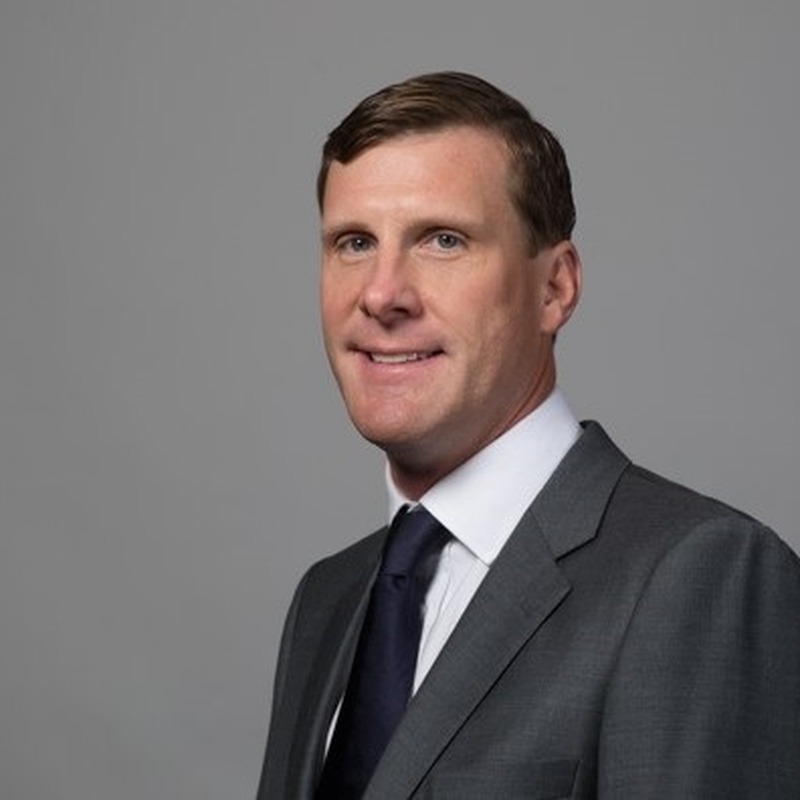
One of these eight people would lead your engagement.
When you decide to sell a restoration business with CGK, one named senior Managing Director stays with you from the first call through the wire transfer, just like Sophia’s Managing Director stayed with him for ten months and then for the engagement that followed. Our Managing Directors come from Wall Street investment banks, hedge funds, Fortune 500 corporate finance, and operating-business leadership. Cornell MBA. U Chicago Booth MBA. CFA. CMT. Naval Academy. Goldman Sachs. Merrill Lynch. Deutsche Bank. AIG. T. Rowe Price.







What sellers say after they sell a restoration business (and other businesses) with CGK
I could not be happier with the experience I had selling my business with CGK. Greg did a detailed analysis of my business and helped me price and position it right for the market. After receiving multiple offers at full asking price, the rest of the process went very smoothly, and we closed in less than two months.
Hanna M.Selling my business was a once-in-a-lifetime experience, and I’m incredibly grateful to have had Wes by my side throughout the process. He brought perspective, pushed when necessary, and always had my best interests in mind. His experience and strategic approach allowed me to maximize the sale price while minimizing long-term risk and obligations. If I had to do it all over again, I wouldn’t hesitate to choose him as my broker.
Adam NevilleDerik located multiple interested strategic buyers that produced more than one serious offer. The negotiations were tough but Greg and Derik’s experience helped us overcome. We got a great result for our employees and for the owners. We would recommend them without reservation.
Bob TaylorWe sold a business that was 47 years old and being run by second generation within a year of working with Wes. CGK has a system that attracts serious prospects to review opportunities. Wes was able to make the overwhelming feeling of selling easy and to a certain extent enjoyable. I never felt alone or in the dark throughout the entire process.
Jennifer WilliamsWe decided to sell our company in 2025. Talked to another M&A company in the Houston area. We felt very comfortable with Greg and Matthew at CGK. Could not have made a better choice. From day 1 till final closing and even after 30+ days, they have been here helping us with documents and support during the transition. Thanks can not be said enough.
Rickey ThomasInside the Blueprint, on Bloomberg TV and Fox Business News.
Sophia’s brother, an insurance-industry adjuster who had referred restoration work to her firm for a decade, is the one who first sent her a clip of CGK on Bloomberg. He had been watching the segment in the morning while reviewing claim files and recognized the firm name from a restoration-industry trade article about how to sell a restoration business he had forwarded to her three months earlier. He sent her the link with a note that read “Sophia, this is the firm.” CGK Business Sales is featured on Inside the Blueprint, the syndicated business television series. Our episode aired on Bloomberg TV and Fox Business News. Watch the segment, then start a confidential conversation.
The CGK office Sophia called was the CGK Baltimore office. Yours might be one of these.
When you sell a restoration business with CGK, whichever office you reach, you get the entire firm. Sophia worked with a CGK Managing Director based out of the firm’s Baltimore office, but her deal benefited from a buyer pool we sourced firm-wide, including the privately-held multi-generation Mid-Atlantic restoration network platform that ultimately won the deal. Click any city to learn about our local presence and the named Managing Director leading that market.
Other Questions Sophia and Other Restoration Sellers Ask Us
Practical answers to what comes up before, during, and after the kind of engagement Sophia went through, when you sell a restoration business with CGK.