This is István’s story.
How to sell a dental lab business at the right time, to the right buyer, for the right price is the question István Kovács had been turning over for nearly two years before he finally picked up the phone. When the right time came, he called CGK Business Sales. István ran a full-service dental lab in Falls Church, Virginia, serving roughly 140 active dentist accounts across DC, Northern Virginia, and central Maryland. The lab did $5.8 million in annual revenue and roughly $1.3 million in EBITDA, with twenty-eight W-2 dental technicians moving across the bench each week: István plus a senior bench of CDT-certified technicians, mid-level technicians, and apprentices. The lab ran 55 percent on fixed prosthetics (zirconia and lithium disilicate crowns and bridges, all-ceramic restorations, traditional PFM work where the case still called for it), 30 percent on implant prosthetics (custom abutments, screw-retained restorations on Straumann, Nobel Biocare, and BioHorizons platforms), and 15 percent on orthodontic appliances (retainers, expanders, and clear-aligner production for orthodontists who preferred a regional partner over the national consumer brands). Recent capex had been heavy on the digital side: five CAD/CAM milling centers running 3Shape and exocad workflows, two 3D printers handling models, and one printer producing permanent restorations. Roughly 78 percent of incoming case volume arrived as intraoral-scanner data rather than physical impressions. The lab was an FDA-registered medical device manufacturer under 21 CFR 872 with an ISO 13485 quality management system that had been third-party audited every cycle since 2019. István was 61. He had built the business with his late father, who had immigrated from Budapest in 1981 and worked as a junior tech at a Bethesda lab before they opened their own shop in Falls Church in 1995. His father passed in 2023. His two daughters, a periodontist in Bethesda and a UX designer in Brooklyn, were not taking over. He came to us in mid-2025 because he did not know who else to talk to about how to sell a dental lab business at this size, with this CAD/CAM and 3D printing capex, with this customer concentration profile, and with a senior CDT bench that had been with him fifteen, twenty, and twenty-two years. This page is what happened next, and what could happen for you. István is a composite, not a single real CGK seller, but the patterns and details are pulled from real dental lab engagements.
The night before István decided to sell a dental lab business.
Most owners who decide to sell a dental lab business have been carrying the question quietly for a year or two before they reach for the phone. István was no different. He was 61. For thirty years he had been the named principal on the FDA medical device manufacturer registration that every dental lab making restorations is required to maintain under 21 CFR 872, the lead signatory on the ISO 13485 quality management system that had been third-party audited every cycle since the lab adopted it in 2019, the relationship lead on roughly 140 active dentist accounts, the technical lead who walked every implant case through the planning stage on Straumann and Nobel Biocare and BioHorizons platforms, and the after-hours phone for any dentist whose patient was in the chair on a Tuesday morning with a temporary that had failed. The lab did $5.8 million in annual revenue, roughly $1.3 million in EBITDA at the upper end of mid-band full-service dental lab norms, and twenty-eight W-2 dental technicians including a senior bench of seven CDT-certified technicians (Trang Nguyen, age 53, lead CDT for fixed prosthetics, twenty-two years at the bench; László Varga, age 49, lead CDT for implant prosthetics, eighteen years; Dávid Horváth, age 44, lead CAD designer running the 3Shape stack, fifteen years; plus four other long-tenured CDTs), eleven mid-level technicians, six apprentices working through their NBC certification cycles, two shipping and logistics leads (Maritza Reyes had run shipping for nine years), a quality assurance manager who owned the ISO 13485 audit cycle, and a billing-and-AR lead who had been with István since 2009. The lab served roughly 140 active dentist accounts across the District of Columbia, Northern Virginia (Falls Church, Vienna, McLean, Tysons, Arlington, Alexandria, Reston, Herndon), and central Maryland (Bethesda, Rockville, Silver Spring), with the top-ten accounts representing approximately 28 percent of revenue and the top-twenty representing approximately 44 percent. Customer concentration sat well inside what a sophisticated dental lab consolidator’s underwriting team would tolerate. About 78 percent of incoming case volume arrived as intraoral-scanner data rather than physical impressions, a digital-workflow maturity number that placed the lab solidly in the upper quartile of independent labs in its size band. The five CAD/CAM milling centers and three 3D printers had been installed between 2021 and 2024.
Why owners decide to sell a dental lab business
The Sunday night István finally submitted the form, his wife Ildikó was at the kitchen table working through the immigration paperwork for an extended stay at the small house outside Pécs that her family had held since the late 1960s. Ildikó had grown up in Vienna, Virginia, the daughter of Hungarian parents who had fled in the years after the 1956 uprising, and she and István had been talking for two years about how to spend more time in the home village without selling either the Falls Church house or István’s stake in the lab. Their older daughter Anna was 33, a periodontist with a small practice in Bethesda, and had been clear from the start that she did not want to take over a lab whose customer mix included her own clinical referrers. Their younger daughter Réka was 29, a UX designer in Brooklyn, and the lab work had never been a fit. István’s father Béla, who had immigrated from Budapest in 1981 after working as a junior tech at a Bethesda lab during the late stages of his Hungarian engineering career, had passed in November 2023. Béla had been the one who walked the lab floor every day until eight months before he died, and the eighteen months between Béla’s death and the Sunday night István finally submitted the form had been the slowest period of grief and decision-making he had ever moved through. Trang Nguyen, the lead CDT for fixed prosthetics who had been with István since the lab moved into its current Vienna-side Falls Church location in 2003, was seven years older than him and had told him quietly in the spring of 2025 that she was ready to step back to a four-day week within two years. László Varga, the lead CDT for implant prosthetics, was committed to staying through any reasonable transition. Dávid Horváth, the lead CAD designer running the 3Shape and exocad workflows, had been the one to push the lab into the heavier 3D printing investment in 2024 and was excited about wherever the digital workflow went next. István had been approached eleven times in the prior eighteen months: five times by PE-backed dental lab consolidators headquartered out of Nevada, Texas, and the upper Midwest, three times by regional aggregators trying to build a Mid-Atlantic footprint, twice by dental support organizations exploring whether to insource lab work for their own clinical networks, and once by a long-tenured competitor in Rockville whose owner was thinking about a tuck-in. István did not know what his lab was actually worth at $5.8 million revenue and $1.3 million EBITDA, with the ISO 13485 status, the FDA registration cleanliness, the CAD/CAM and 3D printing capex, the 78 percent digital-workflow share, the seven-CDT senior bench, and the customer concentration sitting at 28 percent on the top ten. He did not know whether the firms calling him were the right buyers for Trang, László, Dávid, Maritza, or any of the other long-tenured technicians on the bench. He did not know whether his ortho appliance line was a value driver or a wash given the rise of national clear-aligner brands. He did not have a single peer in his life who had ever sold a dental lab business at this size, with this digital workflow maturity, with this senior CDT depth.
That is the night he found CGK and submitted the form. We called him back at 8:11 the next morning, while István was at the lab walking the morning case-receipt cycle with Maritza and the shipping leads.
The first call about how to sell a dental lab business.
The first call ran 58 minutes. We did most of the listening.
Owners who think about how to sell a dental lab business in their early sixties, like István, usually carry the same handful of pressures into the first call. István talked about Trang Nguyen and the way Trang had been the practical operator of the fixed-prosthetics bench since the lab’s first ceramic press oven was installed in 2003. He talked about László Varga and the way László had built the implant-prosthetics line one Straumann case at a time, then one Nobel case, then one BioHorizons case, until implant work was 30 percent of revenue and one of the two highest-margin lines in the lab. He talked about Dávid Horváth and the way Dávid had pushed the lab through the 3Shape rollout in 2018 and then through the exocad parallel adoption in 2022 and then through the 3D printing investments of 2023 and 2024. He talked about the seven-CDT senior bench and the four mid-level technicians training toward NBC CDT certification on a defined apprenticeship runway. He talked about the eleven other mid-level technicians, the six apprentices on their NBC certification track, the two shipping and logistics leads, the quality assurance manager who owned the ISO 13485 audit cycle, and the billing-and-AR lead. He talked about the roughly 140 active dentist accounts, the top-ten concentration at 28 percent and the top-twenty at 44 percent, the named relationships across the District of Columbia, Falls Church, Vienna, McLean, Tysons, Arlington, Alexandria, Reston, Herndon, Bethesda, Rockville, and Silver Spring. He talked about the FDA medical device manufacturer registration under 21 CFR 872, the ISO 13485 quality management system, the third-party audit cycle, the precious-metals supply relationships, the zirconia and lithium disilicate block contracts, the 3Shape and exocad seat licenses, the Straumann and Nobel Biocare and BioHorizons implant component arrangements, and the five CAD/CAM milling centers plus three 3D printers installed between 2021 and 2024. He talked about Béla and the way Béla had walked the bench every day until the last few months of his life. He talked about Ildikó and the home village outside Pécs and the shape of the next phase. He talked about Anna and Réka, neither of whom would take over. We asked about the lab the way you would ask if you were trying to understand it, not the way you would ask if you were trying to win the engagement. What we were listening for was not just the financials. We were listening for whether István was actually ready to sell, what he was working toward, and whether his expectations on price were grounded in what the dental lab M&A market would actually support.
At the end of that call, we set up a working session: an in-person conversation where one of our Managing Directors would walk István through our valuation model and tell him honestly what his dental lab business was likely to command. We did not promise him a written report. Written valuations involve substantially more work, and we charge for those when a seller actually needs one for partnership buyout, estate planning, or another documentary purpose. The walkthrough was free because István was clearly thinking seriously about how to sell a dental lab business, the way someone thinks about it before they actually do it. Whether that ends up being in a year, five years, or longer, we make the same call.
The valuation session was the following Wednesday at 7:30 a.m. at the Falls Church lab, before the morning case rush and after Maritza had finished walking the receiving area through the Tuesday batch of incoming impressions and scanner-data files.
István was not ready to sell a dental lab business yet. He went home and waited five months.
The valuation session showed István that his dental lab business was worth meaningfully more than he had been hoping in some areas and meaningfully less in others, which is how these conversations usually go. The ISO 13485 quality management system status (third-party audited every cycle since 2019), the FDA medical device manufacturer registration cleanliness under 21 CFR 872, the seven-CDT senior bench (Trang, László, Dávid, plus four other long-tenured CDTs), the 78 percent digital-workflow share on incoming cases, the CAD/CAM and 3D printing capex stack (five milling centers, two model printers, one permanent-restoration printer, all installed between 2021 and 2024), the implant prosthetics line at 30 percent of revenue across Straumann, Nobel Biocare, and BioHorizons platforms, the customer concentration sitting inside what a sophisticated dental lab consolidator would tolerate, the 140 active dentist accounts across the DC, Northern Virginia, and central Maryland markets, and the thirty-year operating history under a single founding family were all premium-multiple drivers a sophisticated PE-backed dental lab consolidator would pay up for. Three issues, though, were dragging the number down. The first was the senior-bench retention story. István had verbal arrangements with Trang, László, and Dávid but nothing on paper, and a sophisticated buyer’s diligence team was going to underwrite the senior CDT bench (especially Trang and László, who together represented the practical operating depth across fixed prosthetics and implant prosthetics) as a transition-risk factor unless the lab went to market with formal multi-year retention agreements in place. The second was the dentist-account documentation. The lab had account-by-account monthly case volume data inside the management system, but the trailing-thirty-six-month cohort analysis a sophisticated buyer’s underwriting team would want to see (monthly recurring case volume per active doctor, churn cohort behavior, top-ten and top-twenty concentration rolling on a quarterly basis, average revenue per case by sub-segment, win-loss data on accounts the lab had courted but not closed) had never been pulled into a buyer-grade format. The third was the precious-metals and zirconia supply documentation. The lab carried meaningful inventory across gold-content alloys, zirconia blocks, lithium disilicate ingots, and PMMA, and the inventory accounting was clean for tax purposes but had not been mapped to a quarterly working-capital walk that a buyer would use to set the working-capital peg at close.
We told István honestly: he could go to market now and accept the discount, or he could spend four to five months getting Trang, László, and Dávid on documented multi-year retention agreements, getting the four other long-tenured CDTs on retention windows that matched their tenure, pulling the dentist-account cohort analysis into a buyer-grade format across the trailing thirty-six months, and mapping the precious-metals and zirconia inventory accounting into a working-capital walk a buyer’s underwriter could move on. We said the second path would likely command a meaningfully better number from a wider range of buyers, especially a top-tier PE-backed dental lab consolidator running a long-hold thesis with central support and a brand-preservation acquisition model. The realistic buyer pool for a $5.8 million revenue, $1.3 million EBITDA, full-service dental lab with ISO 13485 status, a seven-CDT senior bench, an implant prosthetics line at 30 percent of revenue, and a 78 percent digital-workflow share is wider than people think, but each band of buyer prices the same lab differently, and the cleaner the diligence file is the more buyers can compete. CGK is an active member of the International Business Brokers Association and the M&A Source, both of which give us deep visibility into the active dental lab buyer landscape, and we follow the trade through the National Association of Dental Laboratories and through the National Board for Certification in Dental Laboratory Technology CDT certification standards.
This is the part most brokers skip. Most brokers would have signed István that day, taken him to market, and made the commission whether or not the deal was the best one for him. We told him to wait, even though it meant we did not get paid for five months and might never get paid at all if he changed his mind.
István went home and waited. He spent the next five months getting Trang, László, and Dávid on three-year retention agreements with formal stay arrangements, getting the four other long-tenured CDTs on two-year retention agreements with comp-step protections, pulling the dentist-account cohort analysis into a buyer-grade format with monthly recurring case volume per active doctor, churn cohort behavior, top-ten and top-twenty concentration rolling on a quarterly basis, and average revenue per case across fixed prosthetics, implant prosthetics, and orthodontic appliances for the trailing thirty-six months, mapping the precious-metals and zirconia inventory accounting into a quarterly working-capital walk a buyer’s underwriter could move on, refreshing the ISO 13485 documentation package ahead of the next third-party audit cycle, and refreshing the FDA medical device manufacturer registration documentation under 21 CFR 872. He read background material on dental lab M&A through the National Association of Dental Laboratories trade resources and stayed close to the National Board for Certification in Dental Laboratory Technology CDT-track resources for the apprentices and mid-level technicians on the bench. He called us back in late 2025 and said he was ready to sell a dental lab business that was finally in the shape it needed to be in.
What we did when István came back.
What it takes to sell a dental lab business properly
When an owner is ready to sell a dental lab business with CGK, the speed of the on-ramp surprises them. We took István’s lab to market in just over six weeks once he got us his updated financials, the documented retention agreements with Trang, László, Dávid, and the four other long-tenured CDTs, the dentist-account cohort analysis across the trailing thirty-six months, the precious-metals and zirconia working-capital walk, the refreshed ISO 13485 documentation package, the FDA medical device manufacturer registration documentation under 21 CFR 872, the sub-mix breakouts (fixed prosthetics, implant prosthetics, orthodontic appliances), the case-flow data showing the 78 percent digital-workflow share by case-receipt format, the equipment-and-leasehold-improvements schedule covering the five CAD/CAM milling centers and three 3D printers installed between 2021 and 2024, the 3Shape and exocad seat-license documentation, the Straumann and Nobel Biocare and BioHorizons implant component supply arrangements, the lease terms on the Falls Church facility, and the senior-bench retention agreement documentation. The blind teaser went out to forty-two buyers we had pre-qualified, a tight funnel because the dental lab M&A buyer pool is structurally concentrated at this size band. Buyers fell across five buckets we routinely use to think about how to sell a dental lab business: PE-backed dental lab consolidators (top-tier platforms running national footprints with central material procurement, central digital workflow infrastructure, central regulatory and ISO compliance, central lab-network analytics, and acquisition theses that operate acquired labs under their original brand names with central support layered underneath), regional dental lab aggregators (privately held, often family-owned, expanding their multi-state footprint through targeted acquisitions and operating acquired labs under their original brand names with a smaller central support stack), dental support organization buyers exploring whether to insource lab capacity for their own clinical networks (an increasingly active buyer band as the largest DSOs continue to vertically integrate their case-mix), owner-operator buyers (typically experienced lab owners from adjacent metros looking to expand geographically through a single acquisition), and family offices building portfolios of medical-device-classification specialty manufacturers. Each bucket prices the same lab differently.
Twenty-nine of the forty-two buyers signed NDAs and received the full Confidential Information Memorandum. Seventeen submitted Indications of Interest after data-room review. Nine advanced to Letters of Intent. We narrowed to six for management presentations. Four re-submitted refined LOIs after the management meetings. Two went into a final-final negotiation cycle. One pulled out late in the cycle on a board approval timing question.
István decided between two of the top LOIs. They were materially different. One was a slightly lower headline price from a regional aggregator headquartered in central New Jersey with seven labs across the Mid-Atlantic and a brand-preservation acquisition model, where each acquired lab kept its existing brand and operated under a smaller central support stack. Under that LOI, the Falls Church lab would keep its existing brand on the storefront, the bench would stay together, and István would step back to a one-year transition consulting role at one day per week. The other was a higher headline price from a top-tier PE-backed dental lab consolidator running a national footprint with central material procurement, central digital workflow infrastructure, central regulatory and ISO compliance support, central lab-network analytics, and a long-hold thesis (the platform was in its second PE ownership cycle and had publicly disclosed an intent to hold for at least another five to seven years), with a brand-preservation acquisition model that routinely acquired regional labs under their original brand names with central support layered underneath. Under that LOI, the Falls Church lab would keep its existing brand, the twenty-eight-person bench would stay at the Falls Church facility, Trang Nguyen would step into a Mid-Atlantic regional CDT mentorship role with the consolidator while keeping her fixed-prosthetics bench leadership through a phased eighteen-month transition, László Varga would continue running implant prosthetics with an expanded mandate that would route additional regional implant case volume to his bench, Dávid Horváth would continue as lead CAD designer with an expanded role on the consolidator’s national digital-workflow standards working group, the four other long-tenured CDTs would continue under their existing comp structure, the eleven mid-level technicians and six apprentices on the NBC certification track would retain their roles and pay structure, the two shipping and logistics leads, the quality assurance manager owning the ISO 13485 audit cycle, and the billing-and-AR lead would retain their roles, the precious-metals and zirconia supply arrangements would transfer cleanly under the consolidator’s central material procurement umbrella, the Straumann, Nobel Biocare, and BioHorizons implant component arrangements would transfer cleanly under the consolidator’s central implant-platform supply contracts, the 3Shape and exocad seat licenses would be retained for at least the first eighteen months before any consolidation onto the consolidator’s enterprise stack, and István would step back to a two-year transition consulting role at one day per week with full freedom to spend the rest of his time on the family time in Pécs that Ildikó had been planning. We walked István through what each LOI would actually deliver under realistic and pessimistic scenarios, including what the cultural continuity would look like for Trang, László, Dávid, the four other long-tenured CDTs, the eleven mid-level technicians, the six apprentices, Maritza, the QA manager, and the billing-and-AR lead under each acquisition structure. The PE-backed consolidator deal was the better one for István. The headline number was higher. The brand preservation kept the Falls Church facility the facility his 140 dentist accounts recognized. The Mid-Atlantic regional CDT mentorship runway gave Trang a path forward that none of the other LOIs offered. The CAD/CAM and 3D printing capex stack was treated as a regional digital-workflow asset rather than as one-off equipment.
Through the whole process, the same CGK Managing Director who had taken István’s first call five months earlier was the person walking him through every conversation.
The deal István took to sell a dental lab business.
How the deal looks when you sell a dental lab business with CGK
This is the part of how to sell a dental lab business that gets the least attention in the trade press and the most attention from owners who have actually closed a transaction: the structure of the consideration package matters more than the headline number. The structure for a full-service dental lab with an ISO 13485 quality management system, an FDA medical device manufacturer registration under 21 CFR 872, a seven-CDT senior bench, an implant prosthetics line at 30 percent of revenue across Straumann, Nobel Biocare, and BioHorizons, a 78 percent digital-workflow share, and a CAD/CAM and 3D printing capex stack installed between 2021 and 2024 is a familiar pattern for a PE-backed dental lab consolidator running a long-hold thesis with a brand-preservation acquisition model. István’s deal closed roughly seven months after we restarted the engagement, the standard CGK dental lab window. The buyer was a top-tier PE-backed dental lab consolidator running a national footprint with central material procurement, central digital workflow infrastructure, central regulatory and ISO compliance support, central lab-network analytics, and central marketing infrastructure layered underneath each acquired lab, in its second PE ownership cycle with a publicly disclosed long-hold thesis through at least the next five to seven years. The acquisition structure was an asset purchase rather than a stock purchase: the lab folded into the consolidator at close while keeping its existing brand on the Falls Church facility, the twenty-eight-person bench stayed in place, Trang Nguyen stepped into a Mid-Atlantic regional CDT mentorship role with the consolidator while keeping her fixed-prosthetics bench leadership through a phased eighteen-month transition, László Varga continued running implant prosthetics with an expanded regional mandate, Dávid Horváth continued as lead CAD designer and joined the consolidator’s national digital-workflow standards working group, the four other long-tenured CDTs continued under their existing comp structure, the eleven mid-level technicians and six apprentices retained their roles and pay structure, the precious-metals and zirconia and implant-component supply arrangements transferred cleanly under the consolidator’s central procurement umbrella, the 3Shape and exocad seat licenses were retained for the first eighteen months before any consolidation onto the consolidator’s enterprise stack, the ISO 13485 audit cycle continued under the consolidator’s central compliance team, and István transitioned to a two-year consulting role at one day per week.
The total deal economic value was approximately $7.4 million, roughly 5.7 times trailing EBITDA, a strong full-service dental lab multiple driven by the ISO 13485 status, the FDA registration cleanliness, the implant prosthetics line at 30 percent of revenue, the 78 percent digital-workflow share, the CAD/CAM and 3D printing capex stack, the seven-CDT senior bench (each on documented multi-year retention agreements), the customer concentration sitting at 28 percent on the top ten, the diversified DC, Northern Virginia, and central Maryland account base, the thirty-year operating history under a single founding family, and the structured succession story István had built during the wait period. About 80 percent of it came as cash at closing. About 12 percent was held back in escrow for 12 months, a standard dental lab escrow window because product liability and warranty exposure on prosthetic restorations is generally surfaced inside the first twelve months post-close. The remaining 8 percent was a rollover-as-equity stake into the consolidator’s holding company, with István’s existing equity converting into the consolidator’s holding-company partnership interests on a vesting schedule tied to his continued two-year consulting involvement and the consolidator’s long-hold thesis runway. The numbers add up to one hundred. Wire hit on a Friday morning at 9:48 a.m. while István was at the Falls Church lab with Trang.
István stayed on as a transition consultant for the consolidator’s Mid-Atlantic region for twenty-four months after closing, dropping to one day per week so he could personally walk the top-ten dentist accounts through the change-of-control conversation, accompany Trang on the consolidator’s Mid-Atlantic regional CDT mentorship rounds, accompany László on the consolidator’s national implant-prosthetics working group, walk Dávid through the consolidator’s national digital-workflow standards process, and shape the consolidator’s DC and Northern Virginia expansion strategy across the additional Bethesda and Tysons-corridor account opportunities the consolidator was already underwriting. After twenty-four months, István stepped back to a quarterly clinical-advisor relationship that gave him room to spend extended time at the home village outside Pécs and at the Falls Church house with Ildikó.
What happened to István’s people and his customers.
The people-side of how to sell a dental lab business usually weighs heavier on the founding operator than the financial-side, even when the financial-side is what triggers the call to a broker in the first place. István cared most about Trang Nguyen (the lead CDT for fixed prosthetics, twenty-two years at the bench), László Varga (lead CDT for implant prosthetics, eighteen years), Dávid Horváth (lead CAD designer, fifteen years), the four other long-tenured CDTs, the eleven mid-level technicians, the six apprentices working through their NBC CDT certification cycles, Maritza Reyes (shipping and logistics, nine years), the quality assurance manager who owned the ISO 13485 audit cycle, the billing-and-AR lead who had been with István since 2009, and the active dentist roster: roughly 140 active dentist accounts across the District of Columbia, Falls Church, Vienna, McLean, Tysons, Arlington, Alexandria, Reston, Herndon, Bethesda, Rockville, and Silver Spring, with the top-ten accounts at approximately 28 percent of revenue and the top-twenty at approximately 44 percent. The PE-backed dental lab consolidator buyer was a top-tier platform running a brand-preservation acquisition model that routinely acquired regional labs under their original brand names rather than rebranding under a national identity on a tight ninety-day timeline. That made the people part substantially cleaner than it would have been under a DSO-insourcing acquirer that wanted to absorb the lab into a clinical network’s internal manufacturing footprint.
The buyer kept all twenty-eight W-2 dental technicians, honored the existing pay structure across the senior CDT bench, the mid-level technicians, the apprentices, the shipping and logistics leads, the QA manager, and the billing-and-AR lead, and committed to keeping Trang Nguyen running fixed prosthetics at the Falls Church facility while stepping into the Mid-Atlantic regional CDT mentorship role on an eighteen-month phased transition, László Varga running implant prosthetics with an expanded regional mandate that routed additional implant case volume from neighboring consolidator labs to his bench, Dávid Horváth continuing as lead CAD designer and joining the consolidator’s national digital-workflow standards working group, the four other long-tenured CDTs under their existing comp structure with the consolidator absorbing the precious-metals and zirconia material accounts, the eleven mid-level technicians and the six apprentices on the NBC CDT certification track retaining their roles, scheduling, and pay structure with the consolidator absorbing the apprenticeship runway. The retention work István had done during the wait period (formalizing the three-year retention agreements with Trang, László, and Dávid, and the two-year retention agreements with the four other long-tenured CDTs) was preserved with formal employment agreements at or above the existing comp model. The eleven mid-level technicians retained their roles and existing scheduling structure across the fixed prosthetics, implant prosthetics, and orthodontic appliance benches. The six apprentices retained their NBC CDT certification track timelines and their stipend structure. Maritza Reyes retained her shipping and logistics role. The quality assurance manager retained ownership of the ISO 13485 audit cycle, with the consolidator’s central compliance team layering in support rather than absorbing the audit relationship. The billing-and-AR lead retained her role with the consolidator’s central revenue-cycle infrastructure layered in over the first eighteen months. The Straumann, Nobel Biocare, and BioHorizons implant-component supply arrangements transferred cleanly. The 3Shape and exocad seat licenses transferred cleanly and were retained for the first eighteen months before any consolidation onto the consolidator’s enterprise stack. The 140 active dentist accounts continued without disruption because the brand and the facility and the people stayed in place.
István was at the Falls Church lab on a Friday morning when the wire confirmation came through. Dental lab closings often happen at the end of the week to coincide with the Friday afternoon production-cycle wind-down. Trang had just finished the morning case-receipt review across the fixed-prosthetics bench. István stepped into the front office, called Ildikó on the cell phone she was carrying out to the back garden, and said quietly in Hungarian: “Köszönöm Istenem.” Thank God. Ildikó did not say anything for a few seconds. Then she said she would put the kettle on. István drove back to the lab and walked across the floor to where Trang was at her bench, working through a Straumann screw-retained case for a Bethesda implant referral. He pulled her aside near the precious-metals locker and said: “It is done. The bench stays.” Trang looked at him for a long moment. She put one hand on his shoulder and then turned back to the case because the Bethesda dentist needed the restoration delivered for a Tuesday morning seat. István walked back across the floor to where Maritza was packing the morning shipping run. He told her too. Maritza set down the box she was wrapping, said the Hungarian word for thank you (“köszönöm”) that she had picked up over nine years on the floor, and went back to the shipping run because the FedEx pickup was at 11:30.
What István told us afterward.
Why owners who sell a dental lab business with CGK keep coming back
Most owners who sell a dental lab business do not call the broker again in the first year. The ones who do call usually want to talk about the parts of the engagement that, in retrospect, mattered more than they realized at the time. About eight months after closing, István called the Managing Director who had run his engagement. He said two things that the Managing Director still tells new sellers about.
The first was about the five-month wait. He said: “Three of the buyers who had been calling me were ready to sign LOIs in thirty days, and two different consolidator scouts I talked to before you told me they could take me to market right then with the senior-bench retention conversation still on a verbal handshake, the dentist-account cohort analysis still buried inside my management system, and the precious-metals and zirconia inventory still on the tax accounting that was never going to satisfy a working-capital peg. The reason I sold with you is that you told me the truth about how my ISO 13485 status, my FDA registration cleanliness, my CAD/CAM and 3D printing capex, and my seven-CDT senior bench were actually being valued by a sophisticated PE-backed consolidator underwriter, the truth about what the formal Trang and László and Dávid retention agreements would buy me in LOI conversations five months later, and the truth about what the dentist-account cohort analysis would buy me in management presentations. You told me what would happen to the price if I went out without fixing those things. I would have left more than a million dollars on the table, and Trang and László and Dávid would have folded into a worse comp tier under a different operator.”
The second was about who he sold to. He said: “I almost signed with the New Jersey aggregator because the conversation felt familiar and they told me they could close in sixty days. The fact that you walked me through what each buyer would actually do with Trang’s Mid-Atlantic regional CDT mentorship runway, with László’s expanded implant-prosthetics regional mandate, with Dávid’s national digital-workflow standards role, with the Falls Church facility I had run for thirty years, and with the 140 dentist accounts I had built over thirty years, what each buyer’s brand-and-bench integration thesis would mean for the digital workflow stack three and five years out, and how a top-tier PE-backed consolidator with a brand-preservation thesis and a long-hold runway was structurally different from a regional aggregator with a smaller central support stack, is a conversation I never even thought to have until you raised it. I sold to a buyer who is actually going to keep the Falls Church facility the facility my dentist accounts recognize, and who is going to give Trang a Mid-Atlantic regional runway she could not have built on her own.”
This is what we mean when we say we sit with you in the decision, not just the transaction. István is one composite story, but the pattern is real. The owners we work with who decide to sell a dental lab business usually find their way to us through versions of István’s situation, and the relationships start with a long listening session and a free walkthrough, not a pitch.
Ready to sell a dental lab business? Where are you in István’s story?
If you are starting to think about how to sell a dental lab business, we should talk. There is no commitment and no pressure. The first conversation is free. The valuation walkthrough that follows is free when you are seriously thinking about selling, whether that is in a year, five years, or longer. We only charge for formal written valuations, and only when you actually need one for a partnership buyout, estate planning, or another documentary purpose. Submit the form and a senior CGK Managing Director will reach out within one business day.
If you are István at month 1: just exploring
You are not sure if you want to sell yet. The dental lab M&A landscape keeps shifting (PE-backed consolidators, regional aggregators, DSO-insourcing acquirers, owner-operator buyers, family offices), your senior CDT bench retention conversations are still on verbal handshake terms, your dentist-account cohort analysis is buried inside the management system, your precious-metals and zirconia inventory is being treated by your bookkeeper as a single line item rather than a working-capital walk a buyer can move on, your ISO 13485 documentation has not been refreshed ahead of the next third-party audit cycle, fifteen-plus years of running the bench is starting to tell you something, your kids are not coming back to the lab, you are curious about how a buyer would value your fixed-prosthetics mix versus your implant-prosthetics exposure or your orthodontic-appliance line, or maybe a PE-backed consolidator or a DSO has been calling you. Most of our best engagements start here. Submit the form and we will schedule a working session. You walk away with a real number and a clear sense of what to do next, with no obligation to do anything.
If you are István at month 5: ready to go
You have done the work to clean up the lab. The financials are tight. Your senior CDT retention agreements are documented with multi-year stay arrangements. Your mid-level technician comp protections are documented. Your dentist-account cohort analysis is pulled into a buyer-grade report for the trailing thirty-six months with monthly recurring case volume per active doctor, top-ten and top-twenty concentration on a quarterly rolling basis, and average revenue per case across fixed prosthetics, implant prosthetics, and orthodontic appliances. Your precious-metals and zirconia and lithium disilicate inventory accounting is mapped to a quarterly working-capital walk. Your ISO 13485 documentation package is refreshed ahead of the next third-party audit cycle. Your FDA medical device manufacturer registration documentation under 21 CFR 872 is current. Your sub-mix breakouts (fixed prosthetics, implant prosthetics, orthodontic appliances) are clean. Your 3Shape and exocad seat-license documentation is current. Your Straumann, Nobel Biocare, and BioHorizons implant-component supply arrangements are documented. Maybe a buyer is already in the conversation. You want to run a real process. Submit the form and we will be in touch within a business day to talk about timing, scope, and what your first 30 days as a CGK seller would look like.
If you are not sure where you are
Most owners are not sure. Submit the form and start with the conversation. We will figure out together where you are. We are equally happy to tell you to wait twelve months as we are to take you to market in six weeks.
Or call us directly at (888) 858-7191.
Start your own story
A senior CGK Managing Director will respond within one business day. Strictly confidential. For owners of privately-held dental lab businesses doing $1.5M+ in annual revenue, including full-service multi-product labs, fixed-prosthetics specialists, implant-prosthetics specialists, orthodontic-appliance labs, removables and dentures specialists, CAD/CAM-pure digital labs, and regional volume labs serving DSOs. The first conversation and the valuation walkthrough that follows are free for any seller seriously thinking about selling, on any horizon.
Confidential. No obligation. Direct routing to a named CGK business broker, not a junior screener.
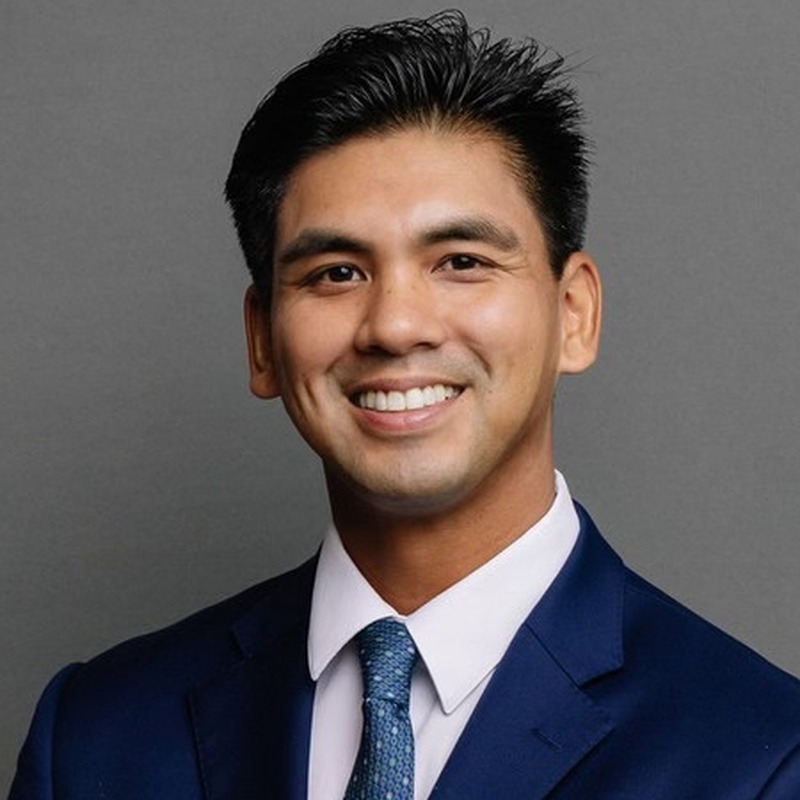
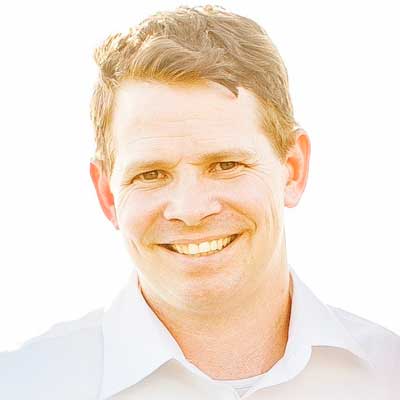
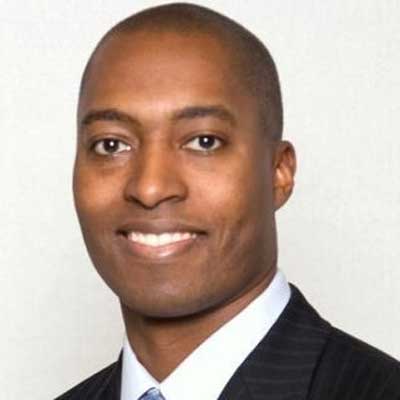
One of these eight people would lead your engagement.
When you decide to sell a dental lab business with CGK, one named senior Managing Director stays with you from the first call through the wire transfer, just like István’s Managing Director stayed with him for five months and then for the engagement that followed. Our Managing Directors come from Wall Street investment banks, hedge funds, Fortune 500 corporate finance, and operating-business leadership. Cornell MBA. U Chicago Booth MBA. CFA. CMT. Naval Academy. Goldman Sachs. Merrill Lynch. Deutsche Bank. AIG. T. Rowe Price.

What sellers say after they sell a dental lab business (and other businesses) with CGK
I could not be happier with the experience I had selling my business with CGK. Greg did a detailed analysis of my business and helped me price and position it right for the market. After receiving multiple offers at full asking price, the rest of the process went very smoothly, and we closed in less than two months.
Hanna M.Selling my business was a once-in-a-lifetime experience, and I’m incredibly grateful to have had Wes by my side throughout the process. He brought perspective, pushed when necessary, and always had my best interests in mind. His experience and strategic approach allowed me to maximize the sale price while minimizing long-term risk and obligations. If I had to do it all over again, I wouldn’t hesitate to choose him as my broker.
Adam NevilleDerik located multiple interested strategic buyers that produced more than one serious offer. The negotiations were tough but Greg and Derik’s experience helped us overcome. We got a great result for our employees and for the owners. We would recommend them without reservation.
Bob TaylorWe sold a business that was 47 years old and being run by second generation within a year of working with Wes. CGK has a system that attracts serious prospects to review opportunities. Wes was able to make the overwhelming feeling of selling easy and to a certain extent enjoyable. I never felt alone or in the dark throughout the entire process.
Jennifer WilliamsWe decided to sell our company in 2025. Talked to another M&A company in the Houston area. We felt very comfortable with Greg and Matthew at CGK. Could not have made a better choice. From day 1 till final closing and even after 30+ days, they have been here helping us with documents and support during the transition. Thanks can not be said enough.
Rickey ThomasInside the Blueprint, on Bloomberg TV and Fox Business News.
István’s daughter Anna, the periodontist in Bethesda, was the one who first sent him a clip of CGK on Bloomberg. She had been listening to a dental industry podcast on a Saturday morning and recognized the firm name from a dental lab trade article about how to sell a dental lab business she had read a few months earlier. She texted her father the link with a note that read “Apa, watch this. This looks like the right firm for the conversation you and Anya keep having.” CGK Business Sales is featured on Inside the Blueprint, the syndicated business television series. Our episode aired on Bloomberg TV and Fox Business News. Watch the segment, then start a confidential conversation.
The CGK office István called was the CGK Washington, DC office. Yours might be one of these.
When you sell a dental lab business with CGK, whichever office you reach, you get the entire firm. István worked with a CGK Managing Director based out of the firm’s Washington, DC office, but his deal benefited from a buyer pool we sourced firm-wide, including the top-tier PE-backed dental lab consolidator that ultimately won the engagement. Click any city to learn about our local presence and the named Managing Director leading that market.
Other Questions István and Other Dental Lab Sellers Ask Us
Practical answers to what comes up before, during, and after the kind of engagement István went through, when you sell a dental lab business with CGK.