
This is Marco’s story.
How to sell a car wash at the right time, to the right buyer, for the right price was the question Marco Aquino-Santos had been turning over in his head for almost six months before he picked up the phone. When the right time came, he called CGK Business Sales. Marco ran a $2.8M revenue, $725K SDE three-location express tunnel car wash chain across Fort Worth, Texas, with the main wash on Hulen Street near Hulen Mall, a second wash on Beach Street in north Fort Worth near Alliance Town Center, and a third wash on McCart Avenue in south Fort Worth near the Hulen Bay shopping district. Fourteen W-2 employees ran the three sites: Marco himself as owner-operator, one operations manager who supervised the multi-site rhythm, four site managers (one resident at each wash plus a floater who covered call-outs and peak-volume Saturdays), and eight line attendants and detailers who rotated across the three locations on a published weekly schedule. The chain was intentionally lean on headcount because every site ran a fully automated Sonny’s Express tunnel, with the labor model sized to greeter, prep-bay, and post-tunnel detailing functions rather than to in-bay washing. The business ran 70 percent on express tunnel exterior wash subscriptions (the recurring-revenue core, roughly 14,000 active monthly members across the three sites at $24.99 to $49.99 tier pricing), 20 percent on single-wash drive-up volume (approximately 38,000 monthly transactional one-time washes at $9 to $19 ticket prices), and the remaining 10 percent on optional add-ons (interior detailing, ceramic coating, tire shine, hot wax) and merchandise (air fresheners, microfiber cloths, retail accessories). The chain ran on the DRB Systems Patheon point-of-sale and subscription management platform across all three sites, with a proprietary loyalty app Marco had built with a third-party developer in 2022 that pushed birthday washes, surprise-day rewards, and tier-upgrade nudges to active subscribers. The chain held a 4.7-star Google rating across more than 1,400 reviews and ran at a measured 96.4 percent uptime against published hours of operation, against an industry average closer to 92 percent. Marco was 47. He had founded the first wash in 2017 right at the front edge of the express tunnel car wash boom, opened the second in 2020 in the middle of a pandemic-driven surge in subscription-wash adoption, and opened the third in 2023 once the subscription book had matured into a defensible operational moat. His wife Ana, a Tarrant County school district administrator, wanted more family time as their two kids moved into middle school. Marco wanted to step into a 12-month transition consulting role and then move into his next venture, a Filipino-American food truck concept he had been quietly mapping with his cousin Carlo, a chef in Houston. He came to us because he did not know who else to talk to about how to sell a car wash at this size, with three sites covering north, central, and south Fort Worth, a 14,000-member subscription book, a proprietary loyalty app, and the operational rhythm he had built across nine years. This page is what happened next, and what could happen for you. Marco is a composite, not a single real CGK seller, but the patterns and details are pulled from real car wash engagements.
The night before Marco decided to sell a car wash.
Most owners who decide to sell a car wash have been sitting with the question quietly for months before they finally reach for the phone. Marco was no different. He was 47. For nine years he had been the owner-operator of a three-site express tunnel car wash chain across Fort Worth, the founder who had personally signed the original ground lease in 2017 on the Hulen Street pad next to Hulen Mall, the operator who had walked the original Sonny’s Express tunnel installation through commissioning and the first one hundred subscription enrollments, and the relationship lead on every key vendor across the chain (Sonny’s for tunnel equipment, DRB Systems for the Patheon point-of-sale and subscription platform, the chemical and detergent supplier, the reverse-osmosis water treatment vendor, and the third-party developer who had built the proprietary loyalty app in 2022). The chain did $2.8 million in annual revenue, $725,000 in Seller’s Discretionary Earnings at the upper end of small-band express car wash norms (driven by the subscription-share concentration, the multi-site geographic moat across north, central, and south Fort Worth, and the proprietary loyalty app retention layer), and a 14-person W-2 team across the three sites. Marco led the chain personally as owner-operator. One operations manager (Diego Reyes, age 39, who had been with Marco since the second site opened in 2020 and who ran the multi-site scheduling, the chemical inventory rhythm, the equipment uptime monitoring, and the daily reconciliation of the DRB Patheon transaction reports) sat under him. Four site managers ran the resident-on-site role at each wash plus a floater who covered call-outs and peak-volume Saturdays, and eight line attendants and detailers rotated across the three locations on a published weekly schedule. Approximately 14,000 active monthly subscription members were on the active book at any given time, plus roughly 38,000 monthly transactional drive-up customers across the three sites. Subscription churn ran at 3.2 percent monthly, against an industry average of 4 to 5 percent, the operational story a sophisticated buyer would underwrite first.
Why owners decide to sell a car wash
The Friday Marco finally submitted the form, his cousin Carlo had stopped by the Hulen Street main location for his usual Friday vacuum-and-wash. Carlo, who had managed the Hulen Street location for the first two years before he moved on to chef work at a restaurant in Houston, still drove up from Houston every other Friday to see family in the Tarrant County Filipino-American small-business community. He had been quietly working on a Filipino-American food truck concept with Marco for almost a year, a shared-ownership venture that would lean on Carlo’s chef instincts and Marco’s operational and marketing playbook from running a multi-site chain. Marco was 47, his wife Ana was a Tarrant County school district administrator, and the two kids (Marco Junior, age 12, and Sofia, age 10) were both moving into middle school in the next eighteen months. Ana had been gentle but consistent in the conversations at the kitchen table over the prior six months: he had built something, the express car wash M&A market in 2025 and 2026 was extraordinarily active, the kids were entering the years that would matter most, and the next thing he wanted to build (the food truck with Carlo) was waiting. Diego Reyes, the operations manager, was 39 and had been with the chain for almost six years. He was committed to staying on post-close if the buyer kept the operational structure intact and ran the three sites under their existing local familiarity. Marco had been approached eleven times in the prior twenty-four months: six times by PE-backed express car wash consolidators headquartered out of Charlotte, Atlanta, Dallas, and a handful of national platforms, three times by regional Texas-based express car wash operators that were expanding their DFW footprint, once by a single-store independent operator who had assembled an SBA package, and once by a private-equity capital partner trying to put together a North Texas express car wash platform play. Marco did not know what his chain was actually worth at $2.8 million revenue and $725,000 SDE, with three sites covering north, central, and south Fort Worth, 14,000 active subscribers, a 3.2 percent monthly churn rate, the proprietary loyalty app, and the Tarrant County Filipino-American small-business community network that had driven his early word-of-mouth growth. He did not know whether the firms calling him were the right buyers for Diego, his four site managers, his eight line attendants, or the brand he had built in Fort Worth. He did not know whether the three-site geographic spread was a value driver or a roll-up integration headache for a buyer. He did not have a single peer in his life who had ever sold an express tunnel car wash chain at this size, subscription depth, and multi-site footprint.
That is the night he found CGK and submitted the form. We called him back at 8:14 the next morning, while Marco was at the Hulen Street main location running the morning chemical-inventory walk with Diego before the 9:00 a.m. weekend rush.
The first call about how to sell a car wash.
The first call was 47 minutes. We did most of the listening.
Owners who think about how to sell a car wash in their late forties, like Marco, usually carry the same handful of pressures into the first call. Marco talked about Diego Reyes, his operations manager, and the way Diego had become the practical lead on the multi-site scheduling, the chemical inventory rhythm, the Sonny’s Express tunnel uptime monitoring across the three sites, and the daily reconciliation of the DRB Patheon transaction reports. He talked about his four site managers, three of whom had been with the chain for more than four years and had been the resident faces of each location. He talked about the eight line attendants and detailers who handled greeter, prep-bay, and post-tunnel detailing across rotating shifts, and the way the floater role had become the safety valve that kept the published weekly schedule honest when someone called out on a Saturday. He talked about the 14,000 active subscription members and the way the recurring-revenue book had become the operational moat that made each site predictable enough to manage from one operations chair across three locations. He talked about the 3.2 percent monthly churn rate against an industry average of 4 to 5 percent, and the way the loyalty app he had built in 2022 with a third-party developer had pushed retention well above where independent express car washes typically land. He talked about the ceramic coating add-on he had introduced in 2023 that became 6 percent of revenue inside eighteen months. He talked about the 4.7-star Google rating across more than 1,400 reviews and the way that review concentration was uneven across the three sites (the Hulen Street site was the highest, the Beach Street site was the lowest, the McCart Avenue site was in the middle). He talked about the 96.4 percent uptime rate across the three sites against an industry average closer to 92 percent. He talked about the Tarrant County Filipino-American small-business community network that had driven his first 1,000 subscribers in 2017 to 2019 and the way Carlo, his cousin who had managed the Hulen Street location for those first two years, was the original connector in that community. He talked about Ana, the kids moving into middle school, and the food truck concept he had been mapping with Carlo for the prior twelve months. We asked about the chain the way you would ask if you were trying to understand it, not the way you would ask if you were trying to win the engagement. What we were listening for was not just the financials. We were listening for whether Marco was actually ready to sell, what he was working toward, and whether his expectations on price were grounded in what the express car wash M&A market would actually support.
At the end of that call, we set up a working session: an in-person conversation where one of our Managing Directors would walk Marco through our valuation model and tell him honestly what his chain was likely to command. We did not promise him a written report. Written valuations involve substantially more work, and we charge for those when a seller actually needs one for partnership buyout, estate planning, a divorce, or another documentary purpose. The walkthrough was free because Marco was clearly thinking seriously about how to sell a car wash, the way someone thinks about it before they actually do it. Whether that ends up being in a year, five years, or longer, we make the same call.
The valuation session was the following Wednesday at 7:15 a.m. at the Hulen Street main location, before the 8:30 a.m. multi-site huddle and after Marco had finished his chemical-inventory walk with Diego.
Marco was not ready to sell a car wash yet. He went home and waited three months.
The valuation session showed Marco that his chain was worth meaningfully more than he had been hoping in some areas and meaningfully less in others, which is how these conversations usually go. The multi-site footprint across north, central, and south Fort Worth (a geographic moat a sophisticated express car wash consolidator treats as a base for further DFW roll-up rather than as three separate carwash operations), the 14,000-member subscription book against a 3.2 percent monthly churn rate, the proprietary loyalty app he had built with the third-party developer in 2022 (rare among independent express car washes at this size), the 4.7-star Google rating across more than 1,400 reviews, the 96.4 percent measured uptime against an industry average closer to 92 percent, the Sonny’s Express tunnel equipment standardization across all three sites, the DRB Systems Patheon point-of-sale and subscription management consistency across the chain, and the nine-year operating history under a single owner-operator were all premium-multiple drivers a sophisticated express car wash consolidator would pay up for. Three issues, though, were dragging the number down. The first was the per-site review concentration variance. The Hulen Street main location carried the bulk of the 1,400-plus Google reviews and the highest star rating, the Beach Street north location had a meaningfully thinner review book and a slightly lower star rating, and the McCart Avenue south location sat in the middle. A buyer’s diligence team was going to underwrite the per-site review variance as a brand-strength concentration risk unless Marco could document the trailing twenty-four months of organic review acquisition velocity at each site and the planned local marketing playbook to bring the Beach Street and McCart Avenue review books into closer parity with Hulen Street. The second was the subscription-cohort retention documentation. Marco knew his blended chain-wide churn rate was 3.2 percent monthly, but he had not built a documented cohort retention curve that broke retention out by enrollment month, by tier ($24.99 base, $34.99 mid, $49.99 unlimited), and by site. A sophisticated PE-backed consolidator’s underwriter was going to pressure-test the cohort retention curve as part of LOI formulation, and an undocumented cohort book was going to land at a thinner multiple than a documented one. The third was the proprietary loyalty app’s intellectual property and ownership posture. Marco had built the app with a third-party developer in 2022, but the original development agreement was light on IP assignment language, and the source-code repository, the AWS hosting credentials, and the iOS and Android store-listing controls were structurally fragmented across Marco, the developer, and a former operations team member. A buyer’s diligence team was going to underwrite the loyalty app concentration as a buyer-side technology-transition risk unless the IP, the source code, the hosting, and the store listings were cleanly consolidated under the chain’s ownership.
We told Marco honestly: he could go to market now and accept the discount, or he could spend three months building a per-site review acquisition narrative that documented the trailing twenty-four months of organic Google review velocity at each site and the planned local-marketing playbook to bring the Beach Street and McCart Avenue review books into closer parity, working with Diego and the third-party developer to formalize the cohort retention curve broken out by enrollment month, by tier, and by site, and walking the original loyalty app development agreement through a clean IP-assignment amendment, a source-code repository transfer to the chain’s account, a consolidation of the AWS hosting credentials, and a transfer of the iOS and Android store-listing controls to the chain’s developer accounts. We said the second path would likely command a meaningfully better number from a wider range of buyers, especially a PE-backed express car wash consolidator with an underwriter that cared about subscription-cohort defensibility, brand-strength parity across multi-site footprints, and proprietary technology IP cleanliness. The realistic buyer pool for a $2.8 million revenue, $725,000 SDE, three-location, 14,000-subscriber, 3.2 percent churn express car wash chain in Fort Worth is concentrated but well-capitalized, but each band of buyer prices the same chain differently, and the cleaner the diligence file is the more buyers can compete. CGK is an active member of the International Business Brokers Association and the M&A Source, both of which give us deep visibility into the active express car wash buyer landscape, and we are in regular dialogue with the International Carwash Association on car wash M&A trends.
This is the part most brokers skip. Most brokers would have signed Marco that day, taken him to market, and made the commission whether or not the deal was the best one for him. We told him to wait, even though it meant we did not get paid for three months and might never get paid at all if he changed his mind.
Marco went home and waited. He spent the next three months working with Diego and the third-party developer to consolidate the loyalty app IP, source code, AWS hosting, and store-listing controls under the chain’s ownership through a clean amendment to the original 2022 development agreement, pulling together a per-site review acquisition narrative that documented twenty-four months of organic Google review velocity at each location, building a documented subscription cohort retention curve broken out by enrollment month, by tier, and by site, formalizing a chemical inventory and Sonny’s tunnel equipment maintenance log binder for buyer diligence, and tightening the DRB Systems Patheon transaction data hygiene across the trailing thirty-six months. He read background material on express car wash M&A through the International Carwash Association and the Western Carwash Association on equipment standards and operational benchmarking. He called us back about three months later and said he was ready to sell a car wash chain that was finally in the shape it needed to be in.
What we did when Marco came back.
What it takes to sell a car wash properly
When an owner is ready to sell a car wash with CGK, the speed of the on-ramp surprises them. We took Marco’s chain to market in just over five weeks once he got us his updated financials, the loyalty app IP-consolidation paperwork, the per-site Google review acquisition narrative across the three locations, the documented subscription cohort retention curve broken out by enrollment month, by tier, and by site, the chemical inventory and Sonny’s tunnel equipment maintenance log binder, the trailing thirty-six months of DRB Systems Patheon transaction data, the per-site uptime measurement against published hours of operation, the per-site daily wash count and average ticket data, the ceramic coating add-on revenue contribution analysis, the per-site lease terms on Hulen Street, Beach Street, and McCart Avenue, the chemical and detergent supplier and reverse-osmosis water treatment vendor terms, the line attendant and site manager pay structure documentation, and the full P&L breakouts across all three sites and across the four revenue streams (subscription, transactional drive-up, add-ons, merchandise). The blind teaser went out to 24 buyers we had pre-qualified, a tighter funnel than other industries because the express car wash M&A buyer pool at this revenue band is structurally concentrated (fewer than fifteen active express car wash platforms operate at this acquisition band in DFW). Buyers fell across four buckets we routinely use to think about how to sell a car wash: PE-backed express car wash consolidators (active across Charlotte, Atlanta, Dallas, and a handful of national platforms operating like Whistle Express Car Wash, Mister Car Wash, Driven Brands’ Take 5 Car Wash, and Tommy’s Express tier, typically running multi-state roll-up theses with central marketing, IT, finance, and procurement support, usually pricing on a 7x to 8.5x SDE band on diligence-clean small-band chains with documented subscription cohort retention, per-site brand-strength parity, and proprietary technology IP cleanliness, and operating acquired sites under the platform’s national brand banner because rebranding is part of the integration playbook for express car wash), regional Texas express car wash operators (privately held, often family-owned, expanding their North Texas footprint through targeted acquisitions and typically operating acquired sites under their original brand names with central marketing and procurement support, usually pricing on a 6.5x to 7.5x SDE band with stronger employee continuity than PE buyers), national express car wash platforms running long-hold theses (the largest band by deal volume, typically rebranding to a single national identity within twelve to eighteen months and absorbing acquired sites into a single operating playbook), and individual operator buyers running SBA-financed acquisitions (the rarest buyer pool at this band because the SDE size pushes the deal value above SBA capacity for a three-site chain, typically focused on single-site acquisitions). Each bucket prices the same chain differently.
Nineteen of the twenty-four buyers signed NDAs and received the full Confidential Information Memorandum. Twelve submitted Indications of Interest after data-room review. Seven advanced to Letters of Intent. We narrowed to four for management presentations. Three re-submitted refined LOIs after the management meetings. Two went into a final-final negotiation cycle.
Marco decided between the top two LOIs. They were materially different. One was a slightly higher headline price from a national express car wash platform with roughly $1.2 billion in revenue across more than 350 sites, where the three Fort Worth sites would absorb into the platform’s central operating playbook within ninety days, the local Aquino-Santos brand identity would close at acquisition (the platform operated all acquired sites under a single national identity), Marco would transition to a six-month strategic-advisor role with no continuing site-facing involvement, Diego Reyes would absorb under the platform’s standardized regional-operations comp model (which sat below the comp model Marco had built), and the four site managers and eight line attendants and detailers would absorb under a different operations and scheduling platform that would meaningfully reduce the local autonomy each of the site managers currently operated with. The other was a slightly lower headline price from a PE-backed express car wash consolidator with approximately $840 million in revenue across more than 280 sites, expanding their North Texas footprint with Marco’s three Fort Worth sites as the Tarrant County anchor and the base for further DFW roll-up, with a long-hold thesis (10-plus years, positioning for a 2030+ second-bite or strategic exit). Under that LOI, the three sites would rebrand under the platform’s national banner during integration (rebranding is part of the integration playbook for express car wash, unlike many other industries), but the geographic identity, the published hours of operation, the subscription book, the loyalty app architecture, and the existing pricing tier structure would all be preserved through the integration window, the 14-person W-2 team would stay employed across the three sites, Diego Reyes would absorb at or above his existing comp under the consolidator’s regional-operations compensation framework with a formal title as the post-close Tarrant County area operations director and a three-year stay arrangement, the four site managers and eight line attendants and detailers would retain their roles and pay structure, the DRB Systems Patheon point-of-sale and subscription management platform would be retained for the three Fort Worth sites through an 18-month integration window, the proprietary loyalty app would integrate with the consolidator’s national subscription platform on a managed timeline rather than a forced migration, the Sonny’s Express tunnel equipment would be retained, and Marco would step into a 12-month transition consulting role at three days per week before stepping fully out to launch the food truck concept with Carlo. We walked Marco through what each LOI would actually deliver under realistic and pessimistic scenarios, including what the operational continuity would look like for Diego, his four site managers, his eight line attendants and detailers, and the 14,000 subscriber book under each acquisition structure. The PE-backed consolidator deal was the better one for Marco. The 12-month transition consulting role gave him the structural off-ramp he needed to launch the food truck concept with Carlo on his own timeline. The team preservation kept Diego, his site managers, and his line attendants in the roles they had earned. The DRB Patheon, Sonny’s Express equipment, and loyalty app preservation through the integration window kept the daily operational rhythm intact through the rebranding cycle.
Through the whole process, the same CGK Managing Director who had taken Marco’s first call three months earlier was the person walking him through every conversation.
The deal Marco took to sell a car wash.
How the deal looks when you sell a car wash with CGK
This is the part of how to sell a car wash that gets the least attention in the trade press and the most attention from owners who have actually closed a transaction: the structure of the consideration package matters more than the headline number, and the structure for a multi-site express tunnel chain with a deep subscription book and a proprietary loyalty app is meaningfully different from the structure typical of every other industry CGK works in. Marco’s deal closed roughly six months after we restarted the engagement, the middle of the typical CGK car wash window because express car wash M&A involves real-property review on each site lease, environmental walk-throughs on the reverse-osmosis water treatment systems and the chemical handling at each tunnel, transfer of the Sonny’s Express tunnel equipment service agreements, transfer of the DRB Systems Patheon point-of-sale and subscription management licenses, formal IP transfer on the loyalty app source code and store listings, transfer of approximately 14,000 active subscription billing relationships under the consolidator’s payment processing rails, change-of-control consents on chemical and detergent supplier agreements, change-of-control consents on the reverse-osmosis water treatment vendor, and a more involved pre-close due diligence cycle on the per-site equipment uptime history and the subscription cohort retention curve than typical small-band industry M&A. The buyer was the PE-backed express car wash consolidator with approximately $840 million in revenue across more than 280 sites, expanding its North Texas footprint with Marco’s three Fort Worth sites as the Tarrant County anchor and the base for further DFW roll-up, operating on a 10-plus year long-hold thesis with a 2030+ second-bite or strategic exit horizon. The acquisition structure was an asset purchase rather than a stock purchase: the three sites folded into the consolidator at close, the 14-person W-2 team stayed employed across the three locations, Diego Reyes absorbed at or above his existing comp with a formal title as the post-close Tarrant County area operations director and a three-year stay arrangement, the four site managers and eight line attendants and detailers retained their roles and pay structure, the DRB Systems Patheon platform was retained through an 18-month integration window, the proprietary loyalty app integrated with the consolidator’s national subscription platform on a managed timeline, the Sonny’s Express tunnel equipment was retained, and Marco transitioned to a 12-month transition consulting role at three days per week.
The total deal economic value was approximately $5.4 million, roughly 7.5 times trailing SDE, a premium small-band express car wash multiple driven by the 14,000-member subscription book, the 3.2 percent monthly churn rate, the proprietary loyalty app, the three-location geographic moat across north, central, and south Fort Worth, the Sonny’s Express tunnel equipment standardization across all three sites, the 96.4 percent measured uptime against an industry average closer to 92 percent, the 4.7-star Google rating across more than 1,400 reviews, the ceramic coating add-on revenue contribution that had become 6 percent of revenue inside eighteen months, the nine-year operating history under a single owner-operator, and the documented subscription cohort retention curve and per-site brand-strength parity narrative Marco had built during the wait period. About 78 percent of it came as cash at closing, in line with what a sophisticated PE-backed express car wash consolidator typically structures on a multi-site small-band chain. About 9 percent was held back in escrow for 12 months, a standard escrow window because the express car wash subscription billing reconciliation cycle and the Sonny’s Express tunnel equipment service-agreement transition both fall comfortably inside a twelve-month window. The remaining 13 percent was a rollover-as-equity stake into the consolidator’s holding company, with Marco’s existing equity converting into the consolidator’s holding-company partnership interests on a vesting schedule tied to his continued 12-month transition consulting involvement. The numbers add up to one hundred. Wire hit on a Friday morning at 10:42 a.m. while Marco was at the Hulen Street main location finishing the morning chemical-inventory walk with Diego.
Marco stayed on as a transition consultant for the consolidator’s North Texas region for twelve months after closing, three days per week, so he could personally introduce each of the three site managers to the consolidator’s regional-operations team, walk Diego through the consolidator’s central marketing, IT, finance, and procurement playbook for express car wash, oversee the integration of the DRB Systems Patheon platform into the consolidator’s national subscription rails on a managed timeline, oversee the integration of the proprietary loyalty app into the consolidator’s national subscription platform, and shape the consolidator’s North Texas expansion strategy across two adjacent DFW sites the consolidator was actively in conversation with in Arlington and southwest Fort Worth. After twelve months, Marco stepped fully out of the express car wash chain to launch the Filipino-American food truck concept with Carlo in Houston, with the rollover-as-equity stake in the consolidator’s holding company continuing to vest on a multi-year schedule tied to the platform’s overall performance.
What happened to Marco’s people and his subscribers.
The people-side of how to sell a car wash usually weighs heavier on the founding owner-operator than the financial-side, even when the financial-side is what triggers the call to a broker in the first place. Marco cared most about Diego Reyes, his operations manager, his four site managers (the Hulen Street resident manager, the Beach Street resident manager, the McCart Avenue resident manager, and the floater who covered call-outs and peak-volume Saturdays), his eight line attendants and detailers who rotated across the three sites on a published weekly schedule, and Carlo, his cousin who had managed the Hulen Street location for the first two years and who had been the original connector in the Tarrant County Filipino-American small-business community. He also cared about the subscriber book: roughly 14,000 active monthly subscribers across the three sites, the 38,000 monthly transactional drive-up customers who had built the per-site Google review books over nine years, the 4.7-star Google rating across more than 1,400 reviews, and the loyalty app users who had received birthday washes, surprise-day rewards, and tier-upgrade nudges through the app he had built with the third-party developer in 2022. The PE-backed consolidator buyer was a long-hold operator that intended to actually preserve the operational rhythm of the three Fort Worth sites through the rebrand, even though rebranding under the consolidator’s national banner was part of the integration playbook for express car wash. That made the people part substantially cleaner than it would have been under the higher-headline-price national platform deal that wanted to absorb the chain into a single national operating playbook within ninety days.
The buyer kept all 14 W-2 employees, honored the existing pay structure across operations manager, site managers, line attendants, and detailers, and committed to keeping Diego Reyes running the multi-site rhythm as the new Tarrant County area operations director, the four site managers continuing in their resident-on-site roles at Hulen Street, Beach Street, and McCart Avenue with the floater continuing to cover call-outs and peak-volume Saturdays, and the eight line attendants and detailers continuing on the rotating weekly schedule across the three sites. Diego’s three-year stay arrangement was preserved with a formal employment agreement at or above the existing comp model. The 14,000-member subscription book transferred under the consolidator’s national subscription platform on a managed timeline rather than a forced migration, which kept the subscriber experience continuous through the rebrand. The DRB Systems Patheon point-of-sale and subscription management platform was retained for the three Fort Worth sites through an 18-month integration window before any consolidation onto the consolidator’s enterprise stack. The proprietary loyalty app integrated with the consolidator’s national subscription platform on a managed timeline, with the IP, source code, AWS hosting credentials, and iOS and Android store-listing controls (cleanly consolidated under the chain’s ownership during Marco’s three-month wait period) transferring under formal IP-assignment language inside the asset purchase. The Sonny’s Express tunnel equipment service agreements transferred under the consolidator’s national vendor framework. The chemical and detergent supplier and reverse-osmosis water treatment vendor agreements transferred under the consolidator’s national procurement umbrella with consolidated pricing. The per-site real-property leases on Hulen Street, Beach Street, and McCart Avenue transferred cleanly under the consolidator’s real-estate group. The Tarrant County Filipino-American small-business community network, the daily and weekly subscriber rhythm, and the local familiarity of each of the three sites all stayed intact because the team and the equipment and the operational rhythm stayed in place.
Marco was at the Hulen Street main location on a Friday morning when the wire confirmation came through. Express car wash closings often happen at the end of the week to coincide with weekend volume cycles. He walked across the lot to the second-bay vacuum station, where Carlo (the cousin who had managed the Hulen Street location for the first two years and who still came by every other Friday for a free wash) was vacuuming his Honda Civic. Marco said in Tagalog: “Tapos na, pinsan.” It is done, cousin. Carlo did not stop vacuuming. He said, in the matter-of-fact voice of a chef who had already moved past the moment: “Tapos. Bukas, food truck.” It is done. Tomorrow, the food truck. Marco laughed, took the vacuum hose from his cousin’s hand for a minute, and finished the driver’s side himself. Then the two of them sat on the back of Carlo’s Civic in the Hulen Street parking lot, drank coffee from the gas station next door, and started actually mapping the food truck week by week for the first time. Diego came out of the equipment room at one point and waved at them across the lot. Marco waved back, and Carlo nodded, and that was the morning.
What Marco told us afterward.
Why owners who sell a car wash with CGK keep coming back
Most owners who sell a car wash do not call the broker again in the first year. The ones who do call usually want to talk about the parts of the engagement that, in retrospect, mattered more than they realized at the time. About six months after closing, Marco called the Managing Director who had run his engagement. He said two things that the Managing Director still tells new sellers about.
The first was about the three-month wait. He said: “Three of the buyers who had been calling me were ready to sign LOIs in thirty days, and two different car wash M&A consultants I had talked to before you told me they could take me to market right then with the loyalty app IP still split between me, the developer, and a former operations team member, and with the per-site review variance still undocumented. The reason I sold with you is that you told me the truth about how my three-site footprint, my 14,000-subscriber book, my 3.2 percent churn rate, and my proprietary loyalty app were actually being valued by a sophisticated PE-backed express car wash consolidator underwriter, the truth about what the loyalty app IP cleanup would buy me in LOI conversations three months later, and the truth about what the documented cohort retention curve would buy me in management-presentation conversations. You told me what would happen to the price if I went out without fixing those things. I would have left more than half a million dollars on the table, and Diego would have folded into a worse comp tier under a different operator, and my site managers would have absorbed under a buyer with a tighter rebrand-and-integrate timeline.”
The second was about who he sold to. He said: “I almost signed with the higher-headline-price national platform because the number on the top line was bigger and they told me they could close in seventy-five days. The fact that you walked me through what each buyer would actually do with Diego, my four site managers, my eight line attendants and detailers, the three sites I had built across nine years, and the loyalty app I had spent three years building with the third-party developer, what each buyer’s brand-and-equipment integration thesis would mean for the subscriber experience three and five years out, and how a PE-backed consolidator with a managed-integration thesis was structurally different from a national platform with a ninety-day full-absorption thesis, is a conversation I never even thought to have until you raised it. I sold to a buyer who is actually going to keep the operational rhythm and the equipment intact through the rebrand, and the 12-month transition consulting role you negotiated is what is letting me launch the food truck with Carlo on my own timeline. That was not on the original LOI. You pushed for it.”
This is what we mean when we say we sit with you in the decision, not just the transaction. Marco is one composite story, but the pattern is real. The owners we work with who decide to sell a car wash usually find their way to us through versions of Marco’s situation, and the relationships start with a long listening session and a free walkthrough, not a pitch.
Ready to sell a car wash? Where are you in Marco’s story?
If you are starting to think about how to sell a car wash, we should talk. There is no commitment and no pressure. The first conversation is free. The valuation walkthrough that follows is free when you are seriously thinking about selling, whether that is in a year, five years, or longer. We only charge for formal written valuations, and only when you actually need one for a partnership buyout, estate planning, or another documentary purpose. Submit the form and a senior CGK Managing Director will reach out within one business day.
If you are Marco at month 1: just exploring
You are not sure if you want to sell yet. The express car wash M&A landscape keeps shifting, your subscription cohort retention is meaningful but undocumented, your per-site brand-strength variance is unexplained, your loyalty app IP, source code, hosting credentials, and store listings are scattered, your Sonny’s Express tunnel equipment maintenance log binder is incomplete, your DRB Systems Patheon transaction data hygiene is uneven, nine years of running the chain is starting to tell you something, your kids are entering middle school, you are curious about how a buyer would value your subscription book versus your transactional drive-up volume or your add-on and merchandise mix, or maybe a PE-backed express car wash consolidator or a national express car wash platform has been calling you. Most of our best engagements start here. Submit the form and we will schedule a working session. You walk away with a real number and a clear sense of what to do next, with no obligation to do anything.
If you are Marco at month 3: ready to go
You have done the work to clean up the chain. The financials are tight. Your loyalty app IP, source code, AWS hosting, and iOS and Android store-listing controls are consolidated under the chain’s ownership through a clean amendment to the original development agreement. Your per-site Google review acquisition narrative across each location is documented for the trailing twenty-four months. Your subscription cohort retention curve is broken out by enrollment month, by tier, and by site. Your Sonny’s Express tunnel equipment maintenance log binder is buyer-grade. Your chemical and detergent supplier and reverse-osmosis water treatment vendor agreements are documented. Your DRB Systems Patheon transaction data is pulled into a buyer-grade report for the trailing thirty-six months. Your operations manager and site manager succession plan is named and pre-negotiated. Maybe a buyer is already in the conversation. You want to run a real process. Submit the form and we will be in touch within a business day to talk about timing, scope, and what your first 30 days as a CGK seller would look like.
If you are not sure where you are
Most owners are not sure. Submit the form and start with the conversation. We will figure out together where you are. We are equally happy to tell you to wait twelve months as we are to take you to market in five weeks.
Or call us directly at (888) 858-7191.
Start your own story
A senior CGK Managing Director will respond within one business day. Strictly confidential. For owners of car washes doing $1.5M+ in annual revenue, including express tunnel exterior wash chains, single-site full-service car washes, in-bay automatic car wash operators, and self-serve car wash operators. The first conversation and the valuation walkthrough that follows are free for any seller seriously thinking about selling, on any horizon.
Confidential. No obligation. Direct routing to a named CGK business broker, not a junior screener.
One of these eight people would lead your engagement.
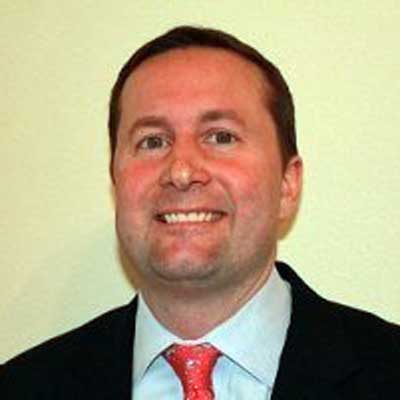
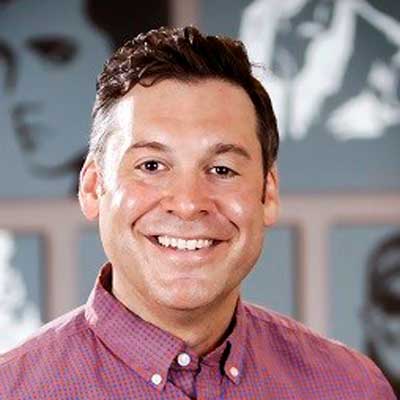
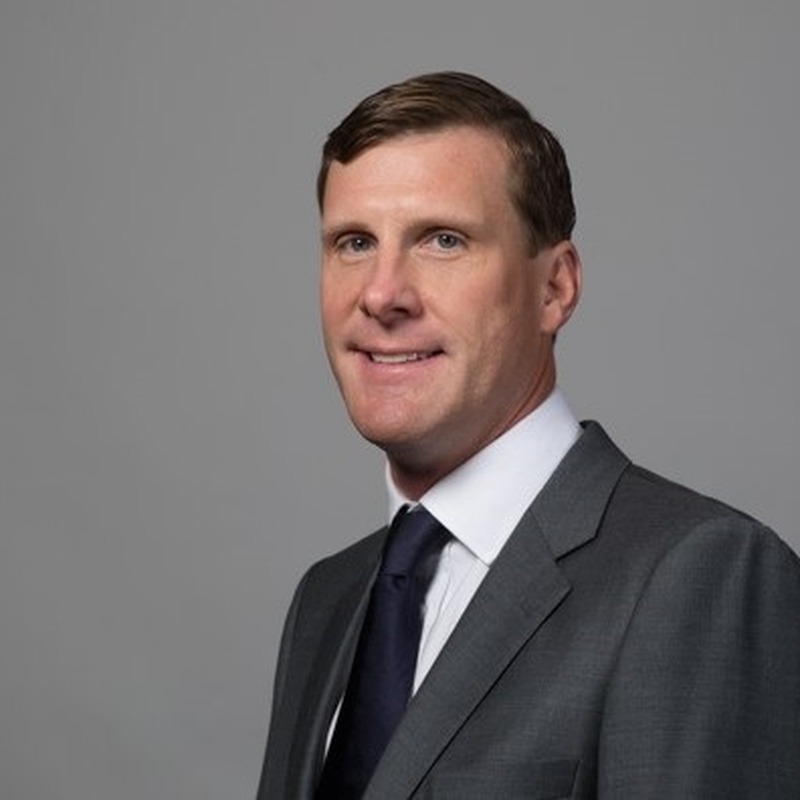
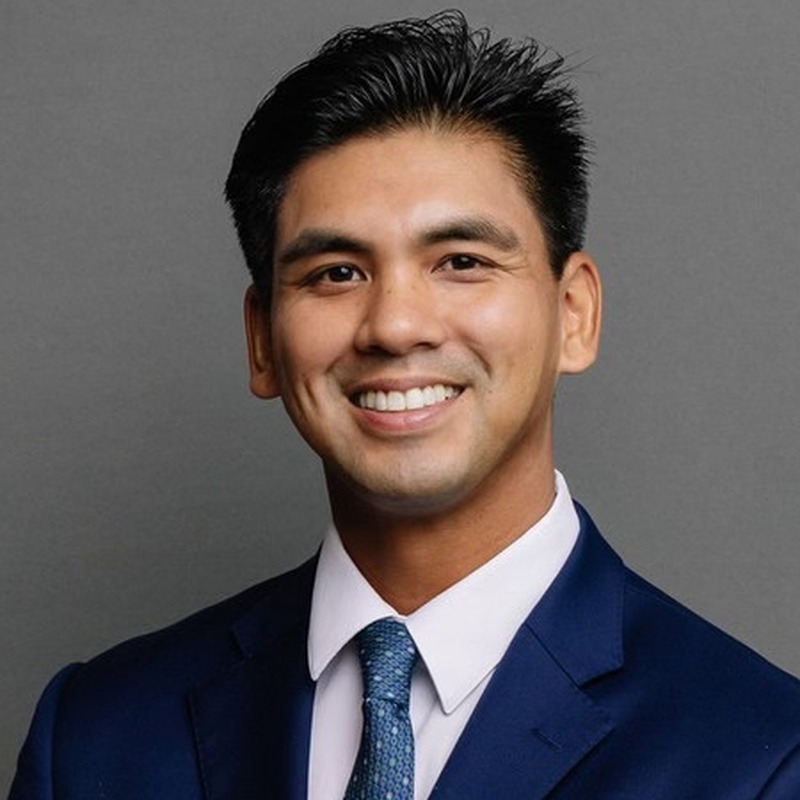
When you decide to sell a car wash with CGK, one named senior Managing Director stays with you from the first call through the wire transfer, just like Marco’s Managing Director stayed with him for three months and then for the engagement that followed. Our Managing Directors come from Wall Street investment banks, hedge funds, Fortune 500 corporate finance, and operating-business leadership. Cornell MBA. U Chicago Booth MBA. CFA. CMT. Naval Academy. Goldman Sachs. Merrill Lynch. Deutsche Bank. AIG. T. Rowe Price.

What sellers say after they sell a car wash (and other businesses) with CGK
I could not be happier with the experience I had selling my business with CGK. Greg did a detailed analysis of my business and helped me price and position it right for the market. After receiving multiple offers at full asking price, the rest of the process went very smoothly, and we closed in less than two months.
Hanna M.Selling my business was a once-in-a-lifetime experience, and I’m incredibly grateful to have had Wes by my side throughout the process. He brought perspective, pushed when necessary, and always had my best interests in mind. His experience and strategic approach allowed me to maximize the sale price while minimizing long-term risk and obligations. If I had to do it all over again, I wouldn’t hesitate to choose him as my broker.
Adam NevilleDerik located multiple interested strategic buyers that produced more than one serious offer. The negotiations were tough but Greg and Derik’s experience helped us overcome. We got a great result for our employees and for the owners. We would recommend them without reservation.
Bob TaylorWe sold a business that was 47 years old and being run by second generation within a year of working with Wes. CGK has a system that attracts serious prospects to review opportunities. Wes was able to make the overwhelming feeling of selling easy and to a certain extent enjoyable. I never felt alone or in the dark throughout the entire process.
Jennifer WilliamsWe decided to sell our company in 2025. Talked to another M&A company in the Houston area. We felt very comfortable with Greg and Matthew at CGK. Could not have made a better choice. From day 1 till final closing and even after 30+ days, they have been here helping us with documents and support during the transition. Thanks can not be said enough.
Rickey ThomasInside the Blueprint, on Bloomberg TV and Fox Business News.
Marco’s wife Ana, the Tarrant County school district administrator, was the one who first sent him a clip of CGK on Bloomberg. She had been watching the segment in the kitchen on a Sunday morning while the kids were doing homework, and she recognized the firm name from a small-business trade article about how to sell a car wash that Marco had read a few months earlier. She texted him the link with a note that read “Look at this. This is the firm. Same one from your trade article.” CGK Business Sales is featured on Inside the Blueprint, the syndicated business television series. Our episode aired on Bloomberg TV and Fox Business News. Watch the segment, then start a confidential conversation.
The CGK office Marco called was the CGK Dallas office. Yours might be one of these.
When you sell a car wash with CGK, whichever office you reach, you get the entire firm. Marco worked with a CGK Managing Director based out of the firm’s Dallas office covering the broader DFW metro, but his deal benefited from a buyer pool we sourced firm-wide, including the PE-backed express car wash consolidator that ultimately won the engagement and is now using the three Fort Worth sites as its Tarrant County anchor and the base for further DFW roll-up. Click any city to learn about our local presence and the named Managing Director leading that market.
Other Questions Marco and Other Car Wash Sellers Ask Us
Practical answers to what comes up before, during, and after the kind of engagement Marco went through, when you sell a car wash with CGK.